Will A Cracked Windshield Pass Inspection In Va
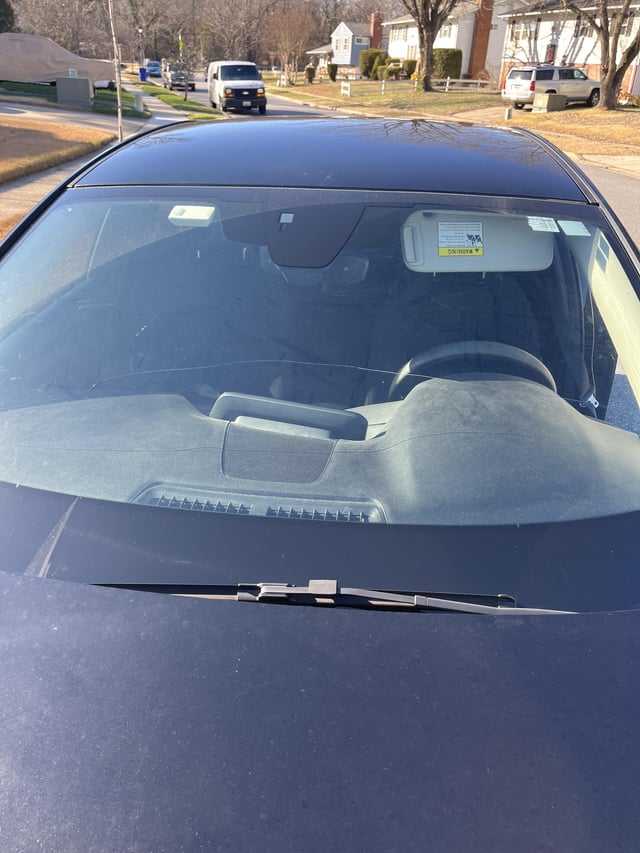
Yes, a cracked windshield may still pass inspection in Virginia, depending on the size and location of the crack. Small chips or cracks that do not impair the driver’s view and are not in critical areas might be overlooked during inspection. However, larger or more prominent cracks are likely to cause the vehicle to fail.
In Virginia, the inspection process primarily focuses on safety and roadworthiness rather than cosmetic issues, but a cracked windshield can still be a red flag if it compromises safety. If your windshield has a minor crack, it might not prevent your vehicle from passing, but for larger or obstructive damage, repairs are recommended to ensure compliance and safety. Keep in mind that laws and inspection standards can change, so it’s best to stay updated on current regulations or consult a professional.
Cracked windshields are a common concern for drivers wanting to keep their vehicles road-ready. Knowing whether a crack will cause you to fail your Virginia inspection can save time and stress. While minor chips and small cracks might be tolerated, any damage that affects your safety or visibility could lead to a failed inspection, requiring repairs before passing the state’s requirements. Staying informed about what the inspection standards entail will help you maintain your vehicle and avoid surprises on inspection day.

Will a Cracked Windshield Pass Inspection in VA? Everything You Need to Know
Understanding Virginia Vehicle Inspection Rules
To determine if a cracked windshield will pass inspection in VA, you first need to understand the state’s vehicle inspection laws. Virginia requires vehicles to undergo safety inspections to ensure they meet safety standards before registration renewal. The inspection covers various aspects of the vehicle, including brakes, lights, and glass. However, the rules about cracks in windshields are quite specific and depend on their size, location, and severity.
Severity of Cracks and Their Impact on Inspection
Cracks in the windshield are a common issue for many drivers. Not all cracks automatically mean your vehicle will fail inspection. Minor chips or small cracks, especially those less than 1/4 inch, often do not prevent passing. Larger cracks or those that obstruct the driver’s line of sight typically lead to inspection failure. The critical point is the *size* and *location* of the crack.
Size Limitations for Windshield Cracks in VA
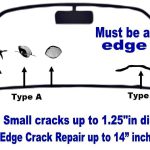
Virginia’s inspection standards specify that cracks should not be larger than 3/4 inch in diameter. Cracks exceeding this size are usually reasons to fail the inspection. Small chips or cracks under this limit, especially if they are not in the driver’s direct view, may be considered acceptable. It’s essential to measure crack size precisely and consider repair options if necessary.
What About Multiple Cracks or Chips?
Multiple small cracks or chips can be problematic if they aggregate to create significant visibility issues or structural concerns. The inspector assesses whether the cracks compromise the windshield’s integrity or obstruct your view.
Location Matters: Where Cracks Are in the Windshield
Where the crack is located on the windshield greatly influences whether it will pass inspection.
- Driver’s Line of Sight: Cracks in this area are more likely to cause failure, especially if they impair visibility.
- Edges of the Windshield: Cracks near the edges can weaken the overall structure and often lead to failure.
- Across the Entire Glass: Cracks spanning large portions of the windshield are concerns for safety and usually result in a failed inspection.
Safety Concerns Related to Windshield Cracks
The primary reason for strict rules on cracked windshields is safety. Cracks can weaken the glass, increasing the risk of shattering during an accident. Even small cracks can grow over time, especially with temperature changes and vibrations.
Potential Risks of Ignoring Cracks
Ignoring small cracks may lead to more significant damage later. The crack could spread, causing unexpected failure when you are driving. Repairing the crack promptly can save you from costly replacements and inspection failures.
Repair vs. Replacement: What Does VA Recommend?
In VA, minor cracks and chips are often repairable without needing a full windshield replacement. Repair kits are available for small cracks, but professional repair is recommended for a durable and safe fix.
- Minor Chips: Usually repairable if less than 1/4 inch and not in the driver’s line of sight.
- Cracks Larger than 3/4 Inch: Require replacement to pass inspection.
- Multiple Small Cracks: May need comprehensive evaluation to determine if repair or replacement is necessary.
How to Prepare Your Windshield for Inspection
Proper preparation can improve your chances of passing inspection. Cleaning your windshield thoroughly ensures inspector can see any cracks clearly. If repairs are needed, getting them done before the inspection can help avoid failure.
DIY Repair Tips
For small cracks or chips, you can attempt DIY repair kits. Follow instructions carefully to fill in cracks. However, for larger or more complex damage, professional repair is safer and more effective.
Cost of Repair or Replacement in VA
Repair costs are generally less than full replacement. Small crack repairs can cost between $50 and $150. Replacing a windshield may range from $200 to $500 depending on vehicle make and model. Weighing repair versus replacement depends on crack severity and location.
Legal Consequences of Driving with a Damaged Windshield
Driving with a cracked windshield that fails inspection can lead to fines or citations. It is illegal to operate a vehicle with a windshield that does not meet safety standards. Regular inspections help ensure you stay compliant with Virginia laws.
Summary of Key Points
- Cracks less than 3/4 inch and not in the driver’s line of sight are often acceptable.
- Cracks near edges or spanning large areas usually cause failure.
- Timely repair can prevent safety risks and inspection failure.
- Professional repair or replacement is recommended for extensive damage.
- Proper windshield maintenance keeps your vehicle compliant with VA regulations.
Additional Related Topics
In addition to inspection rules, consider learning about:
- How to choose a reliable windshield repair service in VA
- Signs your windshield needs urgent replacement
- Understanding insurance coverage for windshield repairs and replacements
Knowing the rules and proper care for your windshield helps ensure your vehicle remains safe and compliant during inspections. Addressing cracks early can save money and keep your car roadworthy for years to come.
When Will A Cracked Windshield Pass? | Standard Safety Inspection – Body
Frequently Asked Questions
What types of windshield cracks are acceptable for passing inspection in Virginia?
In Virginia, a cracked windshield can still pass inspection if the damage is minimal. Typically, small chips or cracks that are less than 1/4 inch in diameter and not located directly in the driver’s line of sight are acceptable. Cracks that do not interfere with safe operation of the vehicle, such as those located on the edges or in areas that do not impair visibility, are often permitted. However, larger or more prominent cracks may fail the inspection due to safety concerns.
Can a crack in the windshield affect the vehicle’s safety during inspection?
Yes, a crack in the windshield can impact safety, and inspectors assess whether the damage compromises the structural integrity of the glass. If the crack is deep or expands over time, it could weaken the windshield’s ability to withstand impact, especially during accidents. Inspectors check for cracks that could potentially distract the driver or impair visibility, leading to failure if the damage is deemed a safety hazard.
Are repairs to a cracked windshield recognized by Virginia inspection standards?
Virginia allows repairs to a cracked windshield if the damage meets certain criteria and the repair is properly performed. Repairing small chips or cracks can prevent further spreading and help the windshield pass inspection. However, if the crack is large, extensive, or already affecting the visibility or safety, the vehicle might need a full replacement to meet state standards.
What steps should I take if my windshield crack is borderline for inspection standards?
If your crack is close to the size or location limits, consider consulting a professional to evaluate whether the damage can be repaired. Prompt repairs can prevent the crack from worsening and increase the likelihood of passing inspection. Keep in mind that some repair shops can provide documentation confirming the damage was addressed, which may be helpful if an inspection inspector needs to assess the vehicle.
How does the location of a crack influence its impact on passing an inspection in Virginia?
The placement of the crack plays a significant role in passing inspection. Cracks located on the driver’s side or in the direct line of sight usually result in failure, even if they are small. Conversely, cracks on the edges or in areas outside the driver’s primary view may be acceptable, provided they do not compromise the windshield’s strength or lead to further damage. Inspectors carefully evaluate whether the crack obstructs visibility or presents a safety concern.
Final Thoughts
A cracked windshield can be a safety concern, but small chips or cracks might still pass inspection in VA. The state’s regulations focus on the crack’s size, location, and impact on visibility. If the crack is minor and doesn’t obstruct the driver’s view, it often won’t prevent passing inspection.

Similar Posts