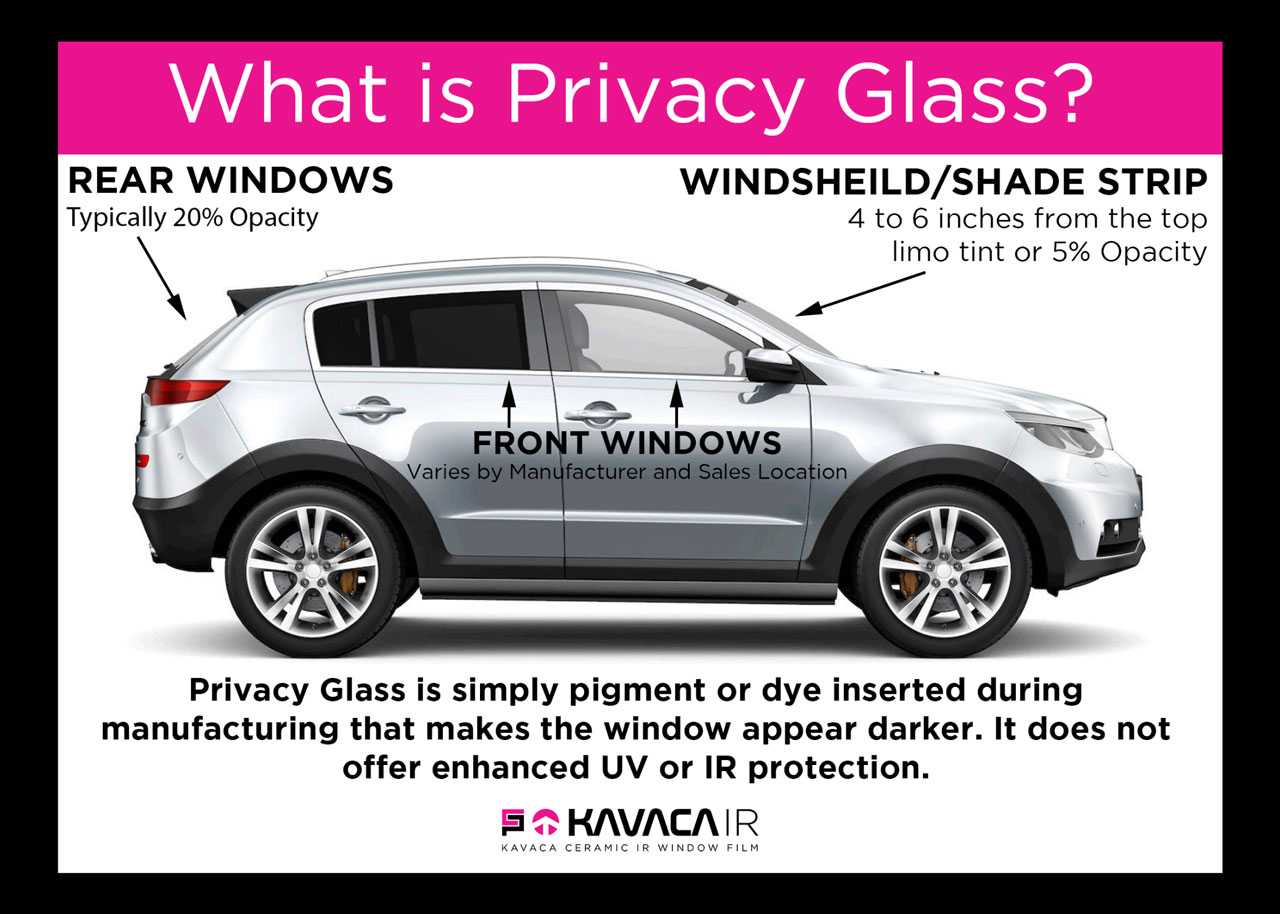
The best car window tint for privacy is usually a dark, high-quality film that keeps prying eyes out while still letting in natural light. For maximum privacy, choosing a tint with a higher percentage of darkness, such as 20% or lower, is ideal. It not only shields your personal space but also offers added protection from UV rays and reduces glare.
In short, the top choice for car window tinting to boost privacy is a premium, legal dark film like 20% or lower VLT (Visible Light Transmission). These tints effectively block out outside view while maintaining good visibility from inside the vehicle, creating a private sanctuary on wheels.
If you’re concerned about privacy on the road, selecting the right window tint can make all the difference. With the right film, your car becomes a private retreat, shielding your belongings and personal moments from curious onlookers. But with so many options available, it’s important to understand what makes a tint the best for privacy, legality, and comfort. From reflective coatings to dyed and ceramic films, each type offers different advantages. By choosing the appropriate darkness level and quality, you can enjoy a more secure and stylish vehicle without running afoul of local laws.

Best Car Window Tint for Privacy
Choosing the best window tint for privacy is an important decision for many car owners. It helps keep prying eyes away and adds a layer of security to your vehicle. But with so many tint options available, knowing which one offers the right balance of privacy and legality can be tricky.
This section dives deep into the types of tints that provide the most privacy while still complying with laws. Understanding the differences between various tint shades and materials will help you make the best choice for your needs.
Understanding the Different Types of Car Window Tints
There are several types of window tint films available, each offering varying degrees of privacy. These include dyed, metallic, carbon, ceramic, and hybrid films. Each type has unique features that influence visibility, durability, and heat rejection.
Dyed films are the most affordable and provide a dark appearance, making them popular for privacy. Metallic tints contain tiny metal particles that reflect sunlight and reduce visibility from outside. Carbon and ceramic options offer enhanced privacy along with better heat rejection capabilities.
Importance of Film Darkness and Shade
The darkness of a tint film is measured by its Visible Light Transmission (VLT%) value. The lower the VLT%, the darker the tint, and the higher the privacy. For example, a tint with a 5% VLT% is almost opaque and provides maximum privacy.
States and countries have legal limits on VLT% for front and rear windows. Usually, front side windows must allow more light, often around 70% VLT%, while rear windows can go darker for better privacy.
Selecting a tint shade that balances privacy with legal compliance is crucial. You want it dark enough for privacy but not so dark that it results in fines or safety issues.
Legal Regulations for Car Window Tints
Each region has specific laws about how dark your tint can be. Typically, these laws specify minimum VLT% levels for different windows. Violating these laws can lead to fines or the requirement to remove the tint.
Check your local DMV or transportation authority for the exact regulations. Some areas also restrict the use of reflective or metallic tints on certain windows.
Always choose a tint that meets or exceeds these legal standards to avoid issues during inspections or traffic stops.
Advantages of Tints Offering Maximum Privacy
Dark tints provide excellent privacy, making it difficult for outsiders to see inside your vehicle. They also hide valuables from view, reducing the risk of theft.
Additionally, privacy tints help reduce glare from the sun and headlights, improving driving comfort. They contribute to a sense of security, especially when parked in unfamiliar or high-crime areas.
Choosing the right level of darkness ensures you enjoy these benefits without breaking the law or compromising visibility.
Materials That Enhance Privacy and Durability
Materials such as carbon and ceramic provide high privacy levels due to their opacity and dark appearance. They also boast increased durability, resisting fading and bubbling over time.
Dyed films, while budget-friendly, may fade faster and are less durable but still offer good privacy. Metallic films, though reflective, may interfere with electronic signals like GPS and radio reception.
Opting for high-quality materials ensures your tint maintains its privacy and appearance over many years.
Privacy Tint Options and Their Effectiveness
5% VLT film: Offers the highest privacy, almost opaque. Ideal for rear windows and side windows for maximum concealment.
20% VLT film: Provides a good level of privacy while still allowing some visibility during the day.
35% VLT film: Slightly lighter, offering moderate privacy suitable for front side windows.
The choice depends on your privacy needs, budget, and local laws.
Additional Features for Better Privacy and Functionality
Some window tints come with extra features like infrared rejection, UV protection, and glare reduction. These enhance privacy by limiting what outsiders can see and improve comfort inside the vehicle.
Ceramic films, in particular, excel at reducing heat and blocking UV rays while maintaining high visibility from inside the car.
Consider these features when selecting a tint to maximize privacy and other benefits.
Installation Tips for Optimal Privacy
Proper installation is key to achieving the best privacy results. Always hire professional installers experienced with tinting different vehicle types.
Ensure the tint adheres smoothly without bubbles or creases, especially along the edges where privacy is most needed.
Ask about warranties and maintenance tips to keep your tint looking new and effective for years.
Balancing Privacy, Visibility, and Safety
A dark tint can provide excellent privacy but may impair visibility during nighttime or poor weather. Keep in mind that safety should always come first.
Choose a tint shade that offers privacy without compromising your ability to see clearly outside the vehicle, especially from the driver’s seat.
This balance ensures you enjoy privacy without risking your safety or breaking laws.
Related Topics and Accessories
Alongside tinting, consider accessories like window covers or additional film layers for added privacy on specific windows.
Security films can also add an extra layer of protection, making it harder for thieves to break the glass.
Pairing tint with these accessories offers comprehensive vehicle privacy and security solutions.
Choosing the Right Tint for Your Privacy Needs
Start by assessing your privacy priorities and checking local laws. Next, select a film with the appropriate VLT% and material for durability.
Visit trusted tinting shops to see hue samples and understand their recommendations.
Remember, the cheapest option may not always offer the best privacy or durability—invest in quality for long-term satisfaction.
How to Choose the RIGHT Window Tint | Don't Make A Mistake
Frequently Asked Questions
What film options provide the best privacy for car windows?
Metallic or ceramic tinted films often offer the highest levels of privacy because they reflect more light and prevent outsiders from seeing inside. These films are dense and durable, making it difficult for others to view your vehicle’s interior during the day and night. Choosing a film with a darker shade or higher VLT (Visible Light Transmission) percentage ensures increased privacy without compromising visibility for the driver.
How does tint darkness impact privacy in a car?
The darker the tint, the greater the privacy it provides. Tints with lower VLT percentages block more light, making it harder for people outside to see inside your vehicle. However, it is important to balance darkness with local legal restrictions to avoid penalties. Opting for a legally permissible dark tint allows you to maintain privacy while complying with regulations.
Are there specific types of tint that enhance privacy without affecting visibility for the driver?
Yes, carbon and ceramic tints provide excellent privacy due to their opacity and ability to block infrared rays. These tints reduce glare and prevent outsiders from seeing inside without overly darkening the windshield or side windows. They also maintain good visibility for the driver, ensuring safety while enhancing privacy.
Can privacy window tints affect the interior climate of the vehicle?
Some window tints, especially ceramic and metallic ones, can help reduce heat buildup inside the vehicle by blocking infrared rays. This cooling effect increases comfort and decreases the need for air conditioning, which can be an added benefit alongside enhanced privacy. Keep in mind that the effectiveness varies depending on the tint type and installation quality.
Does the legal limit for window tinting differ by region, and how should that influence my choice?
Yes, each region enforces specific regulations regarding the allowable darkness and reflectivity of window tints. Always check local laws before choosing a tint to ensure compliance and avoid fines. Selecting a tint within legal limits that still offers adequate privacy helps you enjoy the benefits without risking legal issues.
Final Thoughts
The best car window tint for privacy balances concealment with visibility. It blocks out prying eyes while maintaining clear vision for the driver.
Ceramic and metallic tints typically offer the highest privacy without sacrificing clarity. They also resist fading and provide UV protection.
Selecting the right tint depends on local laws and personal preferences. For optimal privacy, choose a dark enough shade that complies with regulations.
In conclusion, the best car window tint for privacy ensures security and discretion. It provides a private environment while preserving visibility, making it a vital choice for many drivers.

- What Size Windshield Crack Can Be Repaired? - August 4, 2026
- How Long Glass Coatings Last, and Why Yours Stopped - August 4, 2026
- Windshield Repair vs. Replacement: When You Can Fix It and When You Can’t - July 12, 2026