To keep your home cool and comfortable during scorching summer days, insulating your glass windows effectively is key. Applying window films, using thermal curtains, or adding weatherstripping can dramatically reduce heat transfer, making your space more energy-efficient.
In a nutshell, insulating glass windows from heat involves blocking or reflecting sunlight, sealing gaps, and adding barrier layers to prevent warm air from entering. These simple yet effective solutions can significantly lower indoor temperatures and reduce cooling costs.
Dealing with heat entering through glass windows can be a real challenge, especially during the hottest months. Unlike walls, windows are more permeable and allow unwanted heat to slip inside, making your air conditioning work harder. Luckily, there are practical and affordable ways to insulate your windows and keep your home cooler. In this article, we will explore various methods—from simple DIY solutions like window films and thermal curtains to more advanced options like double-glazing and reflective coatings—that can help you block out the heat and enjoy a more comfortable living environment.

How to Insulate Glass Windows from Heat
Insulating glass windows from heat is essential to keep your home cool during hot months and reduce energy costs. Proper insulation helps block out the sun’s rays and prevents heat from entering your living space. In this guide, you’ll find simple, effective ways to insulate your windows using materials and techniques suitable for any budget.
Understanding How Heat Passes Through Windows
Heat moves through windows mainly through three processes: conduction, convection, and radiation. Conductive heat transfer happens when heat travels through the glass itself. Convection occurs when warm air near the window rises and causes temperature fluctuations. Radiation from sunlight is a significant source of heat gain through windows, especially during the summer months.
Knowing these processes helps you choose the right insulation methods. For instance, blocking radiation can significantly lower the heat entering your home. Recognizing how heat moves allows you to target specific areas for insulation effectively.
Choosing the Right Insulation Materials
Selecting the best materials is crucial for effective window insulation. Here are some popular options:
- Reflective Films: These thin films reflect infrared radiation, reducing heat gain from sunlight. They are easy to install and affordable.
- Insulating Curtains and Drapes: Heavy, thermal curtains trap air between the fabric and the window, providing an extra barrier against heat transfer.
- Window Films: Static cling or adhesive films add a layer of insulation and UV protection.
- Weatherstripping: Seals gaps around the window frame to prevent hot air from entering and cool air from escaping.
- Window Insulation Kits: Foam or plastic sheets that create a barrier when attached to the window frame, ideal for seasonal use.
Each material offers different benefits, so consider your needs, budget, and installation skill level before choosing.
Applying Reflective Window Films
Reflective window films are a practical solution for reducing heat transfer due to solar radiation. To apply, clean the window thoroughly, then peel off the backing and smooth the film onto the glass surface. Use a squeegee to eliminate air bubbles and ensure a tight fit.
These films work best in sunny areas and can block up to 80% of solar heat. They also help reduce glare and protect furniture from UV damage. Make sure to select a film compatible with your window type and follow manufacturer’s instructions for best results.
Using Thermal Curtains and Drapes Effectively
Thermal curtains act as a second barrier to insulate your windows. During the night or on hot days, draw the curtains closed to block sunlight and trap heat outside. During colder months, keep them open during the day to let sunlight naturally warm your space.
Look for curtains with a reflective backing or multiple layers for better insulation performance. Hang them close to the window frame to minimize gaps where heat can escape or enter. Regularly cleaning the curtains also maintains their insulating properties and appearance.
Installing Window Insulation Films and Plastic Sheets
Window insulation films are cost-effective and easy to install. They are usually made of plastic and come with double-sided tape. To apply, cut the film to size, stick it around the window frame, and use a hairdryer to tighten and smooth the film.
Plastic sheets create a sealed barrier that prevents heat transfer and is especially useful in winter. For seasonal use, choose a removable plastic kit and follow installation instructions carefully. This method works well in combination with other insulation techniques for maximum effect.
Sealing Gaps with Weatherstripping
Gaps around windows can let in a lot of heat. Use weatherstripping to seal these gaps and improve insulation. Choose from foam tape, rubber gaskets, or V-strip weather seals, depending on your window type.
Inspect your window frames regularly and replace worn or damaged weatherstripping. Proper sealing not only reduces heat gain but also prevents drafts, making your home more comfortable and energy-efficient.
Adding Insulating Window Panels and Inserts
For a more permanent solution, consider installing insulating panels or inserts. These are usually made from foam, acrylic, or plexiglass and fit snugly inside your window frame. They can be custom-cut to match your window dimensions.
Window inserts maintain visibility while providing an extra barrier against heat. Some models are removable for easy cleaning and seasonal storage. This method is highly effective for improving insulation, especially in colder climates.
Implementing Double or Triple Glazing
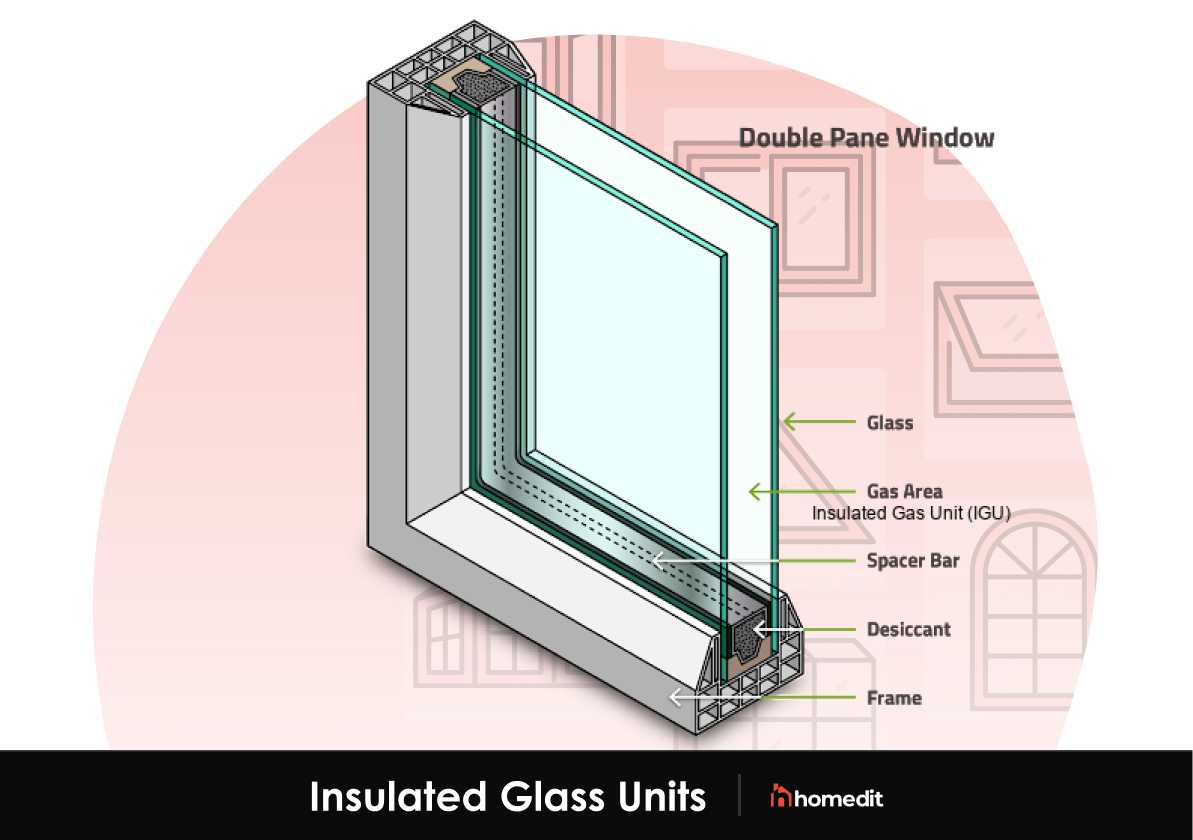
If you’re considering a long-term investment, upgrading to double or triple-glazed windows offers significant insulation benefits. These windows have multiple panes separated by air or gas pockets, which act as insulators.
While more expensive upfront, the energy savings and increased comfort often justify the cost over time. Double-glazed windows also reduce noise and condensation, enhancing overall home quality.
Adding Shades and Awnings Outside the Window
External shading devices like awnings and shades reduce the amount of direct sunlight hitting your windows. This prevents heat from entering and keeps your home cooler naturally.
Adjustable shades allow control over the amount of sunlight during different times of the day. Awnings are particularly useful in sunny areas and can be combined with other insulation techniques for optimal results.
Maintaining and Improving Your Window Insulation
Regular checks of your insulation solutions help maintain their effectiveness. Clean reflective films, replace worn weatherstripping, and ensure curtains are properly hung. Upgrading to better materials over time can further improve your home’s heat management.
Improving insulation is an ongoing process, and small enhancements can lead to significant savings and increased comfort. Always consider the specific climate and your home’s needs when choosing insulation methods.
Additional Tips for Insulating Glass Windows from Heat
- Combine multiple techniques like films, curtains, and weatherstripping for maximum efficiency.
- Use light-colored or reflective exterior paint to reduce heat absorption around windows.
- Shade south-facing windows heavily during peak summer hours to minimize heat gain.
- Ensure proper installation of all insulation methods for optimal performance.
Implementing these strategies can make a noticeable difference in your home’s temperature regulation. Insulating your windows is a simple step that can save you money and improve comfort year-round.
How to Insulate Windows | Cheap and Easy With Plastic Film
Frequently Asked Questions
What are some effective ways to reduce heat gain through glass windows during hot weather?
Using reflective window films or applying solar control coatings can significantly decrease heat entering your home. Installing shading devices such as awnings or exterior shutters also helps block direct sunlight. Additionally, planting trees or shrubs near windows provides natural shade, reducing the amount of heat that penetrates inside.
How can window coverings help in insulating against heat?
Heavy curtains, thermal blinds, or reflective drapes can keep heat out when drawn during the hottest parts of the day. These coverings prevent solar radiation from entering through the glass and maintain a cooler indoor environment. For better results, choose insulating or layered options that trap air and provide an extra barrier against heat transfer.
What role does window film play in controlling indoor temperatures?
Window films designed for solar control filter sunlight and reduce glare while blocking up to 99% of ultraviolet rays. This diminishes heat transfer through glass, keeping indoor spaces cooler. Many films also help prevent fading of furniture and fabrics by reducing UV exposure, making them a practical addition for heat management.
Are there any structural modifications I can consider to improve window insulation against heat?
Installing double-glazed or low-emissivity (Low-E) glass improves insulation by creating an air or gas-filled space between panes, which reduces heat transfer. Sealing gaps around window frames and adding weatherstripping also prevents warm air from leaking in and cool air from escaping, further enhancing insulation.
Can adding external or internal shading devices make a difference in heat insulation?
Yes, external shading devices like overhangs, louvers, or external shutters effectively block sunlight before it hits the glass, resulting in less heat gain. Internal options such as reflective blinds or window films can also decrease the amount of heat passing through the glass, helping maintain a comfortable indoor temperature.
Final Thoughts
To insulate glass windows from heat effectively, start by installing reflective window films that reflect sunlight. Use weatherstripping seals to prevent warm air from entering and cold air from escaping. Adding heavy curtains or blinds provides an extra layer of protection during hot days.
These methods help reduce indoor temperatures and lower energy bills. By focusing on these strategies, you can keep your space cooler and more comfortable. Proper insulation of glass windows from heat enhances your home’s efficiency and comfort daily.

- What Size Windshield Crack Can Be Repaired? - August 4, 2026
- How Long Glass Coatings Last, and Why Yours Stopped - August 4, 2026
- Windshield Repair vs. Replacement: When You Can Fix It and When You Can’t - July 12, 2026