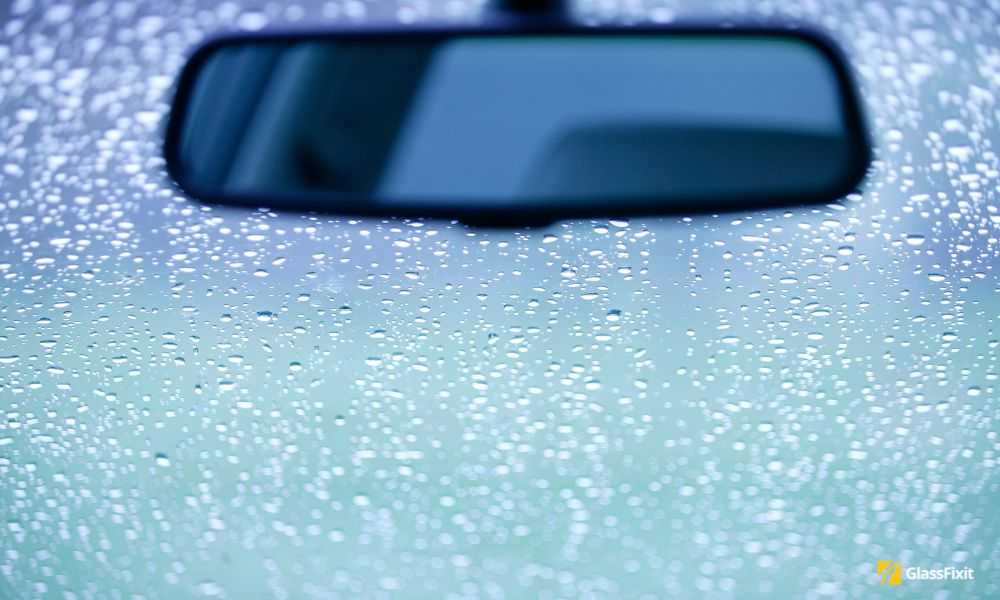
To make your car windshield water repellent, simply apply a specialized hydrophobic treatment or coating designed for auto glass. Regularly cleaning and maintaining your windshield with these products creates an invisible barrier that repels water, improving visibility during rain. The process is simple and can be done at home with the right products, saving you time and money on professional services.
Applying a hydrophobic coating to your windshield enhances safety by keeping rainwater from forming distracting streaks and reducing glare, ensuring a clearer view while driving. In this article, we’ll explore easy steps to transform your windshield into a water-repelling shield, helping you stay safe and confident on the road even in the heaviest downpour. No need for fancy tools—just a few simple products and some basic instructions will do the trick.

How to Make Car Windshield Water Repellent
Making your car windshield water repellent helps improve visibility during rainy days and makes cleaning easier. Properly treated glass can shed water quickly, preventing streaks and fogging. This guide will walk you through simple steps and tips to achieve a water-repellent surface on your car windshield.
Understanding Water Repellency and Its Benefits
Water repellent coatings cause water to bead up and roll off the glass easily. This prevents water spots and reduces the need for frequent cleaning. Additionally, a water-repellent windshield enhances safety by providing clearer visibility in wet conditions.
Types of Water-Repellent Products
There are two main types of products used for windshield water repellency:
- Spray-On Coatings – These are easy to apply and typically last for a few weeks to months. They are ideal for DIY projects and quick touch-ups.
- Liquid Sealants – Usually require more careful application but tend to last longer. They often create a more durable barrier against water and dirt.
Essential Tools and Materials Needed
Before starting, gather the following items:
- Water-repellent windshield treatment product
- Microfiber cloths
- Glass cleaner
- Squeegee or razor blade (optional for cleaning stubborn residues)
- Leather or plastic gloves (to avoid skin contact)
Preparing Your Windshield for Treatment
Cleaning the Glass Thoroughly
Begin with a clean windshield to ensure the water-repellent coating adheres properly. Use a high-quality glass cleaner and a microfiber cloth to remove dirt, grease, and grime. Avoid using abrasive materials that could scratch the glass.
Removing Residues and Contaminants
If your windshield has stubborn residues, lightly scrape them using a razor blade or squeegee. Make sure the glass is completely dry before applying the treatment.
Applying Water-Repellent Treatments
Spray-On Coatings
Shake the bottle well before use. Spray the product evenly across the clean windshield in small sections. Use a microfiber cloth to spread the solution smoothly, ensuring full coverage. Avoid applying in direct sunlight to prevent uneven drying.
Liquid Sealants
Apply a few drops of the sealant onto a clean microfiber cloth. Spread evenly over the glass surface with circular motions. Keep the application thin and uniform. Let it sit for the recommended time, usually 10-15 minutes, before buffing off excess residue.
Drying and Curing the Water-Repellent Coating
Allow the treatment to dry naturally. This typically takes between 15 to 30 minutes, depending on the product. Do not touch or wipe the windshield during this time. For best results, avoid washing the car for at least 24 hours after application.
Maintaining the Water-Repellent Coating
Regular Cleaning
Keep your windshield clean by washing it regularly with a gentle glass cleaner. This prevents dirt from compromising the coating.
Reapplication Tips
Reapply the water-repellent treatment every few months or after washing your car with harsh chemicals. Frequent reapplication helps maintain the water-beading effect.
Additional Tips and Tricks
- Test on a small area first: Always do a patch test to see how the product reacts with your glass.
- Use in suitable weather: Apply treatments when the weather is dry and mild to ensure proper adhesion.
- Enhance coverage: For larger windshields, work in sections to ensure even application.
Safety Precautions
Wear gloves and work in a well-ventilated area. Avoid inhaling fumes from chemical treatments. Keep products out of reach of children and pets.
Related Topics
How to Remove Water-Repellent Coatings
If you want to remove a water-repellent coating, use a glass cleaner combined with a scrub pad or a specialized remover. Follow up with thorough cleaning to restore the glass surface.
Choosing the Best Windshield Cleaner
Select a cleaner that is free from ammonia, which can strip away water-repellent coatings. Use microfiber cloths for streak-free results.
Additional Car Care Tips for Better Visibility
- Replace windshield wipers regularly for clear wiping action.
- Use anti-fog treatments inside the car to prevent fogging.
- Fix chips and cracks promptly to maintain glass integrity.
Applying a water-repellent coating to your car windshield is a simple and effective way to improve visibility during rainy weather. With proper cleaning, application, and maintenance, your windshield can shed water quickly and stay clearer longer. Take your time to choose quality products and follow the steps carefully for the best results.
(REVISED) making LOW COST windshield wiper fluid
Frequently Asked Questions
What are effective ways to prepare my windshield before applying a water-repellent treatment?
Applying a water-repellent treatment works best when the windshield is clean and free of dirt, grease, and old residue. Start by washing your windshield thoroughly with a glass cleaner or a mixture of soap and water. Use a microfiber cloth or a soft sponge to scrub the surface, paying attention to stubborn spots. Rinse the windshield completely and dry it with a lint-free towel or a squeegee to prevent streaks. For optimal results, consider using a clay bar to remove embedded contaminants, and ensure the glass is completely dry before applying the treatment.
What is the proper technique for applying a water-repellent solution to my windshield?
First, wear gloves to protect your skin from chemicals. Shake the water-repellent product well and apply a few drops to a clean, soft cloth or applicator pad. Work the solution onto the windshield in small, circular motions, covering the entire surface evenly. Focus on ensuring the solution reaches the edges and corners. Allow the product to sit for the recommended time indicated on the package. Then, buff the surface with a clean cloth to remove any excess residue, revealing a clear, glossy finish. Avoid using the windshield until the treatment has fully set.
How often should I reapply a water-repellent coating to maintain its effectiveness?
Reapplication depends on driving conditions, weather, and the specific product used. Typically, it is advisable to reapply every three to six months. If you notice water no longer beads up and slides off smoothly, it’s time for a fresh layer. Regular maintenance, such as cleaning your windshield with gentle glass cleaner and avoiding abrasive materials, helps prolong the effectiveness of the coating. Monitoring the water runoff after rain will give you a good indication of when to reapply.
Are there any precautions I should take when using water-repellent products on my windshield?
Always read the manufacturer’s instructions carefully before applying the product. Use the treatment in a well-ventilated area to avoid inhaling fumes. Test the product on a small, inconspicuous area first to ensure it does not cause any damage or discoloration. Avoid applying the solution on hot or sunny surfaces, as this can cause uneven application or quick drying. Keep the window closed during and after application until the coating has fully cured. Store the product in a cool, dry place, away from children and pets.
Can I use a water-repellent product on other parts of my vehicle?
Yes, many water-repellent solutions are suitable for use on other glass surfaces, such as side mirrors and rear windows. However, do not apply them on plastic or painted surfaces unless specified by the manufacturer, as some chemicals can damage these materials. For best results, only use products that are explicitly labeled for automotive glass to ensure safety and effectiveness. Always follow the application guidelines and safety precautions listed on the product label.
Final Thoughts
To make car windshield water repellent, start by cleaning the surface thoroughly to remove dirt and grime. Apply a high-quality hydrophobic coating or treatment evenly across the glass. Use a squeegee or cloth to spread the product and ensure complete coverage. Regular reapplication enhances durability and keeps your windshield clear during rainy conditions.

- What Size Windshield Crack Can Be Repaired? - August 4, 2026
- How Long Glass Coatings Last, and Why Yours Stopped - August 4, 2026
- Windshield Repair vs. Replacement: When You Can Fix It and When You Can’t - July 12, 2026