To repair windshield chips in the rain, quickly dry the area with a cloth as much as possible and use a rain-compatible repair kit that contains resin. Applying the resin in wet conditions can be tricky, but working swiftly and carefully helps prevent the damage from spreading. If you don’t have a specialized kit, it’s best to wait for the rain to stop or find a covered area before attempting repair. Keep in mind that repair work done in the rain is temporary; a professional fix will be necessary for a long-term solution.
If your windshield gets chipped during rainy weather, act fast but safely. First, try to shield the area from the rain and dry it thoroughly. Then, use a weatherproof repair kit designed for wet conditions—these often include resin that can be applied even when moisture is present. While DIY fixes can temporarily improve visibility and prevent the crack from worsening, visiting a professional for a full repair is the best way to ensure your windshield remains strong and safe. Remember, working in the rain is a challenge but manageable with the right tools and a quick response.

How to Repair Windshield Chips in Rain: A Complete Guide
Understanding Windshield Chips and Their Growth
Windshield chips are small cracks or dings caused by flying debris hitting the glass. Rain can make these chips worse if not repaired quickly. Moisture can seep into the cracks, causing the damage to spread faster.
It’s important to recognize that even a tiny chip can turn into a large crack over time. Waiting too long to fix chips increases the risk of needing a full windshield replacement. Repairing chips promptly is the best way to prevent costly repairs later.
Why Rain Makes Repair More Challenging
Rain complicates windshield chip repairs because water can interfere with the sealing process. When moisture gets into the crack, it prevents the resin from bonding properly to the glass. This can result in a weak repair that doesn’t hold up over time.
Additionally, trying to repair a chip during rain can be tricky because water can cause bubbles or air pockets inside the resin. These imperfections weaken the repair’s durability and clarity. It’s best to plan repairs when the weather is dry or use protective measures if rain is unavoidable.
Preparing Your Tools and Workspace
Before starting the repair, gather all necessary tools. Most kits include resin, an applicator, curing strips, and a needle or pin. If you don’t have a repair kit, these items can be purchased at auto parts stores or online.
Choose a well-lit, covered area to work in. Use a tarp or plastic cover to shield the windshield from rain if needed. Ensure the windshield surface is clean and free of dirt, dust, or loose glass fragments. Clean the area with glass cleaner and a lint-free cloth to improve adhesion.
Step-by-Step Repair Process During Rain
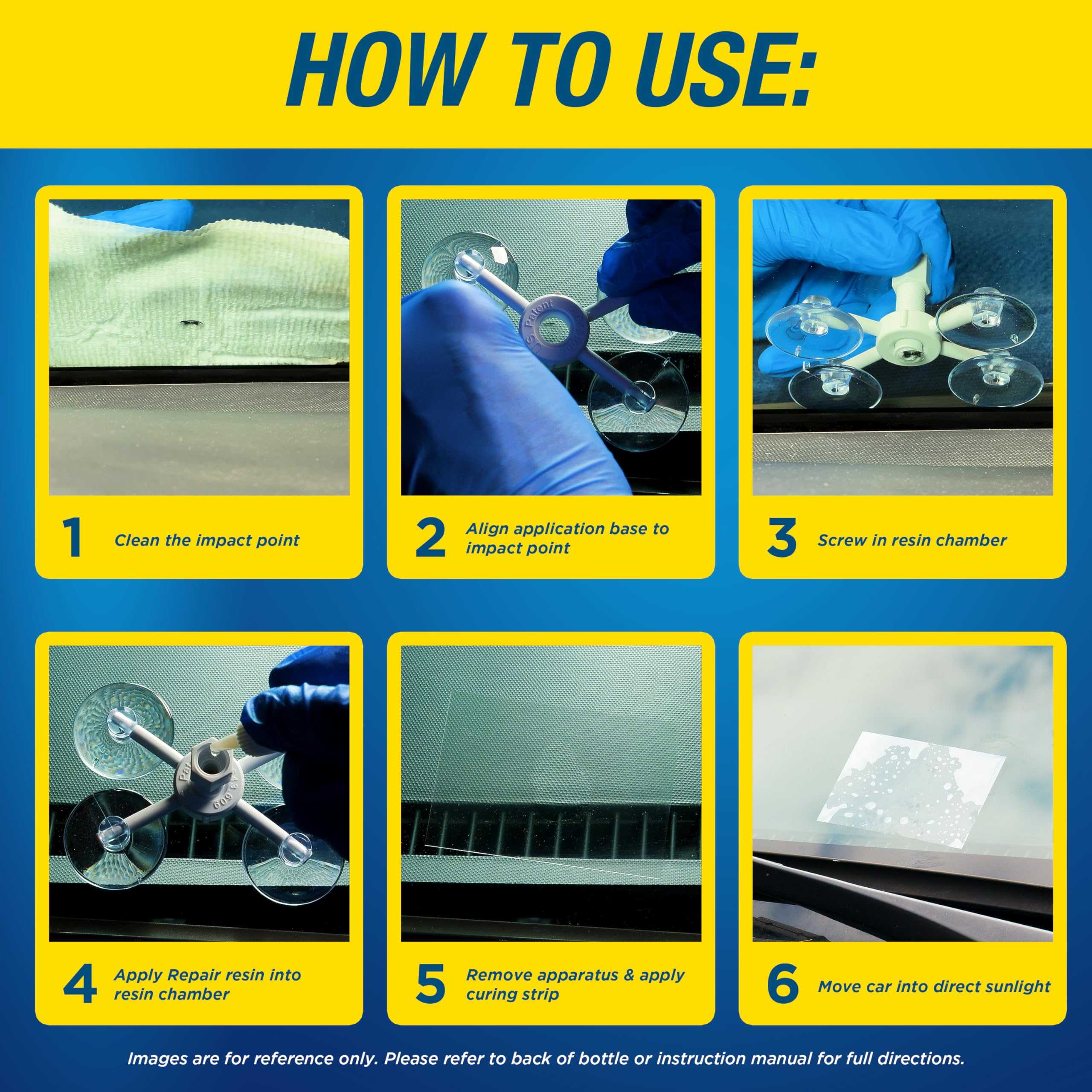
Performing windshield chip repairs in rain requires extra care. Here’s a step-by-step guide:
- Wrap a plastic bag or waterproof cover around the windshield to keep it dry during the process.
- Apply a small amount of water to the chip to prevent dirt from entering the crack.
- Use the included applicator to carefully inject resin into the damaged area.
- Follow the resin curing instructions closely, often involving exposure to sunlight or using a UV light.
- Place curing strips over the resin and let it set for the recommended time.
- Remove the curing strips and wipe excess resin with a clean cloth.
Remember, during rain, patience is key. The process might take longer, and additional layers of resin may be needed to fully fill the chip.
Using Waterproof Covers to Enhance Repair Success
A waterproof cover is essential when working in rainy conditions. You can use plastic sheets, tarps, or specialized windshield repair covers. Secure the cover tightly around the windshield edges to prevent water from seeping in.
Some repair kits come with built-in waterproof barriers. These can help keep the resin dry during curing and ensure a stronger bond. Always check the cover for leaks before starting your repair.
Effectively Curing Resin in Damp Weather
Proper curing is vital for a durable repair. In rainy weather, UV exposure might be limited, so consider alternative curing methods. For instance, use a UV flashlight or lamp to cure the resin.
Ensure the resin is fully hardened before removing the curing strips. If the resin feels sticky or soft, give it more time to cure. Patience ensures the repair will last longer and look clearer.
Tips for Safe and Successful Windshield Chip Repairs in Rain
To maximize the quality of your repair, follow these tips:
- Work during a dry window if possible, such as early morning or late evening.
- Use a waterproof cover to prevent additional water damage during repairs.
- Apply multiple thin layers of resin rather than one thick layer for better bonding.
- Follow all curing instructions precisely to ensure optimal results.
- Avoid driving immediately after repair; give the resin sufficient time to cure fully.
Always prioritize safety and patience. If weather conditions are too severe or repair seems difficult, consider waiting for better weather or consulting a professional.
Preventing Future Windshield Chips and Cracks
Prevention is always better than repair. Here are easy steps to reduce the risk of chips when driving in rainy or debris-prone areas:
- Maintain a safe distance from other vehicles to avoid mud or stones kicked up.
- Replace old windshield wipers, as they help clear rain and debris better.
- Drive cautiously on gravel roads or construction zones.
- Keep your windshield clean to improve visibility and reduce the chance of chips.
Regular inspections and timely repairs can save money and extend the life of your windshield.
When to Seek Professional Help
While DIY repairs are effective for small chips, some situations require professional service. If the crack is large, spread rapidly, or affects your entire line of sight, it’s best to see an expert.
Professionals can perform more advanced repairs, especially in difficult weather conditions. They also have equipment to ensure a more durable and visually appealing fix.
Additional Resources and Tools
Several online tutorials, videos, and step-by-step guides are available to help you repair windshield chips during rain. Many auto parts stores also offer comprehensive repair kits designed for DIY use.
Using high-quality products and following detailed instructions can improve your success rate. Remember that safety and patience are key in handling fragile glass repairs, especially in less-than-ideal weather conditions.
This comprehensive approach to repairing windshield chips during rain will help you make informed decisions and achieve lasting results. Prioritize safety, use the right tools, and don’t hesitate to seek professional help if needed.
How to use Rain-X Windshield Repair Kit
Frequently Asked Questions
Is it possible to temporarily fix a windshield chip during rain to prevent further damage?
Yes, you can apply a temporary windshield repair resin or adhesive designed for chips and cracks. These products help seal the affected area, preventing moisture from entering and worsening the damage until you can get a professional repair. Make sure to clean the area gently and follow the instructions carefully for the best results.
How can I best prepare my windshield for repair when it’s raining?
Prepare the surface by gently cleaning the chipped area with a soft cloth to remove dirt and debris. If possible, use a dry cloth to remove excess moisture around the chip. Avoid applying any repair products during heavy rain; choose a dry, sheltered spot or wait for a break in the weather. Ensuring the area is as dry as possible will improve the effectiveness of the repair.
What tools or materials should I use for repairing windshield chips in rainy conditions?
Use a windshield repair kit that includes resin, an applicator, and curing strips. Some kits are designed to work in damp conditions or can be used with minimal moisture. If the rain is persistent, consider using a small tarp or waterproof cover to shield the damaged area during the repair process. Always follow the kit instructions carefully for optimal results.
Can a windshield chip repaired in the rain last as long as one repaired in dry conditions?
Repairs carried out in rainy conditions might not last as long as those done in dry conditions. Moisture can interfere with the bonding process, leading to weaker repairs. To ensure durability, it’s best to complete the repair when the weather is dry or inside a sheltered environment, and allow proper curing time before exposing the windshield to moisture.
Final Thoughts
Pour réparer les éclats de pare-brise pendant la pluie, commencez par sécher la zone avec un chiffon absorbant. Si possible, attendez que la pluie diminue ou que le temps s’améliore pour une meilleure visibilité. Utilisez un kit de réparation conçu pour résister à l’humidité et appliquez le produit selon les instructions.
Vous pouvez également couvrir la zone avec du plastique ou un sac en plastique pour éviter que l’eau ne pénètre. Une fois que le pare-brise est sec et que la météo s’améliore, effectuez la réparation pour assurer une meilleure durabilité.
how to repair windshield chips in rain est possible en suivant ces étapes simples et en utilisant un kit adapté. Priorisez la sécurité et la précision pour éviter d’aggraver la fissure ou l’éclat.

- What Size Windshield Crack Can Be Repaired? - August 4, 2026
- How Long Glass Coatings Last, and Why Yours Stopped - August 4, 2026
- Windshield Repair vs. Replacement: When You Can Fix It and When You Can’t - July 12, 2026