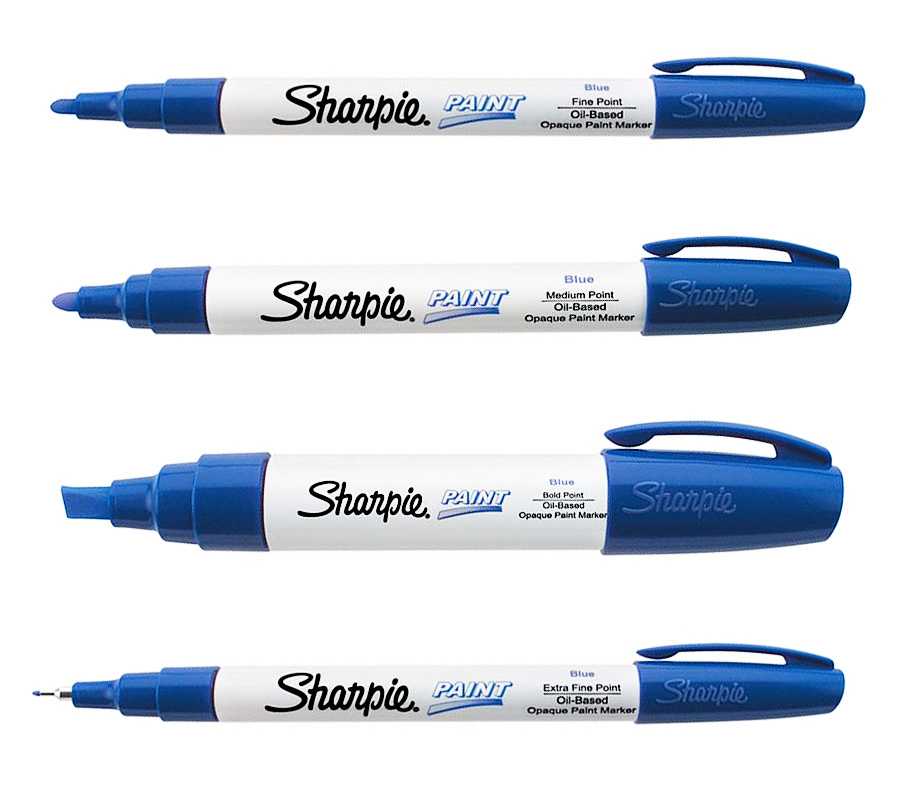
You can use specific markers such as those labeled as glass markers, oil-based paint markers, or permanent markers designed for non-porous surfaces. These markers adhere well to glass and provide vibrant, long-lasting results. In this article, you’ll learn which markers are best for decorating or writing on glass surfaces, ensuring your designs stay vivid without smudging or peeling.
If you’re wondering what markers work best on glass, the answer is to choose those specifically designed for smooth, non-porous surfaces like glass. Permanent markers, oil-based paint markers, and specialized glass markers are your best options for achieving clear, durable artwork or writing. Selecting the right marker will make your glass projects look professional and last longer without fading or smearing.
Decorating glass surfaces can be incredibly satisfying, whether you’re customizing a wine glass, creating stained-glass effects, or marking jars for storage. However, not all markers are suitable for glass, as some may smudge, wash off easily, or not stick well. Knowing which markers to use ensures your designs stay vibrant and intact over time. From personal crafts to professional projects, choosing the right markers can make all the difference in achieving clean, sharp lines and beautiful finishes on glass surfaces.

What Markers Can I Use on Glass
Choosing the right marker for glass is essential if you want your design to last and look professional. Different types of markers work better depending on the project, whether you’re decorating a window, creating a personalized mug, or designing a photo frame.
Types of Markers Suitable for Glass
Not all markers are designed for glass surfaces. Some are better suited because of their ink composition and adhesion properties. Here are the most common markers you can use on glass:
- Oil-Based Paint Markers
- Glass Markers or Permanent Markers
- Erasable Glass Markers
- Chalk Markers
- Liquid Chalk Markers
Oil-Based Paint Markers
Oil-based paint markers are popular for glass because their ink bonds well to non-porous surfaces. They are vibrant and provide a glossy finish, making your designs stand out. These markers are also durable and resistant to water and UV rays once dry.
Some well-known brands include Posca, Sharpie Oil-Based Paint Markers, and Sakura Pen-Touch. They are excellent for detailed artwork, lettering, or decorative patterns on glass objects.
Advantages of Oil-Based Paint Markers
- Vivid Colors — Bright and opaque pigments
- Durability — Resistant to water and weather conditions
- Variety of Tips — Fine, medium, or broad tips for different effects
Best Uses
Perfect for creating permanent designs on glass surfaces such as jars, bottles, and windows. Ideal for crafts that need to withstand handling or outdoor exposure.
Glass Markers or Permanent Markers
Standard permanent markers are readily available and easy to use for light projects on glass. They contain solvent-based ink, which adheres well to glass surfaces.
Popular options include Sharpie permanent markers and BIC Mark-it markers. These are great for temporary or semi-permanent designs that can be easily erased or cleaned.
Advantages of Permanent Markers
- Accessibility — Widely available and easy to find
- Ease of Use — No special preparation needed
- Good for Temporary Projects — Easy to wipe off with alcohol or glass cleaner for temporary artwork
Limitations
Regular permanent markers may not be as durable or resistant to elements as paint markers. They tend to smudge or fade over time, especially if not sealed with a clear coat.
Erasable Glass Markers
Erasable markers are perfect for temporary designs or when practicing art on glass. They usually contain water-based ink, which can be wiped off easily with a damp cloth.
Brands such as Expo and Chalkola produce erasable glass markers suitable for both indoor and outdoor glass surfaces. These markers are ideal for glass boards, windows, or any glass surface that requires frequent updating.
Advantages of Erasable Markers
- Easy to Remove — Clean up with a damp cloth or tissue
- Ideal for Reusable Surfaces — Perfect for classrooms or home decor
- Low Cost — Usually inexpensive and widely available
Best Uses
Great for temporary signage, art projects, or labels on glass containers. Excellent for practicing designs before finalizing permanent artwork.
Chalk and Liquid Chalk Markers
Chalk markers provide a matte finish and are easy to write on glass. They create a soft, chalk-like texture, perfect for rustic or vintage-themed projects.
Liquid chalk markers are similar but offer more vibrant colors and smoother application. They are often used for menu boards, festive decorations, and window art.
Advantages of Chalk Markers
- Writable on Non-Porous Surfaces — Glass, blackboards, mirrors
- Easy to Erase — Wipe off with a damp cloth
- Colorful Options — Wide array of colors available
Limitations
Chalk markers can sometimes be less permanent, especially if exposed to water or humid conditions. Additional sealing may be necessary for long-lasting designs.
Key Factors to Consider When Selecting Markers for Glass
Choosing the right marker depends on several factors. Here’s what to keep in mind:
| Factor | Details |
|---|---|
| Durability | Will your design need to withstand water, sunlight, or handling? |
| Ease of Removal | Do you want a temporary or permanent design? |
| Color Brightness | Are vivid colors important for your project? |
| Surface Compatibility | Is your glass surface smooth, etched, or textured? |
| Safety and Cleanability | Will you need non-toxic, washable markers? |
Preparation Tips for Using Markers on Glass
Prepping your glass surface improves adhesion and minimizes smudges. Clean the glass thoroughly with alcohol or a glass cleaner and dry it completely.
If applying permanent markers, test in a small area first to check for smooth flow and adhesion. For paint markers, shake well and prime the tip before use for even ink flow.
Sealing and Protecting Your Glass Artwork
Sealing your design ensures longevity and resistance. Use a clear acrylic spray or sealant compatible with your marker type.
Allow the sealant to dry fully before handling or cleaning the glass. This step is especially helpful for outdoor or frequently touched items.
Additional Tips for Best Results
- Practice your design on scrap glass to get comfortable with the marker flow.
- Use stencils or masking tape for sharp, clean designs.
- Allow ink to dry completely before handling or cleaning the surface.
- Store markers horizontally to maintain even ink flow and prevent tips from drying out.
Special Considerations for Different Glass Items
Windows and Mirrors
Opt for erasable or chalk markers for temporary decorations. For permanent designs, waterproof paint markers work best.
Glassware and Tiles
Use oil-based paint markers for durability. Remember to bake or cure your artwork if necessary to enhance adhesion.
Picture Frames and Decorative Items
Permanent markers are suitable for personalization or intricate designs. Seal the artwork if needed to prevent fading.
Knowing what markers can be used on glass allows you to select the best tools for your project. Whether you want vibrant permanent designs or temporary chalk art, there is a marker suited for your needs. Always consider the surface, duration, and finish you desire before choosing your marker. Proper preparation and sealing will help your artwork look professional and last longer on your glass surfaces.
Activating Acrylic marker pen on glass 💕 #shorts #youtubeshorts #acrylic
Frequently Asked Questions
What types of markers are suitable for decorating glass surfaces?
Oil-based paint markers and permanent markers designed for non-porous surfaces work well on glass. These markers provide vibrant colors and adhere smoothly without smudging. Be sure to choose markers labeled specifically for glass or ceramic to ensure compatibility and durability.
Can everyday markers be used on glass without special modifications?
Standard markers like permanent markers can be used on glass, but their longevity depends on the surface and use. For items exposed to frequent handling or washing, it’s better to opt for markers formulated for glass to prevent smudging or fading over time.
Are there any markers that are safe for use on food-contact glassware?
Yes, safe options include food-safe glass markers or edible markers designed for decorating glassware used for food or beverages. Always check product labels to confirm they are non-toxic and suitable for food contact surfaces before applying.
What should I consider when selecting markers for stained or textured glass?
For stained or textured glass, use markers with fine tips that can navigate uneven surfaces. Oil-based or paint markers with high opacity work well to make your designs stand out on complex backgrounds. Test a small area first to ensure the marker adheres properly.
How can I make my glass artwork last longer with the right markers?
Choose markers formulated for glass that offer waterproof and fade-resistant ink. After applying, cure your design according to the manufacturer’s instructions, which may involve baking or letting it dry thoroughly. Sealing your artwork with an appropriate clear coat can also help protect it against wear and tear.
Final Thoughts
Markers suitable for glass include oil-based Sharpie markers, paint markers like Posca, and glass-specific markers such as Pebeo Vitrea. These markers adhere well and provide vibrant, lasting designs.
Always choose markers labeled for glass or non-porous surfaces to ensure durability. Test on a small area before finalizing your design for best results.
In conclusion, what markers can I use on glass? Options such as oil-based Sharpies, paint markers, and glass-specific markers work best. Use these to create detailed and lasting artwork on glass surfaces.

- What Size Windshield Crack Can Be Repaired? - August 4, 2026
- How Long Glass Coatings Last, and Why Yours Stopped - August 4, 2026
- Windshield Repair vs. Replacement: When You Can Fix It and When You Can’t - July 12, 2026