The best car window cleaner is one that leaves your glass spotless, streak-free, and easy to use — making your driving safer and more enjoyable. When choosing the right product, factors like cleaning power, ease of application, and durability matter most. After testing various options, I found that a good-quality ammonia-based cleaner or a natural, vinegar-based solution can give you crystal-clear results without harsh chemicals. Keep reading to discover the top picks and tips for achieving perfectly clean car windows every time!
Looking for the top car window cleaner? A great choice combines strong cleaning ability with gentle application, leaving your windows streak-free and crystal clear. Whether you’re tackling stubborn grime or routine cleaning, the right product makes all the difference. In this guide, we’ll explore the best options available, so you can pick the perfect solution for your vehicle’s needs and enjoy a clearer, safer drive.

Which Car Window Cleaner is Best?
Choosing the right car window cleaner can make a big difference in how clear and streak-free your windows appear. With so many options available, it’s important to understand what features and ingredients to look for. This guide will help you find the best car window cleaner for your needs by exploring different types, ingredients, and tips for use.
Understanding the Types of Car Window Cleaners
Car window cleaners come in several forms, each with its own advantages. Knowing the differences helps you select the most effective product for your vehicle. The main types include sprays, wipes, and concentrate solutions.
Spray Car Window Cleaners
Spray cleaners are the most common and easy to use. They often come in bottles with trigger sprayers, allowing you to apply directly to the glass. Many sprays are designed to be quick-drying, leaving little to no streaks. Look for products labeled as “streak-free” for best results.
Wipes and Pre-Moistened Cloths
Wipes are convenient for quick cleaning on the go. They are pre-moistened with cleaning solution and are handy for touch-ups. However, they may not be suitable for large cleaning jobs and can sometimes leave lint or residue if not used properly.
Concentrates and Fill-Your-Own Solutions
Concentrate solutions require dilution before use, offering a more economical option for frequent cleaning. They tend to be more customizable in terms of strength. These are ideal for car wash stations or those who prefer to mix their own solutions.
Key Ingredients to Look for in Car Window Cleaners
Not all cleaning products are created equal. The most effective window cleaners contain specific ingredients to tackle dirt, grime, and streaks. Understanding these helps you choose products that deliver clear, shiny results.
Ammonia
Ammonia is a powerful cleaning agent that cuts through grease and grime effectively. It also evaporates quickly, reducing streaks. However, ammonia can be harsh on tinted windows and certain plastics, so check your car’s materials before choosing a product with ammonia.
Isopropyl Alcohol
This ingredient helps in quick evaporation and leaves windows streak-free. It also disinfects surfaces, making it a popular choice in many cleaners. Products with isopropyl alcohol tend to dry fast and are great for a quick shine.
Vinegar
Vinegar is a natural cleaner that breaks down dirt and removes residues. It’s safe for tinted windows and eco-friendly. If you prefer a natural approach, look for cleaners that contain vinegar or use it as an ingredient.
Surfactants
Surfactants help in loosening dirt and oil from the glass. They are common in most commercial cleaners and are essential for achieving a streak-free finish. Check that the product has effective surfactants for dirt removal.
Features That Enhance Performance
Besides ingredients, certain features can improve how well a car window cleaner works. These include anti-fog properties, quick-drying formulas, and UV protection. Choosing products with these features can extend the clarity and cleanliness of your windows.
Anti-Fog Additives
Some cleaners contain anti-fog agents that prevent condensation from forming on the glass. This feature is especially useful in humid or cold environments, ensuring clear visibility at all times.
Fast-Drying Formulas
Quick-drying cleaners reduce the chances of streaks and require less wiping. Many sprays advertise fast evaporation, which helps in achieving a spotless finish in less time.
UV Protection
UV protective cleaners help preserve the integrity of window tinting and prevent glass degradation caused by sunlight. This feature prolongs the clarity and condition of your windows over time.
How to Properly Use Car Window Cleaners
Even the best cleaner can underperform if not used correctly. Follow these simple steps for optimal results:
- Start by parking your car in the shade to prevent the cleaner from drying too quickly.
- Spray the cleaner generously onto the glass surface. For sprays, hold the bottle about six inches away from the window.
- Use a clean microfiber cloth or paper towel to wipe in circular motions. This technique minimizes streaks and lifts dirt effectively.
- For stubborn spots, hold a cloth dampened with cleaner against the area for a few seconds before wiping.
- Finish by buffing the glass with a dry, lint-free cloth to remove any remaining moisture or streaks.
Additional Tips for Keeping Your Car Windows Clear
Beyond regular cleaning, consider these tips:
- Clean your windows regularly to prevent buildup of dirt and grime.
- Avoid cleaning windows in direct sunlight as it can cause streaks and quicker evaporation.
- Use a dual-action approach: clean the interior and exterior windows for maximum clarity.
- Inspect for and repair any chips or cracks that might affect your view.
- Consider applying a glass sealant or protective coating for longer-lasting clarity.
Top Car Window Cleaners on the Market
Based on effectiveness, user reviews, and ingredients, these are some popular choices:
| Product Name | Type | Key Features | Price Range |
|---|---|---|---|
| Rain-X Glass Cleaner | Spray | Streak-free, fast-drying, includes anti-fog | Low to Moderate |
| Invisible Glass Premium Cleaner | Spray | Crystal-clear results, safe for tinted windows | Moderate |
| Eco Touch Glass Cleaner | Concentrate | Eco-friendly, natural ingredients, cost-effective | Low |
| Chemical Guys Glass Cleaner | Wipe/Pre-Moistened Cloth | Lint-free cloth included, streak-free finish | Moderate |
Environmental and Safety Considerations
If eco-friendliness is important, look for biodegradable products with natural ingredients like vinegar or plant-based surfactants. Always read labels to ensure the cleaner is safe for tinted windows and won’t damage plastics or rubber seals.
Choosing the best car window cleaner involves considering the type, ingredients, and features that suit your needs. Whether you prefer sprays for quick jobs or concentrates for deep cleaning, there are options designed for clarity and streak-free results. Regular cleaning using proper techniques will keep your windows clear and improve your driving visibility.
BEST GLASS CLEANERS !
Frequently Asked Questions
What ingredients should I look for in an effective car window cleaner?
An effective car window cleaner should contain ingredients that cut through dirt, grime, and streaks without leaving residue. Look for solutions with ammonia or alcohol-based formulas, as they evaporate quickly and leave glass spotless. Avoid cleaners with harsh chemicals that can damage window tint or cause streaks. Natural ingredients like vinegar or plant-based surfactants can also provide a thorough clean without harsh fumes.
How important is it to choose a streak-free windshield cleaner?
Choosing a streak-free cleaner is essential for clear visibility and safety while driving. Streaks and smudges can obscure your view, especially in bright sunlight or at night. A high-quality cleaner ensures that your windows are crystal clear after cleaning, reducing distractions and enhancing your driving experience. Always check product reviews or labels to confirm that the cleaner is designed to leave a streak-free finish.
Can I use a multi-purpose cleaner on car windows?
While multi-purpose cleaners are versatile, they may not always be ideal for car windows. Some contain ingredients that leave residues or streaks on glass surfaces. It’s better to use a cleaner specifically formulated for automotive glass, which ensures a thorough clean without compromising clarity. Dedicated window cleaners also often contain properties to repel dust and water, helping your windows stay cleaner longer.
Are there eco-friendly options available for cleaning car windows?
Yes, eco-friendly car window cleaners are available on the market. These products typically use biodegradable ingredients and avoid harsh chemicals. They are safer for the environment and better for your health, especially if you frequently clean your vehicle. Look for certifications or labels indicating eco-friendliness and check user reviews to find effective options that won’t compromise your vehicle’s cleanliness.
What features should I consider in a convenient car window cleaning product?
When selecting a convenient cleaning product, consider features like quick-drying formulas, ease of application, and streak-free results. Some cleaners come in spray bottles with ergonomic designs that make application easier, even in hard-to-reach areas. Additionally, products with built-in anti-fog or water-repellent properties can enhance safety and reduce the frequency of cleanings. Always opt for products that balance ease of use with effective cleaning power.
Final Thoughts
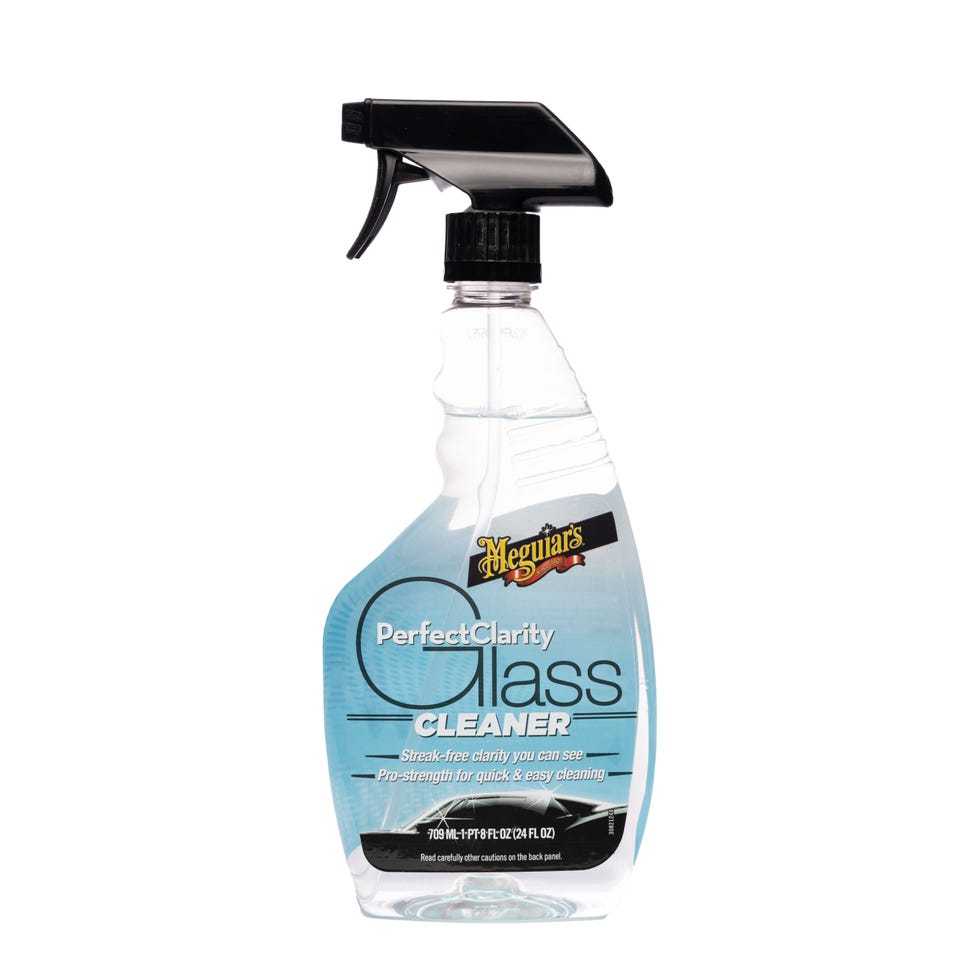
Which car window cleaner is best? When choosing the top product, consider effectiveness, streak-free results, and ease of use. Brands like Meguiar’s and Rain-X stand out for their reputation and quality.
Ease of application and quick drying are also key factors that enhance overall satisfaction.
Ultimately, the best car window cleaner depends on your specific needs and preferences.

- What Size Windshield Crack Can Be Repaired? - August 4, 2026
- How Long Glass Coatings Last, and Why Yours Stopped - August 4, 2026
- Windshield Repair vs. Replacement: When You Can Fix It and When You Can’t - July 12, 2026