What Is The Front Glass Of A Car Called In Automotive Terms
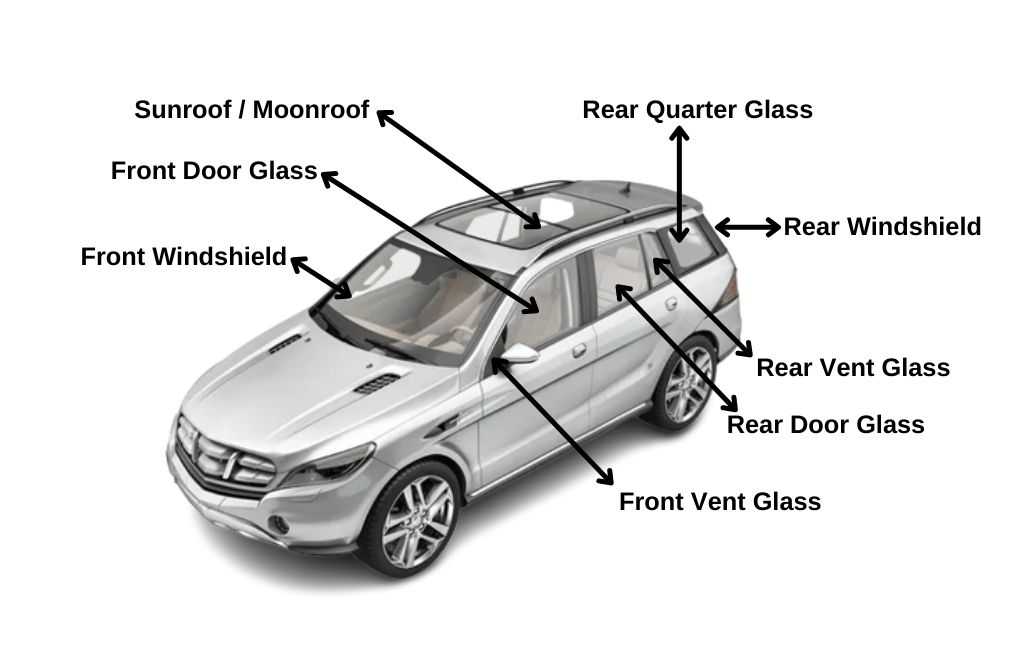
The front glass of a car is called the windshield. It’s a crucial component that provides visibility while protecting passengers from wind, debris, and insects. Think of it as the car’s first line of defense against the elements and obstacles on the road.
The windshield is a large piece of safety glass that covers the front of the vehicle, helping drivers see clearly and ensuring safety during travel. It also supports the roof’s integrity and anchors the windshield wipers. In this article, we’ll explore what the front glass of a car is called, its functions, and why maintaining it is essential for safe driving. Whether you’re a car owner or just curious, understanding this vital part helps appreciate its role in everyday driving experiences.

What Is the Front Glass of a Car Called?
The front glass of a car is an essential part of the vehicle that protects occupants and helps with visibility. Many people refer to it simply as the “windshield,” but there are specific terms and details associated with this important component. Understanding what the front glass is called and its different types helps car owners take better care of their vehicles.
Common Names for the Front Glass of a Car
The most widely used term for the front glass is windshield. This term is used primarily in North America and is familiar to most drivers. In other regions, terms like windscreen are more common.
While windshield and windscreen are the main names, the technical term is autoglass. This term refers to all glass components used in vehicles, including the windshield, windows, and rear glass.
Definitions and Differences Between Windshield and Windscreen
Both words refer to the same part but are used differently depending on geography. The term windshield is standard in the United States, while windscreen is common in the United Kingdom, Australia, and other English-speaking countries.
In technical terms, the windshield is a piece of safety glass designed to withstand impacts and protect passengers. It serves both a protective and aerodynamic function.
The Role of the Front Glass in a Vehicle
The front glass is crucial for safety, structural integrity, and visibility. It acts as a barrier against external elements such as wind, dust, and debris while allowing drivers to see clearly.
This glass also supports the vehicle’s roof structure, especially in roll-over accidents, adding to the overall safety features of the car. Additionally, modern windshields often contain embedded sensors and cameras for driver assistance systems.
Materials Used in Manufacturing Front Glass
The front glass is made from a specialized material called laminated safety glass. This glass consists of two layers of glass with a plastic inner layer, usually polyvinyl butyral (PVB). This construction helps prevent shattering into dangerous sharp pieces upon impact.
The plastic layer keeps the glass bonded together, even when broken, providing safety and security for the occupants. The manufacturing process involves heating and pressing the layers together to create a durable, clear, and resilient windshield.
Types of Front Glass Used in Different Vehicles
Not all vehicle windshields are the same. There are variations based on vehicle type, purpose, and design features. Here are common types:
- Standard Windshield: Used in most passenger cars, made from laminated safety glass.
- Reinforced Windshield: For commercial vehicles or heavy-duty trucks, often thicker and more resistant to impacts.
- Tempered Glass Windows: Used in side and rear windows, designed to shatter into small, blunt pieces rather than sharp shards.
- Privacy and Tinted Glass: Includes coatings or tints that reduce glare and provide privacy for passengers.
Special Features and Technological Enhancements
Modern windshields often include features such as UV protection, anti-reflective coatings, and embedded sensors. These enhancements improve comfort and safety for drivers and passengers.
Some advanced vehicles have heated windshields that prevent ice buildup during winter. Additionally, certain windshields are equipped with rain sensors and lane departure warning systems.
Understanding Windshield Installation and Maintenance
Proper installation of the front glass is critical for safety. Only trained professionals should replace or repair windshields to ensure proper fit and secure adhesion. Incorrect installation can lead to leaks or compromised safety during accidents.
Regular maintenance includes cleaning with non-abrasive materials, inspecting for chips or cracks, and timely repairs to prevent further damage. Small chips can often be fixed without replacement, saving costs and maintaining safety.
Common Causes of Windshield Damage
Windshields can suffer damage from various factors, including:
- Road debris: Rocks and small objects striking the glass while driving.
- Extreme temperature changes: Rapid cooling or heating causing stress cracks.
- Accidents or impacts: Collisions that result in cracks or shattering.
- Poor installation or manufacturing defects: Leading to weak spots prone to damage.
How to Identify Damage and When to Replace the Front Glass
Small chips and cracks can sometimes be repaired, but extensive damage often requires full replacement. If a crack extends more than a few inches or obstructs your view, replacement is recommended.
Also, if the damage affects the windshield’s structural integrity, replacing the glass is vital for safety. Regular inspections help catch issues early before they become more serious problems.
Cost Factors and Insurance Coverage
The price of replacing a front glass depends on the make, model, and type of windshield. Features like embedded sensors or tinting can increase costs. Insurance often covers windshield repairs and replacements, making it more affordable for drivers.
Many policies now include comprehensive coverage for autoglass, with some providers offering mobile services to replace or repair windshields at your home or workplace.
Environmental Impact and Recycling of Windshields
Recycling of old windshields is an important part of environmental conservation. Used glass can be processed and reused in manufacturing other glass products or construction materials.
Car manufacturers and recycling centers are working on more sustainable ways to handle autoglass, reducing waste and minimizing ecological footprint.
Related Topics and Additional Information
Understanding the front glass of a car is just one part of vehicle maintenance and safety. Other related topics include:

Similar Posts


















