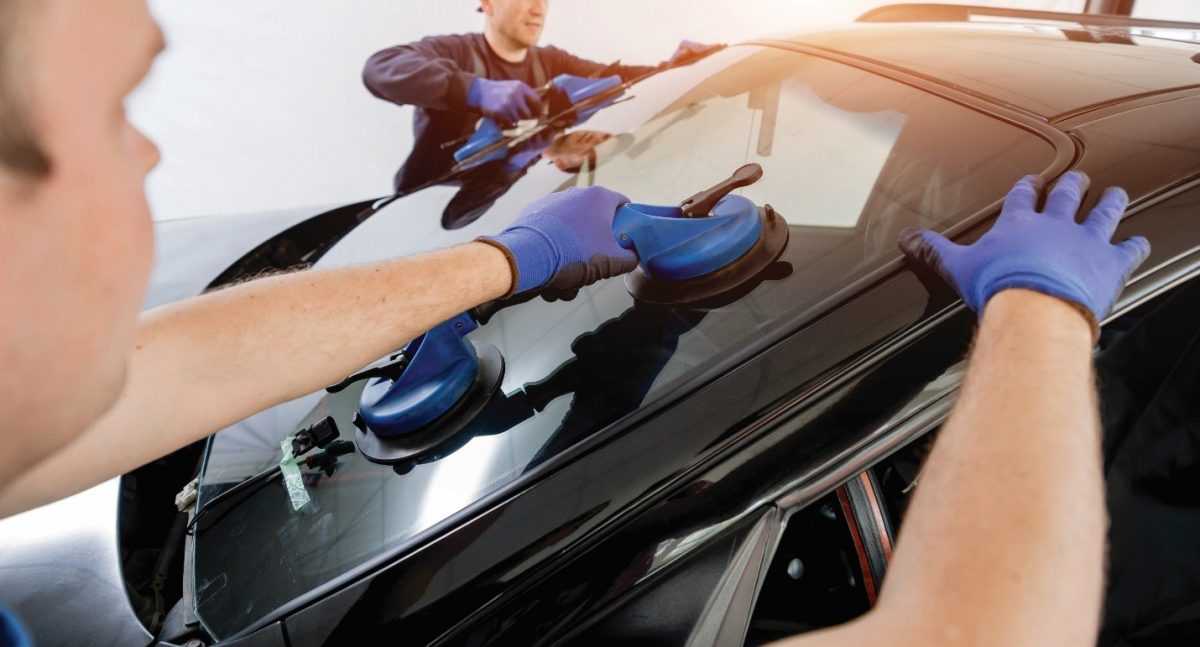
To ensure a safe and perfect windshield replacement, avoiding common mistakes is key. The top errors include improper sealing, incorrect placement, and neglecting professional help, which can lead to leaks, cracks, or compromised safety. By paying attention to detail and seeking expert assistance when needed, you can prevent costly repairs and ensure your vehicle remains secure.
In short, the most common mistakes during windshield replacement are rushing the process, not preparing the vehicle properly, and overlooking quality materials. Taking your time, following proper procedures, and using reputable parts are essential steps to a successful replacement. Staying aware of these pitfalls can save you time, money, and potential hazards on the road.
Replacing a windshield might seem straightforward, but it involves careful steps to ensure safety and durability. Many car owners underestimate the complexity, rushing through or skipping crucial steps like proper cleaning or sealing. Such errors can result in leaks, wind noise, or even dangerous cracks. Additionally, attempting to DIY without the right tools or expertise can do more harm than good, leading to costly repairs later. It’s important to understand what to avoid so your new windshield can serve its purpose effectively, keeping you safe and maintaining the integrity of your vehicle.

Common mistakes to avoid during windshield replacement
Choosing an inexperienced technician
Selecting a technician without proper experience can lead to mistakes that cost you money and safety. An inexperienced technician may not handle the windshield carefully or follow proper procedures. Always check reviews and verify their certifications before hiring someone.
Using the wrong type of adhesive
The adhesive used to bond the windshield must be compatible with your vehicle. Using the wrong type can cause leaks, poor adhesion, or windshield detachment. Ensure the technician uses manufacturer-recommended adhesives like urethane sealants.
Skipping proper surface preparation
Before installing the new windshield, the surface must be thoroughly cleaned and dried. Dirt, old adhesive residue, or moisture can prevent proper bonding. Proper preparation ensures a strong, lasting seal and reduces the risk of leaks.
Failing to remove all old adhesive and debris
Leaving old adhesive or debris on the frame can interfere with the new seal. This oversight can lead to air or water leaks and compromise safety. The technician should meticulously clean the frame before applying the new adhesive.
Incorrect placement of the windshield
Installing the windshield in the wrong position can affect visibility and safety. Misalignment may cause glare issues, improper fit, or even damage to the vehicle. Careful measurement and alignment are essential during installation.
Pay attention to the fit and gap
A proper fit ensures the windshield sits flush with the vehicle body, providing strength and preventing leaks. Gaps should be minimal and uniform around the edges. Precision in fitting supports the vehicle’s structural integrity.
Not following the curing time for adhesives
Rushing the curing process can weaken the bond between the windshield and the vehicle. It is crucial to allow the adhesive to cure fully according to the manufacturer’s instructions. This step ensures safety and durability.
Ignoring weather conditions during installation
Extreme temperatures, high humidity, or rain can affect the adhesive curing process. Scheduling the replacement during mild, dry weather improves the chances of a proper seal. Technicians should also take weather into account during installation.
Neglecting proper safety precautions
Handling glass and adhesives involves safety risks. Failing to wear protective gear such as gloves and eye protection can lead to injuries. Always prioritize safety by following proper handling procedures during the replacement process.
Overlooking post-installation inspections
After installing the windshield, inspecting for leaks, proper fit, and clear visibility is vital. Skipping this step can result in unnoticed issues that affect safety and performance. A thorough check ensures the windshield functions correctly.
Ignoring manufacturer guidelines and specifications
Each vehicle model has specific requirements for windshield replacement. Ignoring these can lead to improper installation and safety concerns. Technicians must adhere to manufacturer instructions for best results.
Failing to address underlying issues
Cracks or chips around the windshield area might weaken the frame, affecting installation quality. Addressing these issues beforehand prevents future problems. Always assess the surrounding area for damage before replacing the glass.
Using substandard or cheap materials
Opting for low-quality adhesives or replacement glass can compromise safety and durability. Always choose high-quality, industry-approved materials. Investing in quality parts ensures a longer-lasting, safer windshield.
Inadequate training of the replacement team
Proper training is essential for technicians to perform precise and safe windshield replacements. An untrained team may skip crucial steps or make errors. Always verify that the team has appropriate training and certifications.
Overlooking the importance of OEM parts
Original Equipment Manufacturer (OEM) parts are designed specifically for your vehicle. Using aftermarket or incompatible parts can cause fitment issues and safety risks. Request OEM parts when possible for the best fit and performance.
Neglecting the vehicle’s manual and specifications
Every vehicle has specific instructions for windshield replacement noted in the owner’s manual. Ignoring these can lead to improper installation. Technicians should always follow the manufacturer’s guidelines.
Avoiding these common mistakes during windshield replacement ensures the safety, longevity, and performance of your vehicle’s glass. Proper selection of skilled technicians, quality materials, and adherence to correct procedures are vital. Taking these steps helps prevent future problems and keeps you safe on the road.
Avoid These Common Mistakes When Your Auto Glass Is Damaged
Frequently Asked Questions
What are the common rookie mistakes made during windshield installation?
New technicians often rush the process, which can lead to improper adhesive application or misalignment of the glass. Failing to clean the surface thoroughly before installation can also cause poor adhesion and leaks. Additionally, neglecting to check for proper curing time of the adhesive may result in compromised strength and safety of the windshield once installed.
How can improper handling of the windshield lead to problems?
Handling the glass with care is essential; improper handling can cause cracks, chips, or scratches that compromise the integrity of the windshield. Using inadequate lifting tools or gripping the glass unevenly may generate stress points, increasing the risk of breakage during or after installation. Always use suitable equipment and support the glass evenly to avoid damage.
Why is it important to avoid rushing the calibration process after replacing a windshield?
Many modern vehicles require sensor calibration after windshield replacement to ensure proper functioning of driver-assistance systems. Skipping or rushing this step can result in inaccurate sensor readings, affecting safety features like lane-keeping or collision avoidance. Always schedule proper calibration procedures to maintain vehicle safety and system accuracy.
What mistakes should be avoided when preparing the vehicle for windshield replacement?
Neglecting to remove debris, dirt, and old adhesive residues from the frame can prevent the new windshield from bonding properly. Failing to protect surrounding areas, like the interior trim or dashboard, can lead to damage or paint chips. Carefully cleaning and preparing the vehicle ensures a secure fit and prevents future leaks or issues.
How does incorrect adhesive application impact windshield durability?
An uneven or insufficient application of adhesive can cause weak points, leading to potential leaks, wind noise, or even the windshield detaching under stress. It is crucial to apply the adhesive evenly along the bonding surface and follow manufacturer guidelines for curing times to guarantee a durable installation.
Final Thoughts
Common mistakes to avoid during windshield replacement include rushing the process or neglecting proper surface preparation. Ensure the windshield is correctly aligned and securely glued for safety reasons. Overlooking manufacturer guidelines can lead to poor adhesion or future leaks. Paying attention to these details helps prevent costly repairs and guarantees a durable installation.

- What Size Windshield Crack Can Be Repaired? - August 4, 2026
- How Long Glass Coatings Last, and Why Yours Stopped - August 4, 2026
- Windshield Repair vs. Replacement: When You Can Fix It and When You Can’t - July 12, 2026