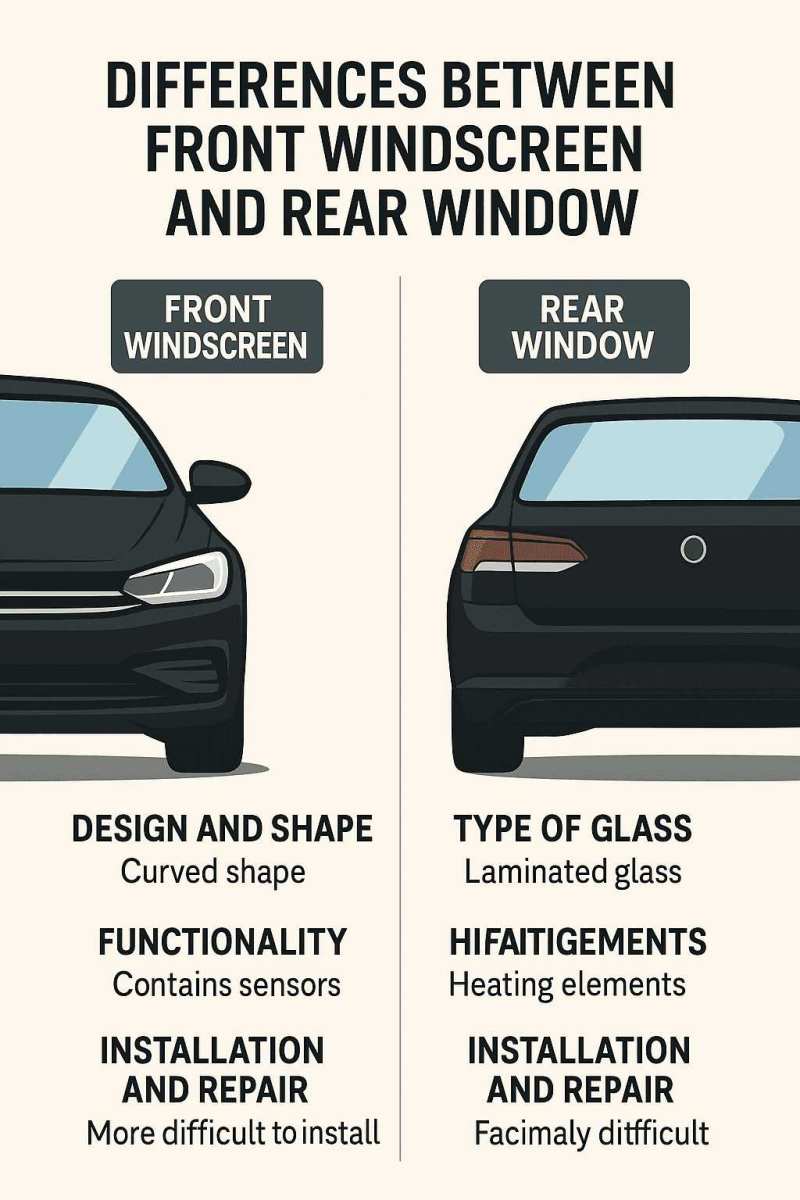
To install a laminated rear windshield quickly and securely, start by carefully removing the old glass, then clean the area thoroughly. Next, apply primer and adhesive, position the new windshield precisely, and secure it until the adhesive sets. With patience and attention to detail, you can achieve a professional finish at home.
Installing a laminated rear windshield may seem daunting, but with the right tools and steps, it’s entirely doable. The key is to handle the glass carefully, ensure the frame is spotless, and follow the manufacturer’s instructions closely. A proper installation not only enhances your vehicle’s appearance but also ensures safety and durability. In this guide, we’ll walk you through each step, from removal to final placement, so you can confidently tackle this project yourself and enjoy a clear, secure view from your rear window.

How to Install Laminated Rear Windshield
Replacing a rear windshield with laminated glass requires careful preparation and the right tools. This process ensures your vehicle stays safe, looks good, and maintains its structural integrity. Follow these clear, step-by-step instructions to properly install a laminated rear windshield.
Understanding Laminated Rear Windshields
Laminated rear windshields consist of two glass layers bonded with a plastic interlayer. This design improves safety because it prevents glass shards from flying in case of breakage. Knowing what makes laminated glass different helps in handling and installation.
Tools and Materials Needed
- Laminated rear windshield
- Automotive glass adhesive or sealant
- Glass cleaner and degreaser
- Plastic scraper or putty knife
- Rubber mallet
- Painter’s tape
- Gloves and safety glasses
- Measuring tape
- Soft cloths or towels
- Vacuum or compressed air
Preparing the Vehicle for Installation
Step 1: Remove the Old Windshield
Start by carefully removing any existing glass or debris from the frame. Use a plastic scraper to avoid damaging the paint or metal. Make sure the area is clean and free of any remaining adhesive or broken glass shards.
Step 2: Clean and Inspect the Frame
Thoroughly clean the frame with a degreaser and glass cleaner. Check for rust, damage or deformities that could interfere with the new windshield’s fit. Repair any issues before proceeding to ensure proper adhesion.
Measuring and Fitting the Laminated Windshield
Step 1: Take Precise Measurements
Measure the height and width of the existing frame. Double-check your measurements to ensure the replacement windshield matches perfectly. Proper fitting prevents leaks and wind noise.
Step 2: Test Fit the Glass
If possible, hold the new laminated windshield against the frame to verify its size and shape. Adjust if necessary before gluing to avoid misalignment during installation.
Applying the Sealant and Installing the Windshield
Step 1: Apply the Adhesive Properly
Use a continuous bead of automotive-grade adhesive around the frame’s perimeter. Keep the bead consistent to prevent leaks and ensure strong bonding. It’s best to work in a well-ventilated area and follow the manufacturer’s instructions.
Step 2: Position the Laminated Windshield
Carefully lift and place the glass onto the adhesive bead. Start at one edge and gently lower it into place, ensuring it aligns correctly with the frame. Use painter’s tape to hold it temporarily in position if necessary.
Step 3: Secure and Seal the Edges
Once aligned, press down gently on the glass to ensure full contact with the adhesive. Apply additional sealant around the edges if needed for extra waterproofing and stability.
Final Steps and Curing
Step 1: Remove Excess Adhesive
Use a plastic scraper or cloth to clean away any excess adhesive while it remains soft. Be careful not to smudge or damage the glass surface.
Step 2: Allow the Sealant to Cure
Follow the manufacturer’s instructions for curing time, typically 24 to 48 hours. Avoid driving or exposing the windshield to water during this period to ensure a strong bond.
Step 3: Final Inspection
Check the installation for gaps, leaks, or misalignment. Use a dry cloth to wipe the glass and make sure it’s clear of dirt and debris. Test the stability by lightly pressing around the edges.
Additional Tips for Success
- Work in a dust-free environment to prevent particles from sticking to the adhesive.
- Wear protective gloves and glasses for safety against broken glass or glue fumes.
- Ensure the vehicle is parked on a flat surface and protected from wind or rain during installation.
- Take your time to measure and fit precisely — rushing can lead to errors and leaks.
- Follow the specific instructions provided by the manufacturer of the windshield and adhesive.
Handling Common Challenges
Dealing with Adhesive Bubbles or Gaps
If you notice bubbles or gaps after applying the adhesive, gently press the glass to re-align it. Use more sealant where necessary, and allow adequate curing time.
Addressing Misalignment
In case of misalignment, carefully remove the windshield if possible, clean off the adhesive, and reapply. Accurate measurements beforehand help prevent this issue.
Repairing Damage During Installation
If the glass gets scratched or chipped during handling, replace it immediately. Damaged glass cannot provide proper safety and may fail unexpectedly.
Related Topics for Further Learning
- Best adhesives for automotive glass
- Safety precautions when handling glass
- How to clean and maintain laminated windshields
- Differences between laminated and tempered glass in vehicles
- Professional vs DIY windshield replacement
Installing a laminated rear windshield may seem daunting, but with careful preparation and patience, it can be a manageable task. Proper handling and precise application of sealants are key to ensuring a safe, durable, and visually appealing installation. Always follow safety guidelines and manufacturer instructions for the best results.
How to Install Locking Gasket
Frequently Asked Questions
What tools are necessary for installing a laminated rear windshield?
To install a laminated rear windshield properly, you need several tools including a utility knife to remove old sealant, a rubber mallet to help seat the glass, a windshield removal tool or suction cups for handling the glass safely, a caulking gun with automotive sealant, and a clean cloth or rag. Additionally, a spray bottle with soapy water helps position the glass accurately and reduces the risk of damage during installation.
How should I prepare the vehicle surface before installing the new rear windshield?
Start by thoroughly cleaning the area around the existing opening to remove dirt, debris, and old adhesive residues. Use a glass cleaner and a lint-free cloth to ensure the surface is spotless and free of grease. Scrape away any remnants of old sealant carefully without scratching the paint or frame. Once clean, wipe the area with a damp cloth to remove any dust, and allow it to dry completely. Proper preparation ensures a strong bond and prevents leaks.
What is the correct process for applying sealant during installation?
Apply a continuous, even bead of automotive-grade sealant or urethane adhesive along the frame’s perimeter where the glass will sit. Avoid applying excessive sealant, which can cause messes or improper sealing. Once the sealant is applied, carefully position the windshield onto the frame, pressing firmly to ensure full contact. Use masking tape if needed to hold the glass in place temporarily. Allow the sealant to cure as per the manufacturer’s instructions to achieve a secure, watertight seal.
How can I ensure the laminated rear windshield is properly aligned during installation?
Use suction cup tools to hold and guide the glass into position, ensuring it aligns perfectly with the frame and adjacent panels. Before fully seating the glass, check the alignment from different angles and confirm that the edges fit precisely within the frame. If necessary, make small adjustments before the sealant begins to set. Ensuring correct alignment prevents leaks and ensures the windshield looks seamless once installed.
What safety precautions should I follow during installation?
Wear protective gloves and safety glasses to protect yourself from broken glass or sharp edges. Handle the laminated glass carefully, using suction cups to avoid dropping it. Work in a clean, well-ventilated area to prevent dust or fumes from affecting your health. Follow the manufacturer’s instructions for sealant curing times and avoid pushing or forcing the glass into place, as this could cause damage or improper sealing.
Final Thoughts
To install a laminated rear windshield, start by carefully cleaning the surface to remove dirt and debris. Then, position the new windshield accurately and secure it with clips or tape. Apply adhesive evenly along the edges, ensuring a tight seal. Finally, let the adhesive cure as recommended before driving.
In conclusion, knowing how to install laminated rear windshield requires attention to detail and patience. Follow these steps precisely to ensure a secure fit and proper adhesion. Proper installation enhances safety and durability.

- What Size Windshield Crack Can Be Repaired? - August 4, 2026
- How Long Glass Coatings Last, and Why Yours Stopped - August 4, 2026
- Windshield Repair vs. Replacement: When You Can Fix It and When You Can’t - July 12, 2026