What Markers Work On Glass A Complete Guide
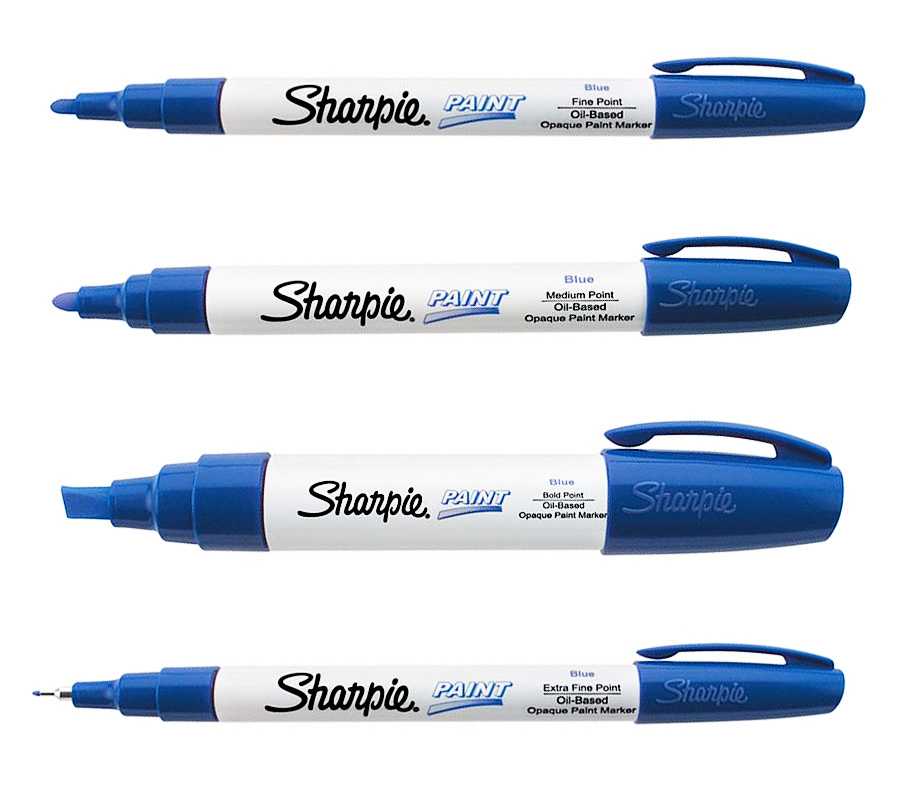
Markers that work on glass include oil-based, paint markers, and specialized glass markers. These types of markers provide vibrant, durable designs that stick well to smooth, non-porous surfaces like glass, making them perfect for decorating, labeling, or creating art on glassware.
If you’re wondering which markers will give you clear, long-lasting marks on glass, the answer is usually oil-based or paint markers designed specifically for non-porous surfaces. These markers adhere firmly and resist smudging, so your artwork or labels stay put. Choosing the right marker depends on your project — whether it’s for permanent decoration or temporary fun.
Decorating or customizing glass surfaces can be incredibly rewarding, but choosing the right marker is key to achieving professional-looking results. Glass is a tricky surface because its non-porous, smooth nature makes it resistant to many ink types. Fortunately, there are several options that work well for writing, drawing, or embellishing glass items, from wine glasses to jars and windows. Selecting the right marker ensures your designs are vibrant, durable, and resistant to smudging or washing off. Whether you’re engaging in craft projects, creating personalized gifts, or labeling glassware for practical use, knowing which markers work best can make all the difference in your creative process.

What Markers Work on Glass: A Complete Guide
Choosing the right markers for glass surfaces can seem tricky at first. Different markers are designed to work with various materials, and glass requires specific types for best results. In this guide, we will explore which markers are suitable for glass, their features, and how to use them effectively to achieve your desired designs.
Types of Markers That Work on Glass
Permanent Markers
Permanent markers are popular for their durability and resistance to water and rubbing. They often contain ink made with solvent-based formulas that adhere well to glass. Brands like Sharpie and Staedtler offer permanent markers that work effectively on glass surfaces.
Paint Markers
Paint markers are formulated with opaque, vibrant ink that provides excellent coverage on glass. They usually contain acrylic or oil-based paint, making them perfect for decorative projects. Brands such as Posca and Sharpie Oil-Based Paint Markers are widely recommended.
Glass Markers
Some brands specifically produce markers designed for glass. These markers often have special tips and ink formulations that allow smooth application and long-lasting results. Look for products labeled as “glass markers” for best performance.
Chalk Markers
Chalk markers are a fun option for temporary designs on glass surfaces like windows or mirrors. They typically contain water-based, non-permanent ink that can be wiped off easily. Brands like Chalkola and SINYON offer reliable chalk markers for glass.
Features to Look for in Markers for Glass
Adhesion and Durability
The most important feature is how well the ink sticks to glass. Markers with solvent or acrylic bases tend to stick better and last longer. Consider using markers with fade- and water-resistant qualities for long-term projects.
Opacity and Color Range
For vibrant and visible designs, choose markers with high opacity. Paint markers generally offer the most striking colors, while permanent markers also come in a wide variety of shades suitable for different projects.
Tip Size and Shape
The type of tip influences your control and detail work. Fine tips are ideal for intricate drawings and lettering, while broader tips suit filling larger areas or creating bold designs. Select markers with tips that match your project needs.
Ease of Use and Safety
Markers should be comfortable to hold and easy to use. Also check that they are non-toxic, especially if children or students will use them. Brands often specify if their markers are safe for indoor and children’s use.
How to Use Markers on Glass Effectively
Preparing the Surface
Clean your glass thoroughly to remove dirt, grease, and fingerprints. Use rubbing alcohol or glass cleaner for a smooth, clean surface that allows the ink to adhere properly.
Testing Before Final Art
Test your chosen marker on a small, inconspicuous area first. This step helps you gauge how the ink behaves on your glass and whether it meets your color and opacity expectations.
Applying the Marker
Hold the marker steadily and apply light, consistent pressure. For detailed work, use fine tips and work slowly. Layer colors if needed, allowing each layer to dry before applying the next.
Sealing and Protecting Your Design
If you want your artwork to last longer, seal it with a clear spray sealant suitable for glass. Make sure the sealant is compatible with your marker type—test it first on a small area.
Additional Tips for Successful Glass Marking
Allow Proper Drying Time
Give your artwork ample time to dry to prevent smudging. Drying times vary depending on the marker type, typically ranging from a few minutes to several hours.
Handling and Cleaning
Handle glass carefully to avoid smudging your work. For cleaning, use a soft cloth and glass cleaner to remove excess or accidental marks without damaging the design.
Creating Temporary or Reusable Designs
Chalk markers and some water-based markers are perfect for temporary designs that you can easily erase or modify later. Use these markers for interactive or seasonal projects.
Popular Brands and Their Features
| Brand | Type | Key Features |
|---|---|---|
| Sharpie | Permanent & Paint Markers | High-quality ink, wide color range, waterproof |
| Posca | Paint Markers | Opaque, vibrant colors, suitable for detailed work |
| Chalkola | Chalk Markers | Water-based, erasable, good for temporary designs |
| STABILO | Glass & Chalk Markers | Non-toxic, easy to use, quick-drying |
Related Topics to Explore
- Best surfaces for using glass markers
- How to remove and fix mistakes on glass art
- Creative project ideas with glass markers
- Comparing permanent and temporary markers for glass
- Safety tips when working with solvent-based markers
Understanding which markers work on glass helps you create beautiful, lasting designs or temporary decorations effortlessly. Choosing the right type based on your project needs, surface, and desired outcome ensures success with your glass art endeavors. Whether you’re making personalized gifts, decor, or fun crafts, selecting quality markers guarantees vibrant, professional-looking results every time.
What Pens Work Best on Acrylic/Plexiglass? #shorts
Frequently Asked Questions
What types of markers are best suited for creating detailed designs on glass surfaces?
Fine-tip oil-based or acrylic-based markers work best for creating detailed designs on glass. They provide precision and vibrant color, making intricate artwork easier to achieve without smudging or bleeding. Brands like Sharpie and Posca offer reliable options that adhere well to smooth glass surfaces.
Can standard permanent markers be used effectively on glass? Are there any limitations?
Standard permanent markers can be used on glass for simple projects. However, they may not provide the durability or vibrant color payoff that specialized glass markers offer. Additionally, permanent markers might smudge or fade over time or when washed, limiting their effectiveness for long-term or detailed work.
Are there specific markers designed for use on frosted or textured glass? How do they perform?
Markers designed for frosted or textured glass typically feature opaque or semi-opaque ink with a tip suitable for uneven surfaces. These markers perform well by adhering to textured surfaces and maintaining visibility. Brands like Pebeo and Chalky Finish Markers work effectively for decorating textured or frosted glass, providing a consistent application even on uneven surfaces.

Similar Posts