What Markers Stay On Glass Best For Long-Lasting Results
Markers like oil-based or permanent markers are the best choices for staying on glass and resisting smudges or washes. Using the right markers ensures your designs or messages remain vivid and intact on a smooth, non-porous surface like glass.
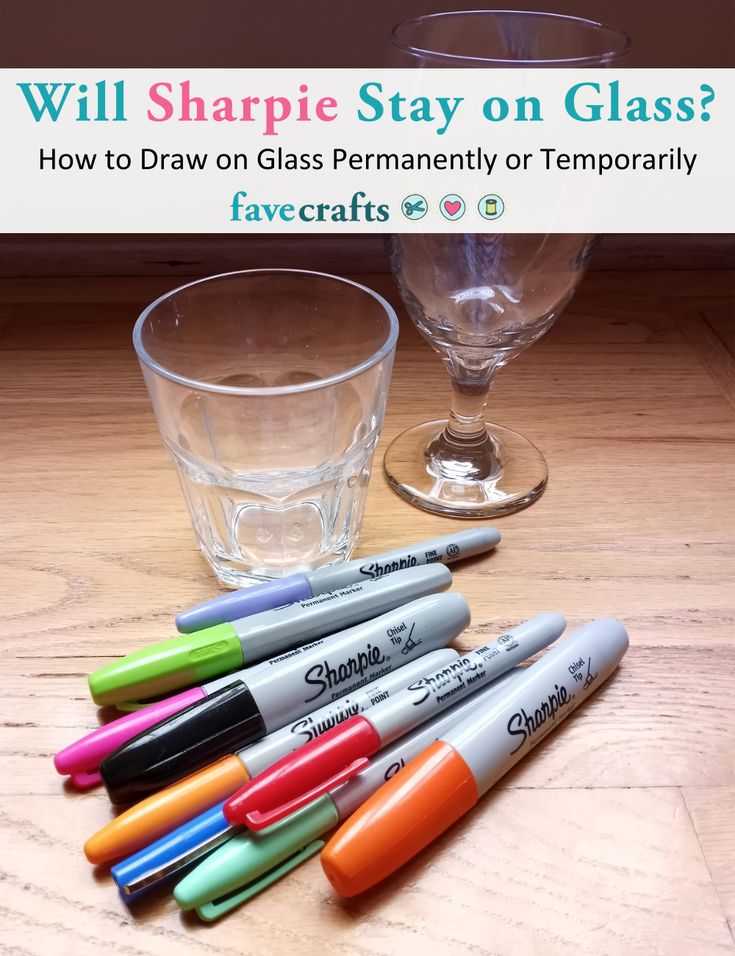
Permanent markers, especially oil-based or alcohol-based types like Sharpie, are the best for staying on glass. They are designed to adhere strongly to non-porous surfaces, making your artwork or writing last longer without smudging or washing away easily.
If you want your marker ink to stay put on glass, opt for permanent or oil-based markers. These markers are formulated to bond well with slick surfaces, ensuring your designs remain vibrant and durable over time. Remember to clean the glass thoroughly before applying, and for extra staying power, you can even bake or seal your artwork afterward.

What Markers Stay on Glass: A Complete Guide to Choosing the Right Markers for Glass Surfaces
Introduction to Markers that Stay on Glass
When you want to decorate or label glass surfaces, choosing the right marker is essential. Not all markers will stay on glass, and some may smudge or easily wash away. This guide explains which markers work best for glass and what features make them suitable. You will learn about permanent, erasable, and specialty markers designed specifically for glass surfaces.
Types of Markers That Stay on Glass
There are several types of markers that can stick to glass effectively. Each type has unique properties, making them suitable for different purposes. The three main categories include permanent markers, glass paint markers, and dry-erase markers.
Permanent Markers for Glass
Permanent markers are widely used for glass because they create long-lasting marks. They contain ink that bonds tightly with glass surfaces and resist water, smudging, or fading over time. Popular brands include Sharpie, BIC, and Pilot.
Glass Paint Markers
Glass paint markers are designed specifically for craft projects involving glass. They contain opaque, vibrant paint-like ink that adheres well to glass surfaces. These markers often require baking or air drying but produce durable, professional-looking designs.
Dry-Erase or Whiteboard Markers
While traditional whiteboard markers are not typically permanent, some low-odor, special formulas can stick temporarily to glass. These are ideal for areas where frequent updates are needed but are not suitable for permanent designs.
Key Features of Markers That Stay on Glass
Understanding the features helps in selecting the right marker for your needs. Look for markers with the following attributes:
- Water Resistance: Ensures the marker’s ink stays intact even when exposed to moisture.
- Fade Resistance: Prevents designs from fading over time or with exposure to sunlight.
- Ease of Use: Markers should have a comfortable tip, allowing precise lines and details.
- Drying Time: Faster drying markers prevent smudging and accidental smears.
- Removability or Durability: Depending on your purpose, you might want markers that can be easily removed or stay permanently.
Best Markers for Permanent Glass Writing and Decorating
For permanent markings on glass, such as signage, labels, or art, you want markers that are both waterproof and fade-proof.
Popular Permanent Markers for Glass
These markers are reliable choices:
- Sharpie Oil-Based Paint Markers: Offer vibrant, opaque color and excellent adhesion on glass. They are suitable for both indoor and outdoor use.
- Sakura Solid Markers: Provide a rich, bold effect with a durable finish. They are great for art projects and decorative designs.
- Uni Posca Markers: Known for their bright colors and water resistance, perfect for creative projects on glass surfaces.
Tips for Using Permanent Markers on Glass
– Clean the glass thoroughly before starting to ensure good adhesion.
– Use a steady hand for precise lines or detailed designs.
– Allow sufficient drying time to prevent smudging.
– For extra durability, consider sealing the design with a clear spray or varnish.
How to Use Glass Paint Markers Effectively
Glass paint markers are excellent for colorful designs and artistic work. They often require heat setting or air drying.
Application Tips
– Shake the marker well before use.
– Test on a small area first to see how it adheres and dries.
– Keep the nibs clean for consistent ink flow.
– After applying, let the paint dry completely before handling.
– For permanent designs, follow the manufacturer’s instructions for baking or curing.
Temporary Markers for Glass
Temporary markers are helpful when you need to write on glass for short-term purposes. They are easy to remove and clean off without damaging the surface.
Best Temporary Markers
- Dry-Erase Markers: Suitable for whiteboards, glass boards, and smooth glass surfaces.
- Chalk Markers: Offer a chalk-like appearance and are erasable with a damp cloth. Ideal for window displays or art projects.
How to Remove Markings from Glass
– Use a damp cloth or paper towel for quick cleaning.
– For stubborn ink, a mixture of rubbing alcohol or glass cleaner can remove residual marks.
– Avoid abrasive scrubbers that might scratch the glass surface.
Choosing the Right Marker Based on Purpose
Different projects require different types of markers. Here’s a quick guide:
| Purpose | Recommended Markers | Additional Notes |
|---|---|---|
| Decorating windows | Chalk markers, permanent glass markers | Use removable markers for easy cleanup |
| Creating art or signage | Paint markers, oil-based markers | Long-lasting, vibrant colors |
| Temporary messages | Dry-erase markers, chalk markers | Email or wash away easily |
| Labeling glass jars or bottles | Permanent markers or oil-based paint markers | Ensure labels are durable and water-resistant |
Additional Tips for Using Markers on Glass
– Always clean the glass surface thoroughly before writing.
– Test the marker on a small, inconspicuous area first.
– Store markers horizontally to prevent drying out.
– Use fine tips for detailed work; broader tips for filling large areas.
– Be patient and let ink dry completely to avoid smudges.
Choosing the right markers for glass depends on your project needs. Permanent markers like Sharpie or Posca deliver long-lasting designs, while paint markers provide vibrant, professional finishes. Temporary markers like chalk or dry-erase are perfect for short-term displays. Think about whether you need durability, color vibrancy, or easy removal when selecting your markers. With the right tools, you can create beautiful, lasting decorations or labels on glass surfaces, making your projects both functional and attractive.
Do Posca Pens work on GLASS?! Drawing with Posca Pens
Frequently Asked Questions
Which types of markers are best suited for writing on glass surfaces?
Markers labeled as glass markers or paint markers designed for glass work best. They are formulated to adhere to smooth, non-porous surfaces like glass, providing vibrant colors and durability. Oil-based or solvent-based markers often offer longer-lasting results without smudging or washing away easily.
What techniques can help ensure marker ink stays on glass for a longer period?
To increase the longevity of marker ink on glass, clean the surface thoroughly before application to remove grease or dirt. Use even strokes and apply multiple layers if necessary. Allow the ink to dry completely, and avoid touching or cleaning the surface immediately after writing. Sealing the design with a clear, waterproof sealant can also help it stay intact longer.
Are there specific cleaning methods that remove marker ink from glass without damaging the surface?
Yes, gentle cleaning with alcohol-based solutions or glass cleaners usually lifts marker ink without scratching the glass. Use a soft cloth or sponge to avoid abrasion. For stubborn marks, apply the cleaner, let it sit briefly, and then wipe gently. Avoid harsh scrubbing or abrasive tools to preserve the clarity of the glass surface.
Can regular permanent markers be used on glass, and will they stay put?
Regular permanent markers can be used on glass but may not offer the same durability as markers specifically designed for glass surfaces. They tend to adhere well initially but might smudge or wash away over time or with cleaning. For projects requiring long-lasting results, opt for glass-specific markers or paint markers.

Similar Posts