Laminated glass is a game-changer when it comes to safety and durability. Its unique construction gives it remarkable properties that make it ideal for a variety of applications, from car windshields to skyscraper windows. These properties ensure the glass stays intact even when shattered, offering protection and security.
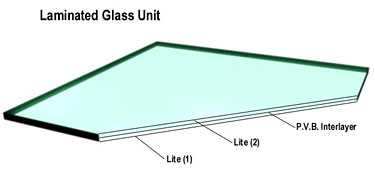
Laminated glass consists of two or more glass layers bonded with a plastic interlayer, usually polyvinyl butyral (PVB). This combination enhances its strength, safety, and soundproofing qualities. Its ability to absorb impact, resist breakage, and prevent dangerous shards from dispersing makes it a reliable choice wherever safety is a priority.
If you want to understand what makes laminated glass stand out, knowing its key properties like safety, strength, and sound insulation is essential. These features not only improve safety but also add functionality and peace of mind in both residential and commercial settings, making laminated glass a smart investment in protective window solutions.

What Are Laminated Glass Properties
Understanding the properties of laminated glass is essential for choosing the right material for windows, doors, or safety barriers. Laminated glass combines multiple layers of glass with a special plastic interlayer that gives it unique characteristics. These properties make laminated glass a popular choice in homes, cars, and high-security buildings. Let’s explore these properties in detail to see why laminated glass stands out.
Basic Composition of Laminated Glass
Laminated glass consists of at least two pieces of glass bonded together with a layer of polyvinyl butyral (PVB) or other similar plastics. This interlayer is crucial because it influences many of the glass’s key properties. The layers are fused during the manufacturing process, creating a single, sturdy piece of glass.
Impact Resistance and Safety Features
One of the most notable properties of laminated glass is its ability to withstand impacts. When struck with force, the glass may crack but will typically hold together because the plastic layer keeps the pieces bonded. This prevents shards from falling, making laminated glass safer in case of accidents or break-ins.
How Impact Resistance Works
The plastic interlayer absorbs energy during an impact. It prevents the glass from shattering into dangerous fragments. This feature makes laminated glass ideal for car windshields, where safety is critical.
Benefits for Security and Protection
Laminated glass’s impact resistance helps protect against forced entry, vandalism, or even projectiles. Its strength makes it resistant to breaking under normal conditions, providing an added layer of security.
Sound Insulation Capabilities
Laminated glass also offers excellent soundproofing qualities. The plastic layer acts as a barrier that dampens noise from outside, reducing sound transmission.
How Sound Insulation Works
The thick plastic interlayer disrupts sound waves, preventing them from passing through easily. This property helps maintain a quiet indoor environment even when noise outside is loud.
Applications in Commercial and Residential Settings
Many offices and homes use laminated glass for windows and doors to create peaceful living and working spaces. Its soundproofing qualities are especially valuable in busy urban areas.
UV Protection and Glare Reduction
Laminated glass can block most ultraviolet (UV) rays, protecting interiors from sun damage. Additionally, it reduces glare, making indoor spaces more comfortable.
UV Blocking Capabilities
The plastic interlayer absorbs or reflects UV rays, preventing them from reaching interior furnishings, fabrics, or artwork. This prolongs the lifespan of interior decor.
Glare Reduction Benefits
Besides UV protection, laminated glass minimizes glare from the sun or headlights. This helps improve visibility and comfort inside buildings or vehicles.
Optical Clarity and Transparency
Laminated glass maintains high levels of optical clarity, ensuring clear views without distortions. This makes it suitable for windows, skylights, and displays.
Maintaining Visual Quality
Advanced manufacturing techniques ensure the interlayer does not impair transparency. The result is glass that looks clear and natural, with no visible distortions or cloudy patches.
Color and Tint Options
Laminated glass can be produced with various tints and colors to match aesthetic preferences or improve energy efficiency. The choice of interlayer influences the final appearance.
Thermal Insulation and Energy Efficiency
Laminated glass can improve a building’s energy performance by providing better insulation. It reduces heat transfer, helping maintain comfortable indoor temperatures.
How Laminated Glass Enhances Energy Efficiency
The interlayer acts as an insulator, reducing the transfer of heat between indoors and outdoors. This can lead to lower heating and cooling costs.
Enhanced Thermal Performance with Coatings
Applying reflective or low-emissivity coatings further boosts thermal insulation. This helps save energy and reduces greenhouse gas emissions.
Durability and Weather Resistance
Laminated glass is highly resistant to weather conditions such as wind, rain, and temperature fluctuations. Its toughness ensures long-lasting performance.
Resistance to Environmental Stress
The plastic layer protects the glass from environmental damage like corrosion or UV deterioration. This extends the lifespan of the glass in outdoor applications.
Maintenance and Cleaning
Laminated glass is easy to clean and maintain. Its smooth surface resists dirt buildup and can be kept clear with regular cleaning.
Design Flexibility and Aesthetic Options
Laminated glass offers diverse design options, allowing architects and designers to customize appearance and functionality.
Variety of Thicknesses and Styles
Manufacturers produce laminated glass in various thicknesses to suit different structural needs. It can be beveled, shaped, or textured for aesthetic effect.
Decorative and Artistic Uses
Color tints, patterns, and etchings can be incorporated into laminated glass, making it a versatile choice for decorative projects.
Fire Resistance and Safety Standards
Certain laminated glass types are designed to withstand fire or heat, offering extra safety in critical areas.
Fire-Resistant Laminated Glass
Special coatings and interlayer materials enable laminated glass to resist heat and prevent the spread of flames, aligning with safety regulations.
Compliance with Safety Regulations
Laminated glass meets various building safety codes, ensuring it provides adequate protection in different environments.
Environmental Impact and Sustainability
Laminated glass is environmentally friendly, especially when made with recyclable materials, and contributes to sustainable building practices.
Recyclability and Eco-Friendliness
The glass and plastic layers can often be recycled, reducing waste and environmental footprint. Manufacturers are increasingly adopting eco-conscious processes.
Energy Saving Potential
As mentioned earlier, its thermal insulation helps conserve energy, contributing to greener buildings.
Summary of Laminated Glass Properties
- High impact resistance and enhanced safety
- Excellent sound insulation
- UV protection and glare reduction
- Outstanding optical clarity with various aesthetic options
- Thermal insulation capabilities for energy efficiency
- Weather resistance and durability
- Design flexibility for artistic and functional applications
- Fire safety features in specialized types
- Sustainable and recyclable manufacturing processes
Laminated glass’s diverse properties make it a versatile, safe, and eco-friendly choice for many projects. Its unique combination of strength, safety, and aesthetic appeal helps it stand out in the world of modern glazing solutions.
Architectural glass: properties and benefits of laminated glass
Frequently Asked Questions
How does laminated glass perform in terms of safety during breakage?
Laminated glass is designed to hold together when shattered, preventing dangerous shards from dispersing. The interlayer maintains the integrity of the glass, reducing the risk of injury during impacts or accidents. This property makes it a preferred choice for areas requiring enhanced safety measures.
What are the insulation properties of laminated glass?
Laminated glass offers good thermal insulation, helping to regulate indoor temperatures and reduce energy consumption. The air or insulating gases trapped between the layers minimize heat transfer, which can contribute to lower heating and cooling costs over time.
Can laminated glass reduce noise transmission?
Yes, laminated glass helps diminish noise from external sources. The multiple layers and the interlayer absorb sound vibrations, creating a quieter indoor environment. This feature is especially beneficial for buildings located in noisy urban settings or near busy roads.
How resistant is laminated glass to impact and vandalism?
Laminated glass exhibits high resistance to impacts and vandalism. Its layered structure absorbs and disperses energy from blows, making it difficult to break through easily. This durability increases security and minimizes the need for frequent replacements.
Does laminated glass have any advantages regarding UV protection?
Laminated glass can block a significant amount of harmful ultraviolet rays, protecting interior furnishings and occupants from UV-related damage. This property helps maintain the longevity of interior décor and improves occupant comfort.
Final Thoughts
Laminated glass offers exceptional safety, as the interlayer holds shards together in case of breakage. It also provides excellent sound insulation, reducing noise transmission. Additionally, laminated glass can block harmful UV rays and improve energy efficiency.
What are laminated glass properties? They include safety, durability, noise reduction, UV protection, and energy efficiency. These characteristics make laminated glass a versatile choice for various applications.

- What Size Windshield Crack Can Be Repaired? - August 4, 2026
- How Long Glass Coatings Last, and Why Yours Stopped - August 4, 2026
- Windshield Repair vs. Replacement: When You Can Fix It and When You Can’t - July 12, 2026