Is Laminated Glass Better Than Tempered Glass For Safety
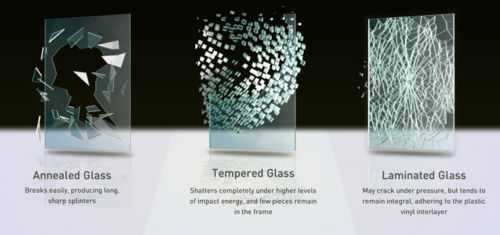
Laminated glass is generally better than tempered glass when safety and durability are priorities. It offers superior resistance to impact, reduces the risk of shattering into dangerous shards, and provides better security and sound insulation. Conversely, tempered glass is stronger than regular glass and shatters into small, less dangerous pieces, but it’s more prone to breaking under extreme force.
In short, laminated glass is a safer and more durable option for many applications like car windshields, skylights, and windows where safety is crucial. Tempered glass, however, is ideal when shattering into small pieces is preferred or for situations requiring quick manufacturing and cost efficiency. Understanding their differences helps in choosing the right glass for your needs.
Choosing between laminated and tempered glass depends on what you prioritize: safety, strength, or cost. Laminated glass’s ability to hold together upon impact makes it a better choice for settings requiring maximum safety and security. Tempered glass remains popular for its strength and affordability, but when safety is paramount, laminated glass often wins out.

Is Laminated Glass Better Than Tempered Glass?
Understanding the Basics of Laminated and Tempered Glass
Laminated glass and tempered glass are both popular choices for windows, doors, and other glass applications. Laminated glass consists of two or more layers of glass bonded together with an interlayer, usually made of polyvinyl butyral (PVB). Tempered glass, on the other hand, is heat-treated to increase its strength and safety.
While they may look similar, these types of glass serve different purposes and offer different benefits. Knowing these key differences helps in choosing the right glass for your needs.
Strength and Durability: How Do They Compare?
Laminated glass is known for its high strength because of the interlayer that holds the glass layers together. If broken, laminated glass tends to crack without shattering into jagged pieces, making it safer.
Tempered glass is about four times stronger than ordinary glass. When broken, it shatters into small, blunt pieces that are less likely to cause injury.
In terms of durability:
- Laminated glass resists impact and can withstand more force before breaking.
- Tempered glass is better for areas with high thermal stress and where safety from breakage is a concern.
Safety Features and Breakage Behavior
Safety is a key factor when selecting glass products. Laminated glass offers superior safety features because of its ability to hold broken pieces in place, reducing the risk of injury or damage.
If someone hits laminated glass, it might crack, but it generally does not shatter into sharp fragments. This makes laminated glass ideal for windshields, skylights, and security doors.
Tempered glass, when broken, disintegrates into tiny pieces that are less dangerous. Its quick shattering can prevent the glass from causing serious injury during impact.
UV Protection and Sound Insulation
Laminated glass naturally blocks up to 99% of ultraviolet (UV) rays due to its PVB interlayer. This protects furniture, artwork, and interior decor from fading over time.
In addition, laminated glass offers better soundproofing because the interlayer dampens noise transmission. This makes it popular for offices and residential homes near busy streets.
Tempered glass, in comparison, provides minimal UV protection and sound insulation. It is mainly chosen for its strength and safety rather than for blocking UV or sound.
Cost Considerations and Installation
Laminated glass tends to be more expensive than tempered glass due to its complex manufacturing process and additional materials. The price difference can be significant, especially for large panels or custom shapes.
Installation of both types requires proper skills, but laminated glass demands extra care because of its weight and handling needs.
Despite the higher cost, many choose laminated glass because of its durability and added safety features, especially in high-risk areas.
Applications and Best Uses
Each type of glass has specific applications where it performs best. Laminated glass is ideal for:
- Windshields of vehicles
- Skylights and glass facades
- Security windows and doors
- Balustrades and balcony barriers
Tempered glass works well in:
- Bathroom doors and shower enclosures
- Tabletops and shelving
- Windows in residential and commercial buildings
- Partitions and display cases
Choosing the right glass depends on safety requirements, aesthetic preferences, and the environment where the glass will be installed.
Maintenance and Longevity
Laminated glass requires minimal maintenance but should be inspected regularly for cracks or delamination. Its lifespan can extend for decades if properly cared for.
Tempered glass also lasts long but must be handled carefully to prevent sudden breakage. Its strength makes it resistant to impacts, but once damaged, it needs replacement.
Proper cleaning with non-abrasive solutions and avoiding extreme temperature changes can prolong the life of both glass types.
Environmental Impact and Sustainability
Both laminated and tempered glasses are recyclable but manufacturing processes differ. Laminated glass involves more complex steps, potentially leading to higher energy consumption.

Similar Posts


















