Does Laminated Glass Increase Cost Of Windshield

Yes, laminated glass generally costs more than standard windshield glass. Incorporating a special layer of polyvinyl butyral (PVB) makes laminated glass pricier, but it offers better safety and durability.
Laminated glass does increase the overall cost of a windshield, but many drivers find the added safety features worth the extra expense. If you’re thinking about replacing or upgrading your windshield, understanding this cost difference can help you make an informed decision. While the initial price may be higher, the benefits of enhanced safety, reduced shattering risk, and improved UV protection often justify the investment. Whether you own a car used for daily commuting or weekend adventures, knowing how laminated glass impacts cost can help you weigh the balance between safety and budget effectively.

Does Laminated Glass Increase Cost of Windshield?
Understanding Laminated Glass and Its Composition
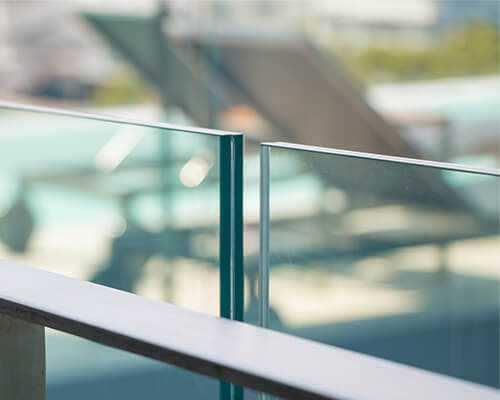
Laminated glass is made by bonding two or more glass layers with a plastic interlayer, usually polyvinyl butyral (PVB). This design helps prevent the glass from shattering into sharp pieces during impacts or accidents. It also enhances safety by holding broken glass together. Typically, laminated windshields are used in most vehicles because of these safety benefits.
Why Is Laminated Glass Common in Windshields?
Most car manufacturers prefer laminated glass for windshields because it offers better security and safety features. This type of glass reduces the risk of injuries from flying glass shards in crashes. Additionally, it provides better sound insulation and UV protection, making driving more comfortable.
Does Laminated Glass Cost More Than Standard Glass?
Yes, laminated glass usually costs more than traditional tempered or non-laminated glass. The manufacturing process involves extra materials like the plastic interlayer and additional labor. The cost difference is significant enough to impact the overall price of replacing or repairing a windshield.
Factors Contributing to the Increased Cost of Laminated Windshields
- Material Cost: The plastic interlayer, like PVB, adds to the material expenses.
- Manufacturing Complexity: The lamination process requires specialized equipment and quality control.
- Product Safety Features: Laminated glass’s safety benefits justify the higher price point.
- Additional Coatings and Layers: Some windshields add UV filters or infrared coatings, which can also increase costs.
Comparing Costs: Laminated vs. Non-Laminated Windshields
| Feature | Laminated Windshield | Non-Laminated Glass |
|---|---|---|
| Average Replacement Cost | $300 to $600 | $150 to $300 |
| Material Quality | Higher, safety-oriented | Lower, primarily cosmetic |
| Safety Level | High, prevents shards from flying | Lower, shards can scatter upon impact |
Impact of Laminated Glass on Insurance Costs
Insurance premiums may increase slightly with laminated glass because it is more expensive to replace. Some insurers factor in the higher replacement costs when calculating premiums. However, the safety features can sometimes offset this increase by lowering accident-related risks.
Will Choosing Laminated Glass Save Money in the Long Run?
Opting for laminated glass might seem costly upfront, but it offers long-term savings through benefits like increased durability and safety. It reduces the chance of windshield damage that requires frequent repairs. The additional protection against shattering can also prevent costly injuries and repairs after accidents.
Additional Costs to Consider with Laminated Glass
- Installation Fees: Specialists may charge more for installing laminated windshields due to their complexity.
- Repairs: Repairing laminated glass can be more costly compared to non-laminated options.
- Upgrades and Add-ons: Additional features like UV protection coatings or tinting can increase overall costs.
Are There Cost Differences Based on Vehicle Type?
The vehicle’s make and model influence the price of laminated windshields. Luxury or specialty vehicles often require custom or high-grade laminated glass, making it more expensive. Conversely, economy cars tend to have more affordable laminated windshield options.
Regional Variations in Laminated Glass Pricing
Prices can vary significantly depending on geographic location. Factors such as local labor costs, supplier availability, and regional regulations impact the final cost. Urban areas might have higher installation costs compared to rural regions due to labor demand.
Summary: Is the Higher Cost Justified?
While laminated glass does increase the initial cost of a windshield, its safety advantages, durability, and additional features often justify the expense. For most drivers, it provides better protection and peace of mind, making it a worthwhile investment despite the higher price tag.
Related Topics
Other safety features like advanced driver-assistance systems (ADAS) may also influence windshield costs. Some vehicles include sensors embedded in the windshield, which can add to the overall price. Understanding how these components interact with laminated glass helps in assessing total replacement costs.
Laminated glass does generally lead to an increased cost of windshields due to its manufacturing process and material composition. This expense reflects the safety, durability, and additional features offered by laminated glass. Though it might cost more upfront, many drivers find the security and long-term savings to be well worth the investment.
Cracked Windscreen Restoration!
Frequently Asked Questions
How does the use of laminated glass impact the overall windshield installation cost?
Incorporating laminated glass into a windshield generally increases the cost of installation. The material itself is more expensive than standard glass, and the additional manufacturing processes contribute to higher expenses. However, this initial investment often balances out over time with enhanced safety features and reduced repair costs.
Are there specific factors that cause laminated glass to be more costly than traditional alternatives?
Yes, the primary factors include the specialized manufacturing process that bonds polyvinyl butyral (PVB) layers between glass sheets, raising production costs. Additionally, laminated glass offers superior safety benefits, which justify the higher price. The quality and thickness of the layered material can also influence the overall expense.
In what ways does choosing laminated glass influence long-term vehicle maintenance costs?
Opting for laminated glass can reduce long-term maintenance expenses since it less likely chips or cracks compared to standard glass. Its durability decreases the frequency of replacements and repairs, which can offset the initially higher purchase price over the vehicle’s lifespan.
Does opting for laminated glass affect insurance premiums or coverage costs?
Many insurance providers recognize laminated glass‘s safety advantages and sometimes offer discounts or incentives to drivers who select this option. While the initial purchase price is higher, potential savings on insurance premiums may help balance the overall costs.
Final Thoughts
Laminated glass typically increases the overall cost of a windshield due to its layered construction and safety features. This extra layer enhances durability and safety but also adds to manufacturing expenses. Consequently, vehicle owners might see a higher upfront price when choosing laminated glass.
However, the added safety benefits can outweigh the initial costs, offering long-term value. Understanding whether laminated glass increases the cost of windshield helps consumers make informed decisions about safety and budget.

Similar Posts