How To Recognize Laminated Glass In Windows For Safety
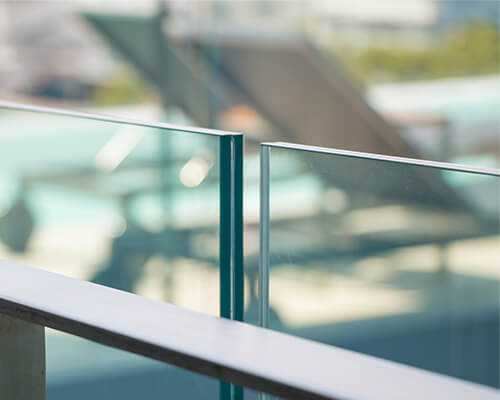
Look closely at your window—if the glass has a distinct, often wavy appearance with a plastic-like layer between two sheets, it’s likely laminated. You can also gently tap on the glass; laminated glass tends to produce a duller sound compared to regular glass. For a definitive test, try to press or cut into the glass, but always consult a professional for safety. Recognizing laminated glass is straightforward once you know its telltale signs, such as its extra layer and durability. Understanding how to identify this type of glass can help you determine if your windows are safe, secure, or need replacement. It’s a simple process that can save you time and ensure your home’s safety by knowing exactly what kind of glass you have installed.

How to Recognize Laminated Glass in Windows
Understanding What Laminated Glass Is
Laminated glass consists of two or more glass layers bonded together with a plastic interlayer, usually polyvinyl butyral (PVB). This construction makes the glass safer and more durable, especially in the event of breakage. Knowing what laminated glass looks like helps you identify it quickly and accurately.
Visual Clues to Spot Laminated Glass
One of the easiest ways to recognize laminated glass is by its appearance. When viewed from the edge, laminated glass often shows multiple layers. These distinct layers can be seen as a slight haze or a clear separation between the glass and the plastic interlayer.
Edge Inspection
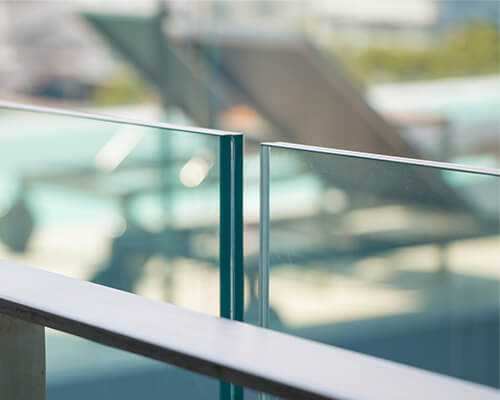
Look at the edges of a window pane. Laminated glass edges often appear thicker or have a layered look compared to regular tempered or annealed glass. Sometimes, a slight color tint or a glossy surface can also indicate lamination.
Surface Characteristics
Laminated glass generally has a smooth and glossy surface, but it may show subtle reflections that differ slightly from ordinary glass. If the glass feels unusually thick or heavy for its size, it might be laminated.
Using Physical Tests to Identify Laminated Glass
Physical tests can be very effective in confirming whether a window contains laminated glass.
Sound Test
Tap gently on the glass with a small object like a coin or a fingernail. Laminated glass produces a duller, more muted sound than regular glass, which tends to ring clearer.
Flexibility and Strength
Try to gently press or push on the glass. Laminated glass is more resistant to bending or breaking, and it often feels sturdier. Note: Always be cautious and avoid applying too much force to prevent damage.
Impact Resistance
If safe and appropriate, lightly hit the glass with a soft object. Laminated glass tends to crack differently—shattering into many small pieces rather than large shards—due to its bonding layer.
Testing with Light or Reflection
Light reflection can reveal laminated layers. When light hits laminated glass at certain angles, you may see a faint line or haze indicating the plastic interlayer.
Backlighting
Hold the glass up to a light source or shine a flashlight behind it. Laminated glass often shows a cloudy or layered appearance at the edges, unlike clear standard glass.
Refraction Differences
Observe how light bends through the glass. Laminated glass can cause slight distortions or differences in refraction, especially if the layers have different thicknesses or properties.
Advanced Methods for Identification
When simple visual and physical tests aren’t conclusive, more advanced techniques can be employed.
Use of a Glass Analyzer or Refractometer
These tools measure the refractive index of glass. Laminated glass has a distinct index value due to its plastic interlayer, making it identifiable with proper equipment.
Professional Inspection
For precise identification, consult a glass expert or use specialized testing services. Experts can perform microscopic analysis or other tests to confirm lamination.
Different Types of Laminated Glass and How They Differ
Not all laminated glass looks or behaves the same way. Understanding different types can help in recognition.
Standard Laminated Glass
This form is common in car windshields and windows, with a typical PVB interlayer visible at the edges and a characteristic weight.
Fire-Resistant Laminated Glass
Designed to withstand high temperatures, this glass sometimes integrates special interlayers that are thicker or tinted, making it slightly different in appearance.
Soundproof Laminated Glass
Incorporating multiple layers or thicker interlayers, this type often appears slightly darker or thicker and offers enhanced insulation properties.
Common Misconceptions and How to Avoid Them
Many confuse laminated glass with other types of safety glass.
Tempered Glass
Tempered glass shatters into small granular pieces and lacks layered appearance. Laminated glass remains largely intact when broken but may show surface cracks.
Insulated Glass Units
Double or triple glazed units can look similar but have sealed air spaces between panes. Laminated glass may be one of the layers within these units.
Mirror Glass
Mirrored glass is coated with reflective material but doesn’t have the layered structure of laminated glass.
Summary of Key Features for Recognition
- Appears thicker and layered at edges
- Shows a hazy or cloudy layer when viewed from the side
- Resistant to shattering with small, sharp fragments
- Produces a muted sound when tapped
- Reflects light with a subtle haze or difference in refraction
Tips for Confirming Laminated Glass
- Inspect the edges carefully under good lighting
- Perform a light test to see layered appearance
- Listen for subdued sound when tapped
- Compare weight to regular glass of similar size
- Seek professional testing if unsure
Recognizing laminated glass in windows involves careful observation of physical characteristics, reflection, and sometimes testing. Using a combination of these methods ensures accurate identification, helping you make informed decisions about glass safety and replacement options.

Similar Posts