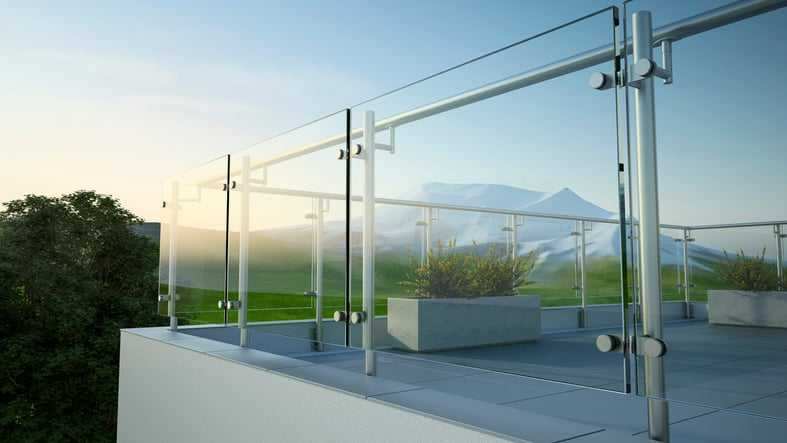
Laminated glass offers superior strength and safety, making it ideal for security and high-impact areas, while polycarbonate is lighter and more flexible, perfect for versatile and quick installations. If you’re choosing between the two for your project, consider your specific needs for durability, safety, weight, and cost. Both materials have unique benefits, but understanding their differences helps in making the best choice.
Laminated glass is incredibly strong and provides excellent security, sound insulation, and UV protection, making it a top choice for buildings and automotive applications. Polycarbonate, on the other hand, is more lightweight, impact-resistant, and easier to shape, suited for fields like eyewear, skylights, or protective barriers. Your decision should hinge on the application’s safety, weight, and environmental factors.
In a world where safety and practicality often clash, choosing the right material can feel overwhelming. Laminated glass and polycarbonate are commonly compared for their protective qualities and versatility. While laminated glass excels in durability and safety, polycarbonate shines with its flexibility and lightness. Understanding these differences allows you to select the material best suited to your needs, whether for a high-security window or a lightweight protective shield.

Laminated Glass vs Polycarbonate: Which Material Is Better for Your Needs?
Understanding Laminated Glass and Polycarbonate
Laminated glass and polycarbonate are two common materials used in windows, skylights, and safety barriers. Both provide strength and safety but differ in composition and performance. Laminated glass consists of two layers of glass bonded with a plastic interlayer, usually polyvinyl butyral (PVB), making it heavier and more rigid. Polycarbonate, on the other hand, is a type of thermoplastic that is lightweight, flexible, and known for its impact resistance.
Material Composition and Manufacturing Process
Laminated glass is made by layering sheets of glass with a plastic film in between. The assembly is then heated and pressed to bond the layers together permanently. Its solid glass core provides excellent optical clarity and durability. Polycarbonate is produced through a process called polymerization, creating a transparent plastic sheet that can be molded into different shapes and thicknesses.
Impact Resistance and Safety Features
- Laminated Glass
- Offers high impact resistance; when broken, the glass shatters into small, blunt pieces that stay adhered to the plastic layer, reducing the risk of injury.
- Polycarbonate
- Remarkably tough; can withstand impacts from objects such as baseballs or hail without cracking or breaking completely. It is often used in riot shields and safety glasses.
Both materials provide safety benefits but differ in their impact resistance levels. Polycarbonate typically outperforms laminated glass in high-impact situations.
Optical Clarity and Light Transmission
Laminated glass provides excellent optical clarity, making it ideal for applications where natural light and clear views matter. Its glass layers transmit light with minimal coloration or distortion. Polycarbonate, while transparent, may have a slight haze or yellowish tint over time, which can affect light quality.
Durability and Weather Resistance
- Laminated Glass is resistant to weathering, UV rays, and temperature fluctuations, maintaining its appearance over many years. However, the plastic interlayer can degrade if exposed to prolonged UV radiation without protective coatings.
- Polycarbonate is highly resistant to impacts and can sustain harsh weather conditions. However, it is more susceptible to scratching and may become cloudy if not properly maintained.
Choosing between them depends on the climate and specific durability requirements of your project.
UV Protection and Coatings
Laminated glass often includes UV-resistant films to block harmful rays and reduce fading of interior furnishings. Polycarbonate sheets can also be treated with UV coatings to increase longevity and resist yellowing. Proper surface treatments enhance their resistance to UV damage.
Scratch Resistance and Maintenance
- Laminated Glass
- Resistant to scratches due to its hard glass surface. Cleaning requires non-abrasive materials to preserve clarity.
- Polycarbonate
- More prone to scratching, which can diminish transparency over time. Use soft cloths and gentle cleaners for maintenance.
For applications needing frequent cleaning, laminated glass may be the better choice to preserve appearance.
Weight and Ease of Installation
Polycarbonate sheets are significantly lighter than laminated glass, making installation easier and quicker. Laminated glass, by contrast, is heavier and requires robust support structures. This difference influences project planning, especially in large or high-rise installations.
Cost Considerations
- Laminated Glass tends to be more expensive due to complex manufacturing and material costs. It is often used where safety and optical clarity are top priorities.
- Polycarbonate offers a cost-effective alternative, especially in applications where impact resistance is critical but budget constraints exist.
Budget planning should account for long-term maintenance and replacement costs in addition to initial expenses.
Applications Across Different Sectors
Building and Architectural Uses
Laminated glass is popular in glazing for its safety features and aesthetic appeal. Polycarbonate is often used in skylights, greenhouses, and areas where impact resistance is needed.
Security and Safety Equipment
Polycarbonate’s superior impact resistance makes it suitable for riot shields, protective barriers, and safety helmets. Laminated glass is preferred for car windshields, glass floors, and balustrades for its safety performance and optical clarity.
Automotive and Transportation
Laminated glass is standard in car windshields because it prevents shattering and offers sound insulation. Polycarbonate is used in helicopter windows and armored vehicles for its lightweight and impact resistance.
Environmental Impact and Sustainability
Laminated glass is recyclable and made from natural materials like sand and limestone, with a lower environmental footprint. Polycarbonate can be recycled but often contains additives that complicate disposal. Sustainability considerations influence material choice in eco-conscious projects.
Summary of Key Differences
| Feature | Laminated Glass | Polycarbonate |
|---|---|---|
| Impact Resistance | High but brittle | Excellent, flexible |
| Optical Clarity | Excellent | Good, but may yellow |
| Weight | Heavy | Lightweight |
| Cost | Higher | Lower |
| Durability | Excellent weather resistance, scratches more easily | Resistant to impacts, susceptible to scratching |
| Safety | Shatters into small, blunt pieces | Remains intact upon impact |
Final Thoughts on Choosing Between Laminated Glass and Polycarbonate
Every project has unique needs, and understanding the differences between laminated glass and polycarbonate helps guide your decision. If optical clarity and aesthetic appearance are priorities, laminated glass is often better. If impact resistance, lightweight features, and budget are more important, polycarbonate may be the right choice.
Related Topics to Explore
- Energy efficiency of laminated glass and polycarbonate
- UV filtering coatings for safety glass and plastics
- Installation techniques for large glass panels and plastic sheets
- Long-term maintenance and cleaning tips for glass versus plastic
In summary, both laminated glass and polycarbonate offer distinct advantages and some limitations. Your selection will depend on factors like safety requirements, environmental conditions, aesthetic preferences, and cost considerations. Carefully evaluating these aspects will help ensure you choose the best material for your specific project.
A Comparison of Acrylic (Plexiglass) vs Polycarbonate (Lexan) Glass
Frequently Asked Questions
How does the impact resistance of laminated glass compare to polycarbonate?
Laminated glass offers excellent resistance to impact due to its multiple layers of glass bonded with a tough interlayer, making it difficult to break through. Polycarbonate, on the other hand, is more flexible and absorbs impacts well, often resisting shattering. However, it can scratch more easily over time. For high-impact applications, laminated glass provides a more durable solution, while polycarbonate is better suited for situations requiring flexibility and lighter weight.
In terms of maintenance, what are the differences between laminated glass and polycarbonate?
Laminated glass typically requires minimal maintenance; cleaning with standard glass cleaners prevents smudges and dirt buildup. Its smooth surface resists staining and scratching over time. Polycarbonate, being a plastic material, is more prone to scratching and may need special cleaners to avoid surface damage. Regularly inspecting polycarbonate panels for scratches or hazing helps preserve their clarity and structural integrity.
Which material offers better resistance to weathering and UV exposure?
Laminated glass generally withstands outdoor weathering and UV rays well, especially if coated with protective layers. It maintains clarity and structural strength over years of exposure. Polycarbonate is more susceptible to UV damage, which can cause yellowing, cracking, or surface degradation if not treated with UV-resistant coatings. Selecting UV-protected polycarbonate can extend its lifespan in exposed environments.
How do cost factors influence the choice between laminated glass and polycarbonate?
Typically, laminated glass comes with a higher initial cost due to manufacturing and material expenses. However, its longevity and low maintenance requirements can justify the investment. Polycarbonate usually costs less upfront and is easier to install, making it an attractive option for projects with budget constraints. Considering long-term durability and maintenance needs helps determine the most cost-effective choice.
What are the safety considerations when choosing between the two materials?
Laminated glass enhances safety by holding shattered fragments together, reducing the risk of injury. It also offers better insulation and soundproofing qualities. Polycarbonate, with its impact resistance and flexibility, resists shattering, making it an ideal choice for areas prone to vandalism or accidental impacts. Both materials provide benefits, but selecting depends on specific safety requirements and environmental conditions.
Final Thoughts
Laminated glass and polycarbonate each offer unique benefits for safety and durability. Laminated glass provides superior resistance to impact and enhances security, making it ideal for high-risk areas. Polycarbonate is lightweight, flexible, and easier to install, offering convenience for various applications.
When choosing between them, consider factors like safety needs, cost, and installation. Laminated glass excels in clarity and longevity, while polycarbonate offers affordability and flexibility.
In conclusion, laminated glass vs polycarbonate depends on your priorities, with laminated glass providing durability and polycarbonate delivering practicality.

- What Size Windshield Crack Can Be Repaired? - August 4, 2026
- How Long Glass Coatings Last, and Why Yours Stopped - August 4, 2026
- Windshield Repair vs. Replacement: When You Can Fix It and When You Can’t - July 12, 2026