Can A Cracked Windshield Break While Driving
Yes, a cracked windshield can break while driving, especially if the damage worsens or is subjected to stress. Picking up speed, hitting a bump, or temperature changes can cause the crack to spread or the glass to shatter unexpectedly. It’s crucial to address any cracks promptly to prevent sudden accidents or costly repairs.
A cracked windshield can indeed break while you’re on the road, often without warning. The risk increases with the size and location of the crack, as well as driving conditions. Small cracks may remain stable, but if ignored, they can expand and cause the windshield to fail suddenly, posing safety hazards. Recognizing the danger and seeking timely repairs can keep you safe on your journey.
Cracked windshields are more common than many drivers realize, and they can be surprisingly dangerous. Whether caused by debris, impacts, or temperature shifts, cracks compromise the structural integrity of the glass. As you drive, the vibrations and external forces can worsen the damage, increasing the likelihood of the windshield breaking unexpectedly. If you notice a crack, it’s essential to take swift action—small repairs might be enough, but larger or central cracks generally require professional attention to ensure your safety. Driving with a compromised windshield isn’t just risky; it can also be illegal in many places. So, staying vigilant and addressing damage early can save you from surprises on the road.

Can a Cracked Windshield Break While Driving?
Understanding the Risks of a Cracked Windshield
A cracked windshield might seem like a minor issue, but it can quickly become dangerous while driving. Cracks weaken the glass structure, making it more likely to shatter unexpectedly. The severity of the crack plays a big role in whether the windshield will break during driving.
The main concern is that a small crack can expand over time. When driving, vibrations and sudden bumps can cause the crack to grow larger. If the crack reaches the edge of the windshield, the chances of it breaking increase significantly.
How Cracks Develop and Expand
Cracks can form from various causes like debris hitting the glass or temperature changes. Once a crack appears, it doesn’t stay the same size; it often spreads. Warm weather can cause the glass to expand, making small cracks worse. Cold temperatures can make the glass brittle and more prone to breaking.
Driving over rough roads or hitting potholes can cause vibrations that make cracks expand quickly. Rapid acceleration or sudden braking can also exert stress on the windshield. These movements make it more likely for the crack to worsen and potentially lead to shattering.
Types of Cracks and Their Impact on Safety
Different types of cracks affect the risk of breakage differently. Here are some common ones:
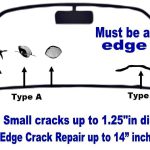
- Star tears: Small cracks with lines radiating out. These can spread and weaken the glass.
- Bullseyes: Circular cracks often caused by impacts. They can expand if hit again or if the stress increases.
- Crazing cracks: Small, web-like cracks that may not seem serious but can grow over time.
- Stress cracks: Long, straight cracks caused by temperature changes or manufacturing defects. These are often unpredictable and can worsen quickly.
Cracks close to the edges pose a higher risk of breaking while driving. They tend to weaken the windshield’s structural integrity more than cracks in the middle.
Does a Crack Always Lead to Breakage?
Not every crack causes the windshield to break immediately. Some cracks stay stable for long periods, especially if they are small and located in the center. However, the risk increases when cracks expand or if they are affected by external factors.
The stability of a crack depends on factors like its size, location, and the type of damage. For example, a small crack in the middle might not shatter, but a large crack near the edge can lead to sudden breakage.
Driving with a Cracked Windshield: Safety Considerations
Driving with a cracked windshield is risky but sometimes unavoidable. It’s essential to assess the crack’s size and position before hitting the road.
A crack that obstructs your view or is large enough to weaken the glass should be repaired immediately. Even small cracks can become dangerous if they spread or vibrate during driving.
If you notice a crack while driving, avoid potholes and sudden movements. Reducing speed can lessen stress on the glass and prevent further damage.
Factors That Increase the Risk of Windshield Breakage
Numerous factors can cause a cracked windshield to shatter unexpectedly:
| Factor | Effect |
|---|---|
| Temperature fluctuations | Cause expansion and contraction, strengthening crack growth |
| Vibrations and bumps | Worsen existing cracks and increase stress on the glass |
| Speeding and sudden stops | Exert pressure that can lead to cracking or breaking |
| Impacts and debris | Can cause new cracks or worsen current damage |
| Quality of the windshield | Inferior or improperly installed glass is more prone to breaking |
Reducing exposure to these factors helps prevent a cracked windshield from breaking unexpectedly.
Can Driving Accelerate Windshield Cracking?
Yes, driving can contribute to the worsening of cracks. The vibrations from the engine, especially at high speeds, stress the glass. Sudden acceleration or braking can also cause small cracks to grow.
Driving on rough terrains or unpaved roads increases the risk of crack expansion. The irregular movements put extra pressure on the windshield, making it more likely to shatter.
Signs That Indicate a Windshield Might Break
Certain signs suggest your cracked windshield is at risk of breaking:
- Crack size has increased significantly since it first appeared
- The crack is located near the driver’s line of sight, obstructing view
- The crack runs across a large portion of the glass
- You notice additional new cracks forming
- The crack is near the edge or corner of the windshield where it is weakest
Recognizing these signs early helps in deciding whether to repair or replace the windshield.
Preventive Measures to Avoid Windshield Breakage
Prevention is better than repair. Here are some simple steps to keep your windshield safe:
- Avoid following vehicles too closely, which can kick up debris
- Park in shaded areas during extreme heat or cold
- Regularly inspect your windshield for small cracks or chips
- Come to a stop if you notice a crack spreading—driving can worsen damage
- Use professional services for repairs as soon as damage occurs
Implementing these precautions helps maintain the structural integrity of your windshield.
When to Replace a Cracked Windshield
Sometimes, the best decision is to replace the entire windshield. Consider replacement if:
- The crack is longer than 6 inches
- The crack is directly in your line of sight
- The crack is located near the edges of the glass
- The crack has spread significantly since discovery
- The windshield has multiple cracks or chips
Replacing a damaged windshield ensures safety and compliance with vehicle safety standards.

Similar Posts