Can A Cracked Windshield Shatter While Driving
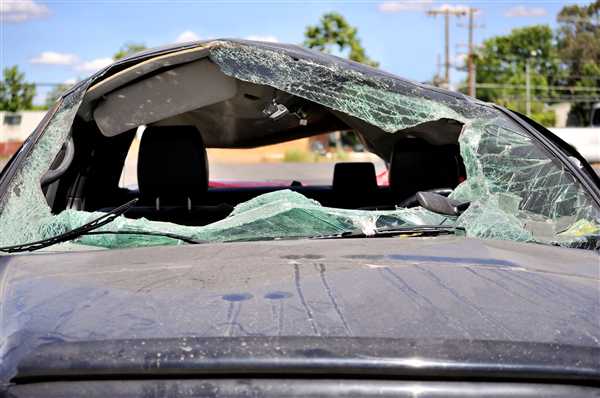
Yes, a cracked windshield can shatter while driving, especially if the damage worsens or is subjected to sudden impacts. The stress from driving conditions can cause the crack to expand rapidly or even cause the glass to break completely. It’s crucial to assess and repair chips or cracks early to prevent dangerous shattering.
If you’re wondering whether a crack in your windshield could suddenly turn into a dangerous shatter while on the road, the short answer is yes—especially if the damage is severe or if the vehicle experiences jarring bumps. Cracks weaken the structural integrity of the glass, and factors like temperature changes, vibrations, or additional impacts can push it over the edge. Understanding when and why a crack might cause the windshield to shatter can help you stay safe and take appropriate action before hitting the road.

Can a Cracked Windshield Shatter While Driving?
Understanding How Windshields Break
A windshield is made of laminated glass, designed to stay intact even when cracked. When a crack appears, it weakens the glass structure but doesn’t always cause immediate shattering. The way the glass responds depends on several factors, like the size and location of the crack and driving conditions.
What Causes Windshields to Shatter?
Many factors can lead to a windshield shattering while driving. Sudden impacts such as a large rock hitting the glass or a collision can cause immediate shattering. Extreme temperature changes, like rapid heating from sunlight or cold weather, can also weaken the glass and lead to shattering.
Can a Cracked Windshield Shatter While Driving?
Yes, a windshield with a crack can sometimes shatter during driving. But it usually depends on the crack’s size and where it is located. Small cracks are less likely to cause shattering, while large or deep cracks can increase the risk.
Factors That Increase the Risk of Shattering
- Size of the Crack: Cracks longer than six inches are more dangerous.
- Type of Crack: Star-shaped, spiderweb, or large chips are more prone to shattering.
- Location of the Crack: Cracks near the edges weaken the glass more.
- Temperature Extremes: Rapid changes in temperature can cause the crack to grow, leading to shattering.
- Driving Conditions: Bumps, potholes, or sudden stops can jostle the glass, increasing the risk.
How Driving Affects a Cracked Windshield
Driving with a cracked windshield puts additional stress on the glass. The vibrations from uneven roads or harsh braking can cause the crack to expand. As the crack grows, the structural integrity of the windshield diminishes, raising chances of shattering.
Impact of Road Conditions
Poorly maintained roads with potholes or bumps can act as triggers. They transfer vibrations that can make the crack worsen. The more a crack spreads, the closer the windshield gets to shattering.
High Speeds and Shocks
Driving at high speeds increases the pressure on the windshield. Sudden shocks from braking or hitting debris can cause the glass to weaken further or break apart entirely.
Can Temperature Changes Cause a Cracked Windshield to Shatter?
Absolutely. Rapid temperature shifts are one of the main reasons a crack can turn into shattering. When the glass heats up quickly or cools down suddenly, it expands or contracts, stressing the crack and the surrounding glass.
Sunlight and Heat
Intense sunlight can raise the temperature inside the car. If the windshield already has a crack, the heat can cause the glass to expand, increasing stress at the crack site.
Cold Weather
In cold conditions, the glass contracts. Sudden drops in temperature, like pouring hot water on a frozen windshield or moving into a heated car from the cold, can cause existing cracks to deepen or shatter.
Signs a Cracked Windshield Might Shatter
Certain signs can indicate an increased risk of shattering. Paying close attention might help prevent accidents or injuries.
Rapid Crack Growth
If you notice the crack spreading quickly, it suggests the glass is under more stress. This can lead to shattering if not fixed promptly.
Development of Additional Cracks
New cracks forming near the original indicate the windshield’s structure weakening. This can be a warning sign of potential shattering.
Visible Stress Points
Cracks radiating from the edges or around the driver’s line of sight are more dangerous. They compromise the overall strength of the windshield.
Safety Risks of a Shattering Windshield
A shattered windshield during driving poses serious safety risks. It can impair visibility and cause injuries from flying glass shards.
Reduced Visibility
Shattering can create a web of glass, making it difficult to see the road clearly. This increases the likelihood of accidents.
Injury from Glass Shards
When the windshield shatters, broken glass can cause cuts or eye injuries to the driver and passengers.
Loss of Structural Safety
The windshield contributes to the car’s overall strength. A shattered windshield compromises the vehicle’s crash protection capability.
Preventing Windshield Shattering
Prevention involves taking care of your windshield and avoiding situations that increase stress on the glass.
Timely Repairs
Address cracks as soon as they appear. Small repairs can prevent cracks from growing and causing shattering.
Avoid Extreme Temperatures
Park in shaded areas or garage your car during extreme heat or cold. Also, avoid pouring hot or cold liquids on the windshield.
Drive Carefully on Bumpy Roads
Slow down on rough surfaces to reduce vibrations. Be cautious around potholes and speed bumps.
Use Windshield Protectants
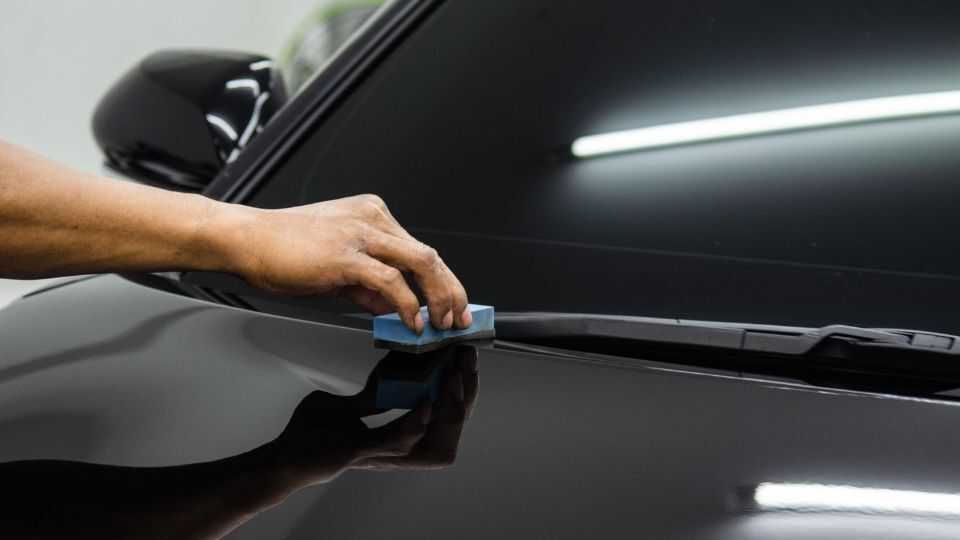
Applying special films or coatings can help reinforce the glass and reduce crack growth.

Similar Posts