Can Laminated Glass Stop Uv Rays Benefits And Facts
Yes, laminated glass can significantly reduce UV rays, offering better protection against harmful sun exposure. The layer of polyvinyl butyral (PVB) sandwiched between glass sheets blocks most ultraviolet radiation, making it a smart choice for windows and eyewear. Keep reading to discover how laminated glass works and whether it’s the right solution for your UV protection needs.
Laminated glass is highly effective at blocking ultraviolet (UV) rays, which can cause skin damage and fading of interior furnishings. Its unique structure, with a special PVB layer, filters out a large percentage of UV radiation, providing you with safer and more comfortable indoor environments. If you’re concerned about UV exposure while enjoying natural light, laminated glass could be an excellent option to consider for your home or office.

Can Laminated Glass Stop UV Rays? A Complete Guide
Understanding UV Rays and Their Effects
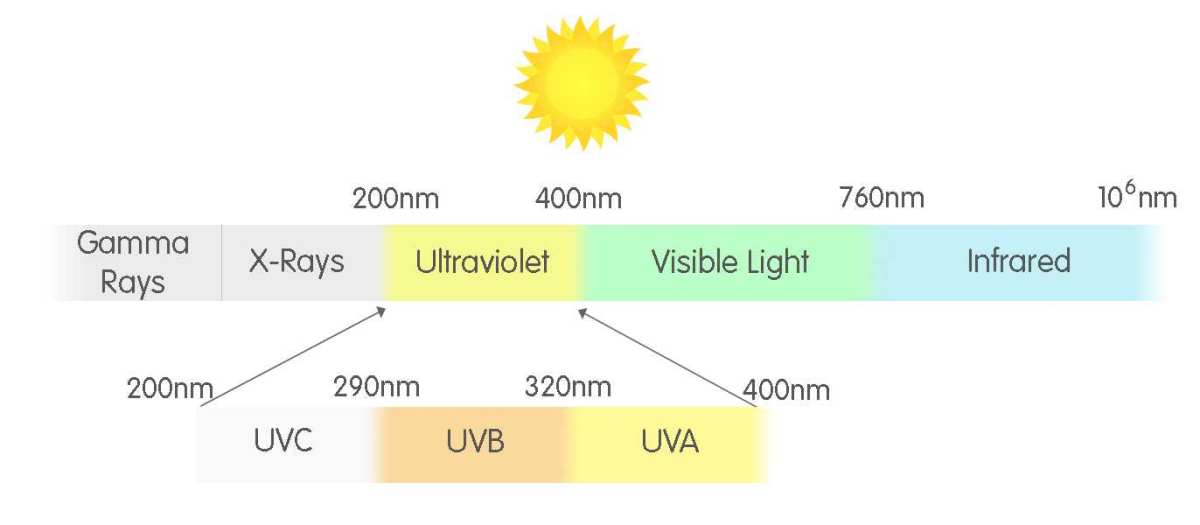
Ultraviolet (UV) rays are a type of radiation from the sun that can harm our skin and eyes. They are divided into UV-A, UV-B, and UV-C, with UV-A and UV-B reaching the Earth’s surface. Prolonged exposure to UV rays can cause skin aging, sunburns, and increase the risk of skin cancer. It can also harm indoor furnishings by fading furniture, carpets, and artwork. Knowing how to block UV rays is essential for protecting ourselves and our belongings.
How Glass Works in Blocking UV Rays
Standard glass allows most UV-A rays to pass through but blocks some UV-B rays. However, regular glass alone isn’t enough to protect against all UV radiation. That’s where specialized glass options come into play. Glass can be modified with coatings or lamination to improve UV protection. The ability of glass to block UV depends on its type, thickness, and any additional treatments applied.
What Is Laminated Glass?
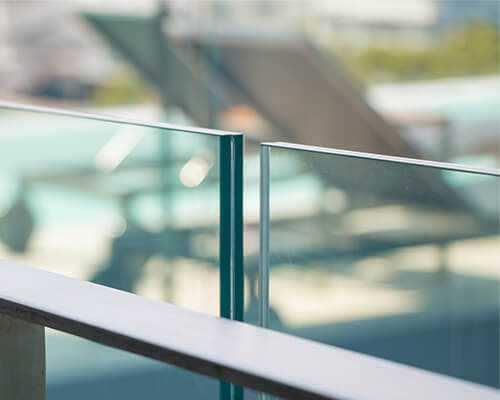
Laminated glass consists of two or more layers of glass bonded together with a special plastic interlayer, typically polyvinyl butyral (PVB). This interlayer is responsible for holding the glass together if broken, enhancing safety. Laminated glass is commonly used in car windshields, skylights, and windows in buildings where safety and UV protection are desired.
Can Laminated Glass Block UV Rays?
Yes, laminated glass can significantly reduce UV rays entering a space. The plastic interlayer, especially PVB, absorbs many UV rays, preventing them from passing through. The level of UV protection depends on the type and thickness of the interlayer used during manufacturing. Thicker or specially formulated interlayers offer higher UV blocking capabilities.
Factors That Influence UV Blocking in Laminated Glass
- Type of Interlayer Material: Some PVB interlayers are coated or formulated to block more UV rays.
- Thickness of the Interlayer: Thicker layers generally absorb more UV radiation.
- Glass Color and Tints: Tinted laminated glass enhances UV protection and reduces glare.
- Additional Coatings: Special UV-blocking coatings can be applied on the surface for extra protection.
Comparison: Laminated Glass vs. Other UV-Blocking Windows
| Feature | Laminated Glass | Standard Glass | UV-Resistant Glass (with Coatings) |
|---|---|---|---|
| UV Protection Level | High; blocks up to 99% of UV rays | Allows most UV-A and some UV-B to pass | Very high; often blocks 99% or more UV rays |
| Safety | Enhanced; holds together when broken | Standard safety features needed | Dependent on type; usually safe |
| Cost | Moderate to high | Low to moderate | Varies; often higher due to coatings |
Advantages of Using Laminated Glass for UV Protection
- Enhanced UV Blocking: Protects skin, furnishings, and artwork effectively.
- Safety and Security: Holds shattered glass together, reducing injury risk.
- Sound Insulation: Adds noise reduction benefits.
- UV Light Reduction for Indoor Spaces: Creates a more comfortable environment without sacrificing natural light.
Limitations and Considerations
While laminated glass offers excellent UV protection, it has some drawbacks. The cost can be higher compared to regular glass, especially if specialized interlayers or coatings are used. Additionally, laminated glass may slightly reduce visible light transmission, which could influence indoor lighting conditions. It’s also essential to select the right type of lamination for specific UV protection needs.
Applications of Laminated Glass for UV Blocking
In Residential Windows
Laminated glass is used in homes to protect family members and furnishings from UV damage. It’s especially beneficial in rooms with large windows facing the sun. Homeowners choose laminated glass to maintain brightness while safeguarding interiors.
In Commercial Buildings
Offices and retail spaces use laminated glass in their windows and glass walls. This helps keep interiors cool, reduces glare, and prevents UV-related fading of products and decor.
In Vehicles
Car windshields are often laminated and designed to block UV rays. This protects passengers and prevents interior fading over time. Laminated glass also enhances safety in case of accidents.
In Skylights and Glass Roofs
Using laminated glass in skylights ensures that UV rays are minimized, protecting occupants from UV exposure. It also reduces fading of ceiling decor and furniture.
Choosing the Right Laminated Glass for UV Protection
To select the best laminated glass, consider these points:
- UV Blocking Capacity: Ask for specifications on UV transmission percentage.
- Interlayer Thickness: Thicker layers provide better UV protection.
- Type of Interlayer Material: Opt for PVB or other plastics formulated for UV blocking.
- Additional Coatings: Consider products with added UV-resistant coatings for maximum protection.
Installation and Maintenance Tips
Proper installation ensures maximum UV protection. Regular cleaning using non-abrasive cleaners maintains clarity and performance. Avoid scratching or damaging the interlayer, as this can reduce UV blocking effectiveness. Periodic inspections can help identify any damage or wear that might compromise UV protection.
Future Trends in UV-Blocking Laminated Glass
Researchers continue to develop new interlayer materials that offer even higher UV protection without affecting clarity. Innovations include photo-reactive coatings that adapt to sunlight levels. These advancements aim to provide consumers with more effective, affordable options for UV protection in architectural glass.
Related Topics
- Low-E Glass: How low-emissivity coatings enhance energy efficiency and UV protection.
- Tinted Glass: The benefits of tinted windows for reducing UV and glare.
- Smart Glass: The latest in switchable windows that control light and UV transmission at the push of a button.
- Safety and Security Glass: Combining UV protection with impact resistance for safe environments.
How glass can protect you against UV light Neil Degrasse Tyson #shorts #physics
Frequently Asked Questions
How effective is laminated glass at blocking ultraviolet (UV) rays?
Laminated glass can significantly reduce UV transmission, often blocking up to 99% of harmful UV rays. The layers of polyvinyl butyral (PVB) or similar interlayers in laminated glass absorb and reflect UV radiation, providing excellent protection for indoor spaces and furnishings from UV damage.
Can laminated glass protect against all types of UV radiation?
While laminated glass effectively blocks most UVB and UVA rays, its efficiency depends on the specific materials used in manufacturing. High-quality laminated glass with specialized UV-protective interlayers offers superior defense, but it’s essential to verify the product specifications for maximum UV filtration.
Will laminated glass prevent UV rays from entering through windows?
Yes, laminated glass prevents the majority of UV rays from penetrating windows. This feature is especially beneficial in residential and commercial buildings, preserving interior decor and protecting skin while allowing natural light to enter.
Does laminated glass’s UV protection diminish over time?
The UV blocking ability of laminated glass remains effective over its lifespan when manufactured with durable interlayers. However, exposure to prolonged sunlight or environmental factors may cause some degradation. Regular maintenance and choosing high-quality materials help maintain optimal UV protection.
Are there any limitations to UV protection with laminated glass?
Although laminated glass offers excellent UV protection, it may not block all UV rays completely in every circumstance. Factors like window tinting, coatings, and glass composition can influence effectiveness. For maximum protection, consider combining laminated glass with additional UV-blocking treatments.
Final Thoughts
Laminated glass provides an effective barrier against harmful UV rays, safeguarding interior spaces and skin. It contains a PVB layer that absorbs and blocks a significant portion of ultraviolet radiation.
Can laminated glass stop UV rays? Yes, it can greatly reduce UV exposure, offering both safety and comfort. Choosing laminated glass enhances protection without sacrificing clarity or natural light.

Similar Posts