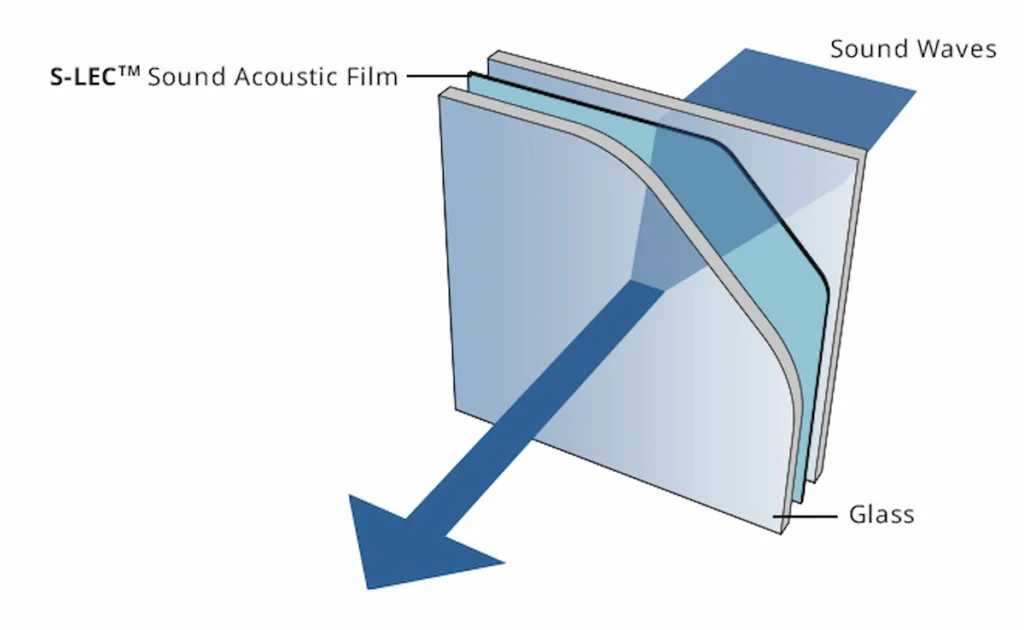
Yes, laminated glass can significantly reduce outside noise, creating a quieter and more peaceful indoor environment. Its unique construction helps dampen sound waves, making it an effective noise barrier compared to regular glass.
Laminated glass is a popular choice for those living in noisy areas or seeking a more tranquil home. It works by sandwiching a layer of polyvinyl butyral (PVB) between two sheets of glass, which absorbs and dampens sound vibrations. If you’re tired of noise pollution disturbing your peace, understanding how laminated glass functions can help you make a smarter choice for your windows. Whether it’s traffic, neighbors, or construction sounds, laminated glass provides an effective solution to keep noise at bay and enhance your comfort indoors. Let’s explore how exactly it works and whether it’s the right option for your noise reduction needs.

Does Laminated Glass Reduce Outside Noise?
Understanding How Sound Travels Through Glass
Sound moves in waves through the air and objects. When it hits a glass window, part of the sound bounces back while some passes through. The amount of noise that passes depends on the glass’s thickness, material, and design. Thin, single-pane glass allows more sound to go through, leading to louder noise inside.
What Is Laminated Glass?
Laminated glass is made of two or more glass layers bonded together with a plastic interlayer, usually polyvinyl butyral (PVB). This layer holds the glass together if it breaks, making it safer. But it also affects how sound travels through the glass.
How Does Laminated Glass Reduce Outside Noise?
The key to noise reduction is the plastic layer. It acts as a barrier that dampens sound vibrations. When sound waves hit the laminated glass, part of the wave’s energy is absorbed or reflected by the plastic interlayer. This reduces the amount of noise that gets inside your home or office.
Comparison: Laminated Glass vs. Standard Glass
| Feature | Standard Glass | Laminated Glass |
|---|---|---|
| Soundproofing | Allows more external noise to pass through | Significantly reduces noise levels |
| Safety | Breaks into sharp shards | Remains intact if broken |
| Additional Benefits | Less effective at noise reduction | Provides extra safety and noise control |
The Science Behind Noise Reduction
When sound hits laminated glass, the plastic layer vibrates along with the glass. This vibration converts some sound energy into heat, reducing the overall noise. The thicker the glass and interlayer, the better it can dampen sound vibrations.
Factors Affecting Noise Reduction in Laminated Glass
Thickness of the Glass
Thicker glass panels are better at blocking noise. Typical laminated glass ranges from 6mm to 12mm thick. Thicker panels can absorb and reflect more sound waves.
Thickness of the Plastic Interlayer
A thicker interlayer enhances soundproofing. A 0.76mm interlayer is common, but some products use thicker layers for higher noise reduction.
Number of Glass Layers
Double or triple laminated glass panels offer even better noise insulation. Each additional layer disrupts sound waves, making it harder for noise to penetrate.
Practical Uses of Laminated Glass for Noise Control
Laminated glass is widely used in:
- Urban homes located near busy streets
- Commercial buildings with noisy surroundings
- Sound-sensitive areas like recording studios
- Hospitals and schools requiring quieter environments
Adding laminated glass can make a noticeable difference in reducing noise pollution.
Additional Benefits of Laminated Glass
Enhanced Safety and Security
Laminated glass resists shattering, offering better security against break-ins. It also prevents flying shards in the event of breakage, protecting occupants.
UV Protection
Many laminated glasses block ultraviolet rays, preventing furniture and fabrics from fading.
Limitations of Laminated Glass in Noise Reduction
While laminated glass reduces outside noise, it doesn’t eliminate it completely. Very loud environments or extremely noisy traffic may still produce noticeable sounds inside. Also, the cost of laminated glass can be higher than standard options.
Cost Considerations
The price of laminated glass can vary based on thickness, size, and features. Though it costs more initially, the benefits in safety and noise reduction justify the investment for many people. Proper installation is critical to maximize noise insulation.
Additional Soundproofing Tips
To further enhance noise reduction:
- Use weatherstripping around windows
- Install heavy curtains or soundproof drapes
- Add window inserts or secondary glazing
- Seal gaps around frames to prevent sound leaks
Combining these methods with laminated glass increases overall effectiveness.
Related Topics
Double-Glazed vs. Laminated Glass
Double-glazed windows consist of two panes separated by an air gap. When combined with lamination, these windows can provide even better noise resistance.
Acoustic Window Design
Specialized acoustic windows focus on minimizing sound transmission and may use laminated glass as a core component.
Maintenance and Durability of Laminated Glass
Regular cleaning and inspections ensure the laminated layer remains intact and effective at noise reduction. Proper installation and quality materials are key to long-lasting performance.
Environmental Impact and Sustainability
Manufacturers are developing eco-friendly laminated glass options with recycled plastics and energy-efficient coatings, balancing noise control with sustainability.
Summary
Laminated glass effectively reduces outside noise by absorbing and reflecting sound waves. Its plastic interlayer plays a critical role in dampening vibrations, making it a popular choice for noise-sensitive spaces. While it does not eliminate all noise, it offers substantial improvements over standard glass. Combining laminated glass with other soundproofing methods provides optimal results for quieter, safer, and more comfortable environments.
Best Windows for Soundproofing Your Home | Dual Pane, Triple Pane, & Laminated Glass Explained
Frequently Asked Questions
How effective is laminated glass at blocking external noise?
Laminated glass significantly reduces external noise by interrupting sound waves as they pass through the glass. The multiple layers, including a plastic interlayer, absorb and dampen sound vibrations, resulting in a quieter indoor environment. While it may not eliminate all noise, it noticeably decreases sounds from traffic, construction, and other outdoor sources.
Does the thickness of laminated glass influence its noise reduction capabilities?
Yes, the thickness of laminated glass plays a crucial role in its ability to reduce outside noise. Thicker glass panels and additional layers provide greater mass and damping properties, which improve soundproofing. As a result, increasing the glass thickness can lead to a more effective barrier against external sounds.
Can laminated glass be combined with other noise-insulation methods for better results?
Combining laminated glass with other insulation techniques, such as double-glazing or weatherstripping, enhances overall soundproofing. These combined methods create multiple barriers that block and absorb noise more effectively than single solutions. Incorporating these strategies ensures a quieter indoor environment, especially in high-noise areas.
Does the type of plastic interlayer affect how well laminated glass reduces noise?
Yes, the material and thickness of the plastic interlayer influence the noise reduction capabilities of laminated glass. Thicker or specially formulated interlayers, such as polyvinyl butyral (PVB), can better absorb sound vibrations. Choosing the appropriate interlayer enhances the overall performance of the glass in blocking outside noise.
Can laminated glass help reduce noise transmission between rooms?
Laminated glass primarily reduces outdoor noise entering a space, but it can also decrease sound transmission between rooms if used in interior partitions. Installing laminated glass in interior walls or doors helps contain noise within specific areas, improving acoustic privacy for homes or offices.
Final Thoughts
Laminated glass effectively reduces outside noise by adding an additional layer of sound insulation. Its laminated structure absorbs and dampens sound vibrations, creating a quieter indoor environment.
This type of glass is especially beneficial for homes near busy streets or noisy areas.
In conclusion, does laminated glass reduce outside noise? Yes, it significantly enhances soundproofing, providing peace and comfort inside your space.

- What Size Windshield Crack Can Be Repaired? - August 4, 2026
- How Long Glass Coatings Last, and Why Yours Stopped - August 4, 2026
- Windshield Repair vs. Replacement: When You Can Fix It and When You Can’t - July 12, 2026