How Much Uv Light Does Car Glass Block In 2023

Car glass can block a significant portion of UV rays, but the exact amount varies based on the type of glass used. Typically, standard car windows block about 95% of UVB rays and a similar amount of UVA rays, offering a good shield against harmful sunlight. UV protection is crucial for preventing skin damage and fading your car’s interior, so understanding how well your car glass performs can help you stay safer and more comfortable on the road.
In short, most car windows block around 95% of UV rays, though this can differ depending on the type of glass and any additional UV coatings. While standard glass provides decent protection, specialized UV-blocking films and tinted windows can enhance this barrier even further, making your drive safer from harmful ultraviolet radiation.
When it comes to protecting yourself from the sun’s harsh rays while driving, understanding how much UV light car glass blocks is essential. Many drivers assume their windows offer full protection, but the truth is that standard glass allows some UVA rays to pass through, which can contribute to skin aging and damage over time. Modern cars often feature laminated or tinted glass designed specifically to block more UV rays, offering an extra layer of defense while you’re on the move. This knowledge not only aids in choosing the right car accessories but also ensures you take necessary precautions for your skin and health during long drives in the sun.

How much UV light does car glass block?
Understanding how much UV light car glass blocks is important for safety and health reasons. Car windows serve as barriers against harmful ultraviolet rays from the sun. These rays can damage your skin and eyes over time if not properly blocked.
What is UV Light and Why is it Important?
Ultraviolet (UV) light is a type of radiation from the sun. It has shorter wavelengths than visible light. UV rays can cause skin burns, eye damage, and increase the risk of skin cancer. Protecting yourself from UV rays while driving is essential for health.
Different Types of UV Rays
- UV-A: Penetrates deep into the skin, contributing to skin aging and some skin cancers.
- UV-B: Affects the outer skin layers, causing sunburns and playing a role in skin cancer.
- UV-C: Mostly absorbed by the atmosphere and does not reach the Earth’s surface.
How Car Glass Blocks UV Rays
Car windows are designed to reduce the amount of UV rays entering the vehicle. Standard car glass typically blocks a significant part of the UV spectrum but not all of it. The efficiency varies based on the type of glass used and any treatments applied.
Standard Car Glass and UV Protection
Most factory-installed car windows are made of laminated or tempered glass. Standard laminated glass can block approximately 95% to 99% of UV rays. Tempered glass also has good UV blocking properties but slightly less than laminated glass.
How Much UV Light Does Typical Car Glass Block?
On average, regular car glass blocks about 90% to 95% of UV rays. This means that a small percentage of UV radiation can still pass through, especially UV-A rays, which are harder to block than UV-B.
Variations Based on Glass Type
| Type of Glass | UV Block Percentage | Comments |
|---|---|---|
| Standard Laminated Glass | 95% to 99% | Most common for front windows, high UV protection |
| Tempered Glass | 85% to 90% | Often used for side and rear windows, slightly lower UV blocking |
| Tinted Glass | Up to 99% | Additional UV blocking with window tinting |
| UV-Blocking Film | Up to 99% | Applied as an extra layer for enhanced protection |
Benefits of UV-Blocking Car Glass
Blocking UV rays in your vehicle offers several advantages:
- Protects your skin from sun damage during long drives
- Prevents premature aging of your skin
- Reduces glare, improving driving safety
- Protects the vehicle’s interior from fading and cracking
How Window Tinting Enhances UV Protection
Adding window tinting is a common way to increase UV protection. High-quality tints can block up to 99% of UV rays, providing excellent safety benefits. Tints come in various levels of darkness and protection features.
UV Protection for Different Car Windows
Front Windshield
Most car manufacturers include UV protection in the front windshield glass, blocking around 95% to 99% of UV rays. This is crucial as the windshield is the window most exposed to sunlight.
Side and Rear Windows
These windows may block slightly less UV radiation unless specially treated or tinted. Tinted or laminated options significantly improve UV blocking capabilities for these panels.
Materials and Technologies Improving UV Blockage
Advances in glass manufacturing have led to better UV blocking properties. Some materials like specialized coatings or UV-absorbing films are added to increase protection without affecting visibility. These innovations make driving safer and more comfortable.
How to Choose the Best UV Protection for Your Car
Consider factors like your driving habits, local UV Index, and how much sunlight your car gets. High-quality laminated glass or tinted windows are recommended for full protection. Always check the UV blocking specifications before purchasing window upgrades.
Limitations of Car Glass UV Protection
Although most car glass blocks a high percentage of UV rays, a small amount can still pass through, especially UV-A rays. This highlights the importance of supplementary measures, such as sunscreen and UV-protective clothing, for prolonged exposure.
Additional Tips to Protect Yourself from UV Rays in Your Car
- Use sunscreen on exposed skin even when inside the vehicle
- Wear sunglasses with UV protection
- Keep window surfaces clean for maximum clarity and protection
- Consider installing UV-protective window films if your car doesn’t already have them
Summary of UV Blocking Capabilities by Glass Type
Here’s a quick overview of typical UV blocking percentages for different types of car glass:
- Standard laminated glass: 95% to 99%
- Tempered glass: 85% to 90%
- Tinted or coated glass: up to 99%
- Additional UV films: up to 99%
Summary of Key Points
- Most factory car windows block around 95% of UV rays.
- UV-A rays are harder to block completely but still significantly reduced.
- Adding window tinting or UV-protective films can enhance UV blockage.
- Protection depends on the type of glass and any additional treatments.
In summary, car glass provides a strong barrier against harmful UV radiation, but it is not entirely impermeable. Ensuring your car’s windows are equipped with high-quality glass or protective films can help safeguard your skin, eyes, and interior. Keep in mind that additional protective measures are always beneficial for complete UV safety during driving.
Mirror glass protection to UV rays and night visibility
Frequently Asked Questions
How effective is car glass at blocking UV rays?
Car glass, especially tinted and laminated glass, can block a significant portion of UV rays, often around 90% or more. Standard automotive glass typically filters out most UVB rays, which are mostly responsible for sunburn, while some UVA rays may still pass through. The level of UV protection depends on the type of glass and any additional coatings or films applied to it.
Does the type of car glass impact UV protection levels?
Yes, the type of glass used in your vehicle influences how much UV light it blocks. Laminated windshields generally provide better UV protection compared to tempered side and rear windows. Some cars also come with factory-applied UV protection or special coatings that further enhance their ability to block UV rays, reducing the risk of skin damage and interior fading.
Can applying window tint increase UV blocking capabilities?
Applying a high-quality window tint significantly improves UV protection. Many window tints are designed specifically to block up to 99% of UV rays, providing extra defense beyond the standard glass. It is essential to choose a tint that complies with local regulations to ensure both legal use and effective UV protection.
Are there any risks associated with UV rays penetrating car glass?
UV rays that penetrate car glass can cause skin damage over time, increasing the risk of skin cancer and premature aging. Additionally, UV exposure can fade and deteriorate the interior materials, such as dashboards and seats. Protecting yourself with UV-blocking glass or films reduces these health and maintenance risks.
How can I confirm the UV protection level of my car’s glass?
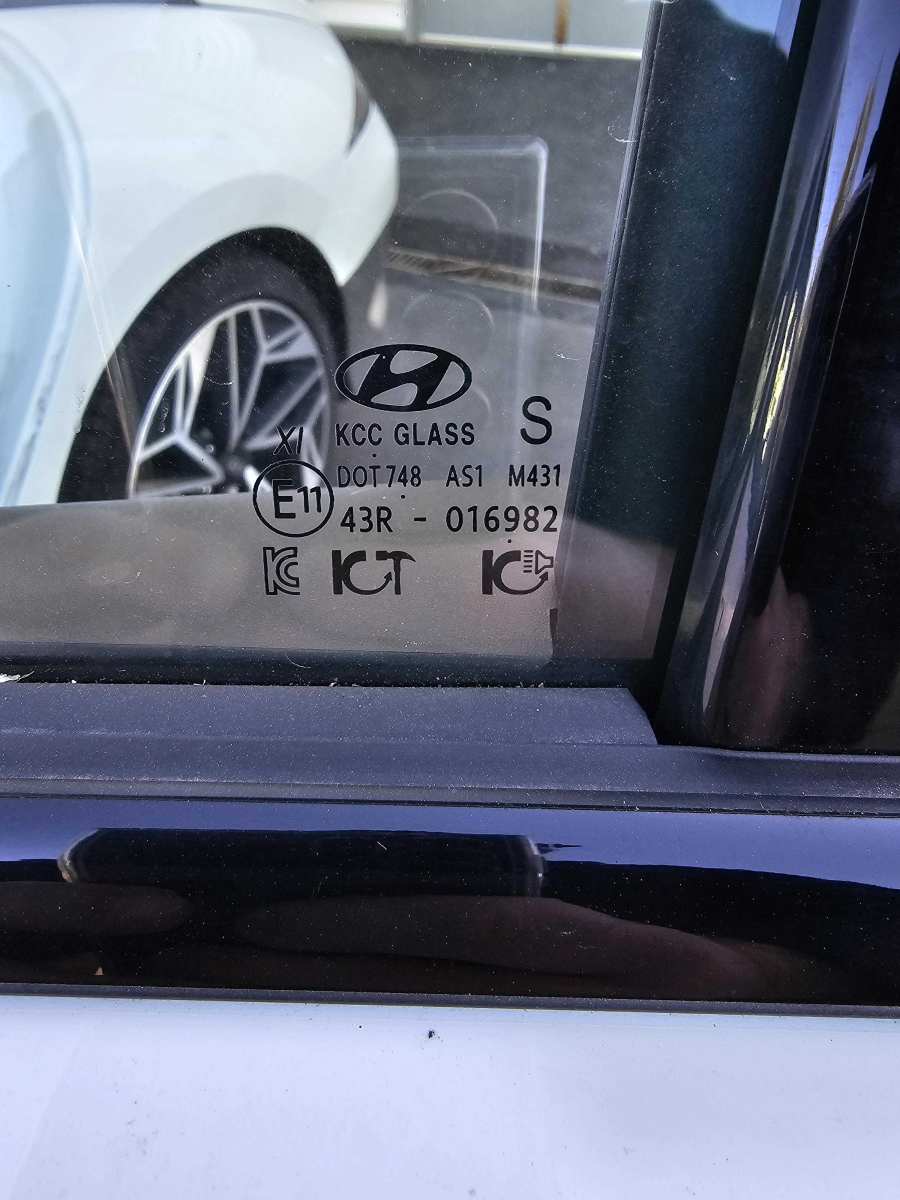
You can check the UV protection level of your car’s glass through manufacturer specifications or certificates printed on the glass or tint film. Some automotive shops also offer testing services that measure the amount of UV radiation passing through your windows. Upgrading to tinted or laminated glass can improve overall UV protection if needed.
Final Thoughts
Car glass blocks a significant portion of UV rays, protecting passengers from harmful exposure. Typically, standard auto glass filters out about 97% to 99% of UVB rays and a similar amount of UVA rays. Tinted windows can increase this protection, sometimes blocking nearly all UV radiation.

Similar Posts