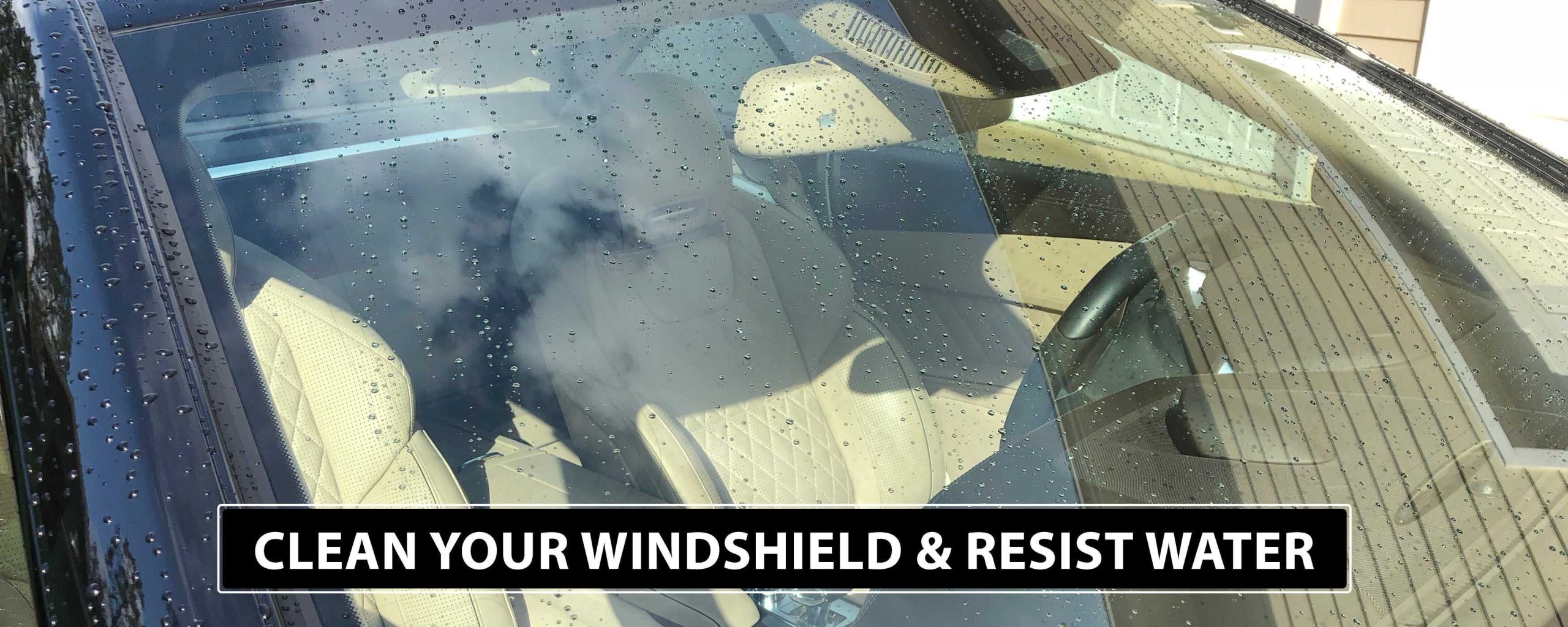
To make your car glass hydrophobic, apply a specialized water-repellent coating or spray designed for automotive glass. Regular application and proper cleaning are key to maintaining the water-resistant properties and ensuring clear visibility during rain. With a few simple steps, you can keep your windshield clear and improve your driving safety in wet conditions.
Applying a hydrophobic coating to your car’s glass creates a protective layer that causes water to bead up and slide off, providing a smoother, safer driving experience in rainy weather. This process involves cleaning your windshield thoroughly and then applying a water-repellent product, which bonds to the glass surface. Regular reapplication helps maintain optimal performance, ensuring your view remains crystal clear no matter the weather.
Driving in the rain can be a challenge, and visibility issues often make it dangerous. Luckily, making your car glass hydrophobic is an easy and effective way to improve safety. The process is straightforward: start with a clean windshield, then apply a water-repellent treatment evenly across the surface. This creates a barrier that causes water to form droplets and roll off quickly, reducing glare and improving visibility. Not only does this enhance your safety, but it also makes cleaning your windshield easier over time. Whether you choose a DIY spray or professional coating, adopting hydrophobic technology can make all your rainy drives more comfortable and secure.

How to Make Car Glass Hydrophobic: A Complete Guide
Making your car glass hydrophobic means applying a coating that repels water and dirt. This process enhances visibility during rainy days and keeps your windshield cleaner longer. In this section, we will explore the benefits and basic understanding of hydrophobic coatings for car glass.
What Is Hydrophobic Car Glass?
Hydrophobic car glass is treated with a special coating that causes water to bead up and roll off. This coating creates a water-repelling barrier that prevents water from sticking to the glass surface. As a result, it improves safety and driving comfort during storms or heavy rain.
The Benefits of Hydrophobic Coatings
- Improved visibility in rainy conditions
- Reduced need for wipers and cleaning
- Less dirt and grime sticking to the glass
- Enhanced aesthetic look of your vehicle
- Protection against mineral deposits and stains
Types of Hydrophobic Coatings
There are two main types of coatings you can apply to your car glass:
- Nanotech Coatings: These are advanced, long-lasting treatments made with tiny particles that bond to the glass surface.
- Silicone-Based Sprays: Usually easier to apply, these sprays provide temporary water repellency that needs regular reapplication.
Preparing the Car Glass for Hydrophobic Treatment
Proper preparation is crucial to ensure the coating adheres well and lasts longer. Follow these steps carefully before applying any hydrophobic product.
Cleaning the Glass Thoroughly
Start by cleaning the windshield with a glass cleaner to remove dirt, grease, and grime. Use a microfiber cloth to wipe the surface and avoid leaving streaks or residue. Dirt particles can interfere with the bonding process, reducing the coating’s effectiveness.
Removing Old Residue and Contaminants
If your glass has old wax or prior coatings, use an alcohol-based cleaning solution or a dedicated glass preparation product. This step ensures a clean, oil-free surface for better adhesion.
Drying the Surface Completely
Make sure the glass is completely dry before applying the hydrophobic coating. Use a lint-free towel or blower to remove any remaining moisture. A dry surface prevents streaks and spots after application.
Choosing the Right Hydrophobic Product
Selecting the proper product depends on your budget, desired longevity, and ease of application. Here’s a comparison to help you decide.
Nanotech Coatings
| Feature | Description |
|---|---|
| Durability | Lasts 6 months to a year or more with proper maintenance |
| Application | Usually requires professional or detailed DIY application |
| Cost | Higher upfront cost but longer-lasting |
Spray-On Hydrophobic Products
| Feature | Description |
|---|---|
| Durability | Lasts a few weeks to a few months; reapplication needed regularly |
| Application | Simple DIY spray, quick and convenient |
| Cost | More affordable upfront price |
Applying the Hydrophobic Coating
If you choose a nanotech coating, follow the product instructions carefully, often involving multiple steps. For sprays, the process is straightforward, but precision is key for best results.
Application Steps for Nanotech Coatings
- Apply in a dust-free environment, ideally indoors or in shaded areas
- Use a clean microfiber applicator or cloth to spread the coating evenly over the glass surface
- Follow the recommended curing time, usually 24 to 48 hours, without exposure to water or dirt
- Optional: Apply a second layer for optimal protection
Application Steps for Spray-On Products
- Ensure the glass is perfectly clean and dry
- Spray the product evenly across the surface, covering all areas
- Use a microfiber cloth to spread the coating uniformly
- Allow it to cure for the specified time, typically 30 minutes to an hour
- Repeat the process periodically for maintained water repellency
Maintaining and Reapplying Hydrophobic Coatings
To keep your car glass hydrophobic, regular maintenance is essential. Clean the windshield with gentle products and reapply the coating when water starts to stick again.
Cleaning Tips for Hydrophobic Glass
- Avoid abrasive cleaners that can strip the coating
- Use ammonia-free glass cleaners for gentle cleaning
- Wash the windshield regularly to remove dirt and mineral deposits
- Dry the glass with a microfiber cloth to prevent streaks
Reapplication Schedule
Depending on the product, reapply hydrophobic coatings every few months. Nanotech coatings may last longer, while sprays often need monthly reapplication for best results.
Additional Tips for Longevity
- Park your vehicle in shaded areas to reduce UV degradation
- Avoid wiping the glass with rough cloths or paper towels
- Use water-repellent sprays after washing for a quick boost
Related Topics: Enhancing Your Car’s Safety and Performance
How to Improve Visibility During Night Driving
Use anti-fog treatments and keep your headlights clean to complement your hydrophobic windshield. Clear visibility is vital for safe night driving.
Best Practices for Windshield Maintenance
Replace wipers regularly, avoid abrasive cleaners, and inspect your windshield for chips or cracks. These habits extend the life of the hydrophobic coating and improve safety.
Additional Exterior Car Protections
- Apply ceramic coatings for paint protection
- Use tire dressings to keep tires looking new
- Maintain the car’s overall cleanliness for a polished look
Applying a hydrophobic coating to your car glass can significantly improve your driving experience during rainy days. Proper preparation, product selection, and maintenance are key to maximizing its benefits. This simple upgrade makes a big difference in safety, convenience, and vehicle appearance.
Make Your Car Window Water Repellent! 🪥 #shorts
Frequently Asked Questions
What are the initial steps to prepare a car glass for hydrophobic treatment?
Start by thoroughly cleaning the windshield with a glass cleaner to remove dirt, grease, and grime. Use a lint-free cloth or microfiber towel to wipe the surface until it’s spotless. For best results, and to ensure proper adhesion of the hydrophobic coating, consider using a glass cleaner with alcohol or a dedicated glass surface prep solution. Avoid touching the glass with your bare hands afterward to prevent leaving oils or residue that could interfere with the treatment.
How can I apply a hydrophobic coating evenly on my car glass?
Apply the hydrophobic solution in a controlled, well-lit environment. Use a clean, lint-free cloth or applicator pad to distribute the coating evenly across the entire glass surface. Work in small sections, applying a consistent layer without excessive force. Follow the manufacturer’s instructions regarding the number of coats needed and the drying time between applications. Make sure the coating is spread smoothly to avoid streaks or uneven coverage.
What maintenance habits help preserve the hydrophobic effect on car glass?
Regularly clean the windshield with gentle, pH-balanced glass cleaners to avoid removing the coating prematurely. Avoid using abrasive scrubbing pads or harsh chemicals that can degrade the hydrophobic layer. When washing your vehicle, opt for a soft sponge or microfiber mitt to minimize wear. Periodically reapply the hydrophobic treatment as recommended by the product instructions to maintain optimal water-repelling properties.
Final Thoughts
To make car glass hydrophobic, start by cleaning the surface thoroughly to remove dirt and grease. Apply a high-quality hydrophobic spray or coating evenly across the glass. Allow the coating to cure as per the manufacturer’s instructions before use.
Regularly reapply the coating to maintain its effectiveness, especially after cleaning or exposure to harsh weather.
In summary, knowing how to make car glass hydrophobic helps keep your view clear and water-free. Proper application and maintenance ensure your glass remains protected and hydrophobic over time.

- What Size Windshield Crack Can Be Repaired? - August 4, 2026
- How Long Glass Coatings Last, and Why Yours Stopped - August 4, 2026
- Windshield Repair vs. Replacement: When You Can Fix It and When You Can’t - July 12, 2026