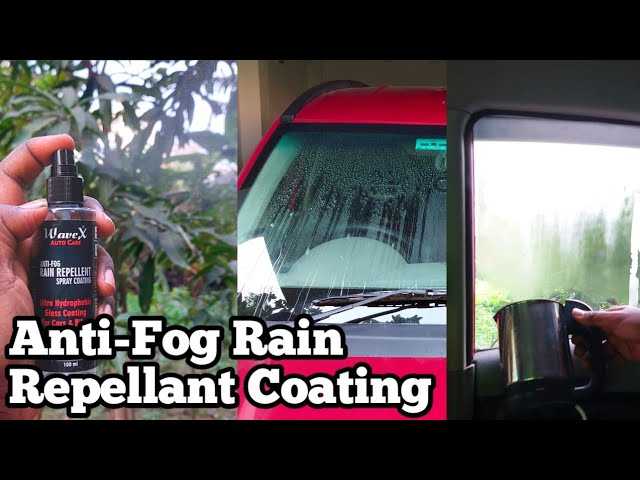
Applying a car glass anti-fog hydrophobic coating can be a game-changer for clear visibility on foggy mornings or rainy days. To use it effectively, clean your windshield thoroughly, apply the coating evenly, and let it dry completely before driving. This creates a protective barrier that repels water and prevents fog buildup, ensuring your view remains crystal clear.
If you want to keep your car windows fog-free and water-resistant, using a hydrophobic coating is straightforward and highly effective. First, clean the glass surface thoroughly to remove dirt and grease. Then, spray or apply the coating evenly with a microfiber cloth, making sure to cover every inch. Allow it to dry naturally, and you’ll have a long-lasting shield against fog and water. This simple process can significantly improve driving safety and comfort, especially in unpredictable weather conditions.
When it comes to maintaining a crystal-clear windshield, a hydrophobic coating is your best ally. It’s easy to apply and offers lasting protection against fog, rain, and dirt, ensuring you have optimal visibility at all times. Just a few simple steps—clean, apply, and dry—are enough to give your car a smart upgrade that keeps your view unobstructed no matter what the weather throws at you.

How to Use Car Glass Anti Fog Hydrophobic Coating
Applying a car glass anti fog hydrophobic coating is a simple process that can greatly improve your driving experience. Proper use ensures your windshield stays clear and resistant to water, making driving safer and more comfortable. This guide will walk you through each step to help you get the best results from your coating.
Understanding the Benefits of Hydrophobic and Anti Fog Coatings
Before starting, it’s helpful to know what these coatings do. Hydrophobic coatings repel water so rain and moisture bead up and roll off your windshield. Anti fog properties stop condensation from forming when your car’s interior is humid, preventing foggy windows. Combining both features provides a clear view in all weather conditions.
Preparing Your Vehicle for Application
Start by parking your car in a shaded, dust-free area. Clean your windshield thoroughly using a glass cleaner. Remove all dirt, grease, and old residues to ensure the coating adheres properly. Using a lint-free cloth, dry the surface completely.
Gathering Necessary Supplies
- Glass cleaner or rubbing alcohol
- Microfiber cloths
- Hydrophobic coating product (spray or liquid)
- Latex gloves (optional but recommended)
- Plastic scraper or razor blade (if needed to remove stubborn residues)
Step-by-Step Application Process
1. Clean the Surface Thoroughly
Apply the glass cleaner directly onto the windshield. Use a microfiber cloth to wipe in circular motions. Make sure to remove any oil, dust, or residue. For stubborn spots, a small amount of rubbing alcohol can help dissolve grease.
2. Dry the Surface Completely
Use a dry microfiber cloth to wipe the surface. A completely dry windshield ensures optimal bonding of the coating. Avoid touching the glass with dirty hands afterward.
3. Apply the Hydrophobic Coating
Wear gloves to protect your skin. Shake the coating product well before use. Spray or pour a small amount of the coating onto a clean microfiber cloth. Apply it evenly across the entire surface in straight, overlapping strokes.
4. Allow the Coating to Penetrate
Follow the manufacturer’s recommended time to let the coating sit for absorption. Usually, this is around two to five minutes. During this period, avoid touching or disturbing the treated area.
5. Buff the Surface
Use a clean, dry microfiber cloth to buff the windshield gently. This step removes excess product and enhances the coating’s smoothness. Check for streaks or missed spots and reapply if necessary.
Proper Curing Time and Usage Tips
Most coatings require a curing period for maximum effectiveness. Typically, avoid washing your car or exposing the windshield to water for at least 12 hours after application. During this time, keep the car in a dry, shaded spot.
Additional Tips for Best Results
- Apply the coating in a dust-free environment to prevent debris from sticking on the wet surface.
- For best coverage, work in small sections at a time.
- Repeat the coating process every few months to maintain optimal performance.
- Store remaining product in a cool, dry place away from direct sunlight.
Maintaining Your Coated Windshield
Proper maintenance helps prolong the effects of the hydrophobic and anti fog coating. Use a gentle glass cleaner without harsh chemicals. Avoid using abrasive scrubbers that can damage the coating surface.
Cleaning and Reapplication Schedule
Reapply the coating every three to six months, depending on driving conditions. Regular cleaning with a soft cloth and mild cleaner prevents dirt buildup and ensures the coating remains effective.
Tips for Optimal Performance in Different Weather Conditions
During rainy weather, the hydrophobic coating causes water to bead and slide off quickly. In cold or humid conditions, anti fog properties help prevent window fogging, ensuring clear visibility. Use wipers and defrosters in combination with your coating for safety.
Common Mistakes to Avoid
- Applying the coating on a dirty or greasy windshield.
- Not letting the coating cure properly before exposure to water.
- Using too much product, which can lead to streaks and uneven coverage.
- Using abrasive materials during cleaning that can strip the coating.
Additional Related Topics
Explore other ways to keep your windshield clear such as installing heated windshields or using de-icing sprays. Consider professional application if you want an even and long-lasting finish. Always verify compatibility with your vehicle’s glass and follow manufacturer instructions carefully.
By following these detailed steps and tips, you can effectively use a car glass anti fog hydrophobic coating. It will help you maintain a clear windshield in all weather conditions, making your driving safer and more comfortable every day.
Hydrophobic Glass Coating by Wolfgang
Frequently Asked Questions
What is the best way to prepare my car windows before applying the hydrophobic coating?
Start by thoroughly cleaning your car windows with a glass cleaner to remove dirt, grease, and residues. Use a microfiber cloth to wipe the surface until it is spotless and dry. For stubborn stains or residues, consider using a glass etching cleaner for better surface preparation. Ensuring the glass is completely clean and dry helps the coating adhere properly and provides optimal performance.
How can I ensure even application of the anti-fog hydrophobic coating on my car’s glass?
Pour a small amount of the coating onto a clean, lint-free applicator or cloth. Spread the product evenly across the entire surface of the glass in gentle, overlapping motions. Make sure to cover all edges and corners for uniform protection. After applying, lightly buff the surface with a clean cloth to remove any excess and achieve a smooth finish. Following the recommended application thickness helps prevent streaks and ensures consistent coverage.
What precautions should I take during and after applying the coating to maximize its effectiveness?
Apply the coating in a dust-free, well-ventilated environment to prevent debris from settling on the wet surface. Avoid touching the glass immediately after application, and refrain from exposing the coated surface to water or extreme weather conditions for at least a few hours, or as specified by the product instructions. Regularly inspect the coating and reapply as necessary to maintain optimal anti-fog and hydrophobic properties.
How long does it typically take for the coating to cure, and how should I care for the windows during this time?
The curing time usually ranges from a few hours up to 24 hours, depending on the product and environmental conditions. During this period, avoid rolling down windows, washing the car, or exposing the glass to moisture. Keep the windows dry and prevent dust or debris from settling on the surface. Proper curing ensures the coating bonds well with the glass, providing long-lasting hydrophobic and anti-fog effects.
Will I need to reapply the coating periodically, and how can I tell when it’s time for a new application?
Yes, reapplication is necessary over time as the coating wears off due to washing, weather, and everyday use. You can tell when to reapply by noticing increased fogging or water streaking on your windows. Regularly inspect the glass surface; if the hydrophobic effect diminishes, it’s time for a fresh coat. Reapplying as directed helps maintain clear visibility and the protective benefits of the coating.
Final Thoughts
To use car glass anti fog hydrophobic coating effectively, start by cleaning the surface thoroughly. Make sure the glass is dry before applying the coating. Follow the product instructions carefully, spreading an even layer across the entire surface. Allow it to cure as recommended before driving to ensure maximum effectiveness.

- What Size Windshield Crack Can Be Repaired? - August 4, 2026
- How Long Glass Coatings Last, and Why Yours Stopped - August 4, 2026
- Windshield Repair vs. Replacement: When You Can Fix It and When You Can’t - July 12, 2026