Laminated Glass Vs Acoustic Glass: Which Is Best For Your Space
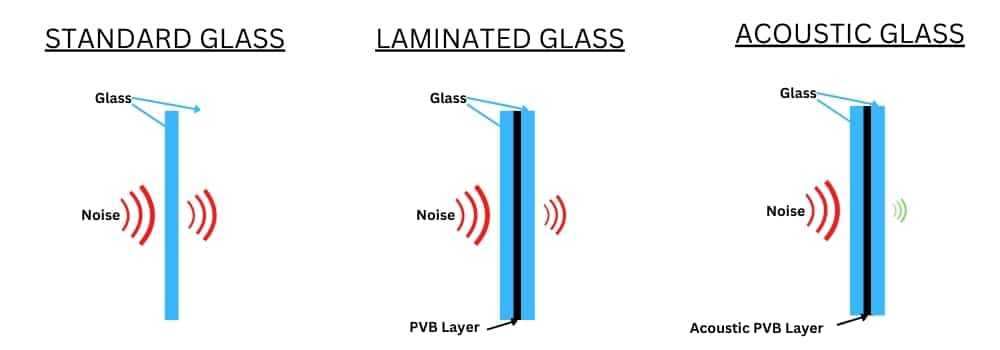
Laminated glass and acoustic glass each serve distinct purposes, but choosing the right one can transform your space. If you’re looking for security, durability, and safety, laminated glass is the way to go. However, if silence and soundproofing are your top priorities, acoustic glass offers a perfect solution.
For a quick answer: laminated glass is best for safety and security, providing strength and protection against impacts, while acoustic glass is designed specifically to dampen noise, making your environment quieter. Understanding the differences can help you pick the right glass for your needs, whether it’s for a home, office, or commercial space. Both types of glass have unique features that make them ideal for specific applications, and knowing which one suits your priorities will ensure you make an informed decision.
Choosing between laminated and acoustic glass depends on whether security or soundproofing matters most in your context. Laminated glass features a layer of plastic between two glass sheets, making it incredibly tough and impact-resistant, perfect for windows requiring extra safety. Acoustic glass combines multiple layers designed to absorb sound waves, significantly reducing noise transmission. By understanding their unique qualities, you can select the perfect glass to enhance your space’s safety, comfort, or tranquility.

Laminated Glass vs Acoustic Glass: Understanding the Differences and Choosing the Best Option
Introduction to Laminated Glass and Acoustic Glass
Laminated glass and acoustic glass are both popular choices for windows and doors. Each offers unique features that cater to different needs. Knowing the differences helps you select the right product for your home or business.
What Is Laminated Glass?
Laminated glass is made by bonding two or more glass layers with a plastic interlayer. The most common material used for the interlayer is polyvinyl butyral (PVB). This process creates a strong, durable sheet of glass that holds together even when shattered.
Key Features of Laminated Glass
- High safety standards: It prevents glass shards from falling, reducing injury risk.
- Enhanced security: Difficult to break through, providing protection against intruders.
- UV protection: Blocks harmful ultraviolet rays, protecting interiors from sun damage.
- Customizable: Available in various tints, colors, and thicknesses.
Common Uses of Laminated Glass
- Car windshields
- Skyscraper windows
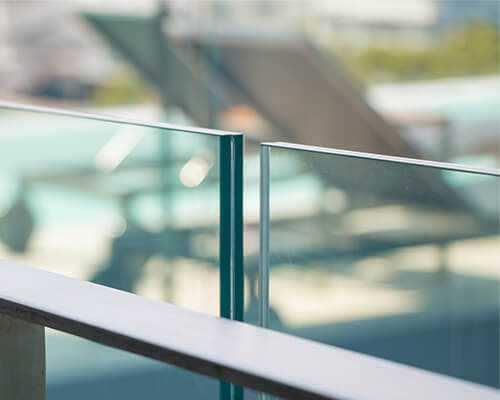
- Balcony and terrace enclosures
- Soundproof room partitions
What Is Acoustic Glass?
Acoustic glass is specialized laminated glass designed primarily to reduce noise transmission. It integrates thicker or multiple layers of glass combined with acoustic interlayers to absorb and block sound.
Key Features of Acoustic Glass
- Superior sound insulation: Significantly reduces noise from outside or between rooms.
- Vibration damping: Minimizes sound vibrations passing through glass.
- Retains natural light: Offers soundproofing without sacrificing brightness.
- Custom thickness options: Allows tuning for specific noise reduction levels.
Common Uses of Acoustic Glass
- Recording studios and cinemas
- Office buildings near busy streets
- Hospitals and healthcare facilities
- Residential homes in loud neighborhoods
Comparing the Construction of Laminated Glass and Acoustic Glass
Laminated glass typically consists of two or more layers of glass with a clear plastic interlayer. Acoustic glass, however, often uses additional or thicker layers to maximize noise reduction.
Layer Composition and Thickness
| Type of Glass | Number of Layers | Typical Thickness | Description |
|---|---|---|---|
| Laminated Glass | 2 or more | 6mm to 12mm | Standard safety and security focus |
| Acoustic Glass | 2 to 3 layers | 8mm to 20mm or more | Enhanced soundproofing features |
Interlayer Materials and Their Role
While PVB is common in laminated glass, acoustic glass may utilize special acoustic interlayers made from polyvinyl butyral with damping properties or other polymers. These materials help absorb sound vibrations better.
Performance Comparison: Safety, Security, and Soundproofing
Understanding how each glass performs in different areas helps in making the best choice.
Safety and Security Aspects
Laminated glass provides excellent safety by holding shattered pieces together, reducing injury risk. It also offers security advantages by resisting breakage and intrusion.
Soundproofing Capabilities
Acoustic glass is designed specifically for noise reduction, often providing 30 to 50 decibels of sound insulation. Laminated glass can also reduce noise but typically not as effectively as acoustic variants unless specially designed.
Energy Efficiency and UV Protection
Both types can be coated or tinted to improve thermal insulation and block UV rays. Laminated glass’s plastic interlayer also contributes to better insulation properties.
Design and Aesthetic Considerations
Both laminated and acoustic glass come in various styles and finishes to match architectural designs.
Color and Tint Options
Laminated glass offers a wide range of tints, colors, and decorative patterns. Acoustic glass usually maintains transparency but can be tinted to improve aesthetics or reduce glare.
Thickness and Weight
Thicker glass provides better soundproofing and security but adds weight, which may influence framing choices.
Cost Factors and Installation
Price differences depend on thickness, layers, and special features like acoustic properties.
Cost Comparison
- Laminated glass is generally more affordable than acoustic glass of similar thickness.
- Acoustic glass may cost 20 to 50 percent more due to specialized materials.
- Installation costs are similar but may increase with the weight of thicker glass.
Installation Tips and Considerations
Proper framing and support are critical, especially for heavier acoustic glass. Professional installation ensures optimal performance and safety.
Maintenance and Durability
Both types require regular cleaning with non-abrasive products. Laminated glass’s plastic layer resists shattering, while acoustic glass’s thicker layers may be more resistant to impact.
Cleaning and Care
Use gentle detergents and soft cloths to maintain clarity. Avoid harsh chemicals that could damage coatings or interlayers.
Durability and Lifespan
Laminated and acoustic glasses are designed to last for decades, provided they are well maintained. External factors like weather and pollution may influence their lifespan.
Environmental Impact and Sustainability
Modern laminated and acoustic glasses are often recyclable. The production process impacts their sustainability profile.
Sustainability Considerations
– Both glass types can be recycled at the end of their lifespan.
– Use of eco-friendly interlayers enhances sustainability.
– Energy-efficient coatings contribute to reducing carbon footprint.
Choosing Eco-Friendly Options
Opt for products with recycled content and low-emission production processes to minimize environmental impact.
Additional Features and Innovations
Recent advances include smart glass options with adjustable opacity and enhanced coatings for better energy management. Some acoustic glasses now integrate UV-blocking or self-cleaning properties.

Similar Posts