Laminated Glass Vs Acrylic: Which Material Is Better For Your Project
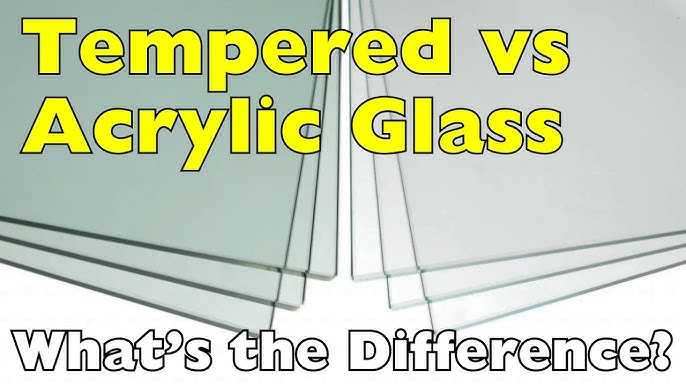
Laminated glass is generally more durable and safer, making it ideal for security and safety applications, while acrylic is lightweight, more flexible, and easier to shape, making it a popular choice for creative and DIY projects. If safety and long-term strength are your top priorities, laminated glass is the better option; for versatility and affordability, acrylic shines.
Laminated glass combines layers of glass with a sturdy plastic interlayer, offering excellent safety features and durability. Acrylic, on the other hand, is a type of plastic that is lightweight, shatter-resistant, and easy to work with, which makes it suitable for various creative uses. When choosing between the two, consider your specific needs for safety, weight, cost, and ease of installation. Both materials have their unique qualities, but understanding their differences can help you make an informed decision for your project.

Laminated Glass vs Acrylic: Comparing Key Features and Uses
Introduction to Laminated Glass and Acrylic
Laminated glass and acrylic are popular materials used in windows, skylights, and protective barriers. Both provide transparency and protection, but they differ in composition, strength, and suitability for various applications. Understanding these differences helps in choosing the right material for specific needs.
What Is Laminated Glass?
Laminated glass consists of two or more sheets of glass bonded together with a layer of polyvinyl butyral (PVB) or other plastic interlayer. This construction makes it much stronger and safer than regular glass. When broken, laminated glass tends to stay in one piece, reducing the risk of injury.
What Is Acrylic?
Acrylic, also called plexiglass or polymethyl methacrylate (PMMA), is a lightweight plastic material. It is often used as a glass substitute because it is clear, durable, and easier to shape. Acrylic can be cut, drilled, and molded much more easily than glass.
Strength and Durability
Laminated Glass
Laminated glass is highly resistant to impact and can withstand significant force without shattering. Its layered construction helps absorb shock and prevent injury from broken shards. It is also resistant to UV rays, which helps prevent fading and degradation over time.
Acrylic
Acrylic is also impact-resistant, but not as much as laminated glass. It can handle moderate impacts but may crack or scratch under strong force. Acrylic’s resilience against shattering makes it a safer choice in some applications, but it is more prone to surface damage.
Safety and Security
Laminated Glass
Because laminated glass stays intact when broken, it is often used in security windows and car windshields. Its ability to hold shards together makes it an excellent choice for preventing injuries and deterring forced entry.
Acrylic
While acrylic does not shatter into sharp pieces, it can crack or develop holes when hit hard. Its lightweight nature makes it easier to replace if damaged, but it’s less secure in high-risk situations compared to laminated glass.
Transparency and Clarity
Laminated Glass
Laminated glass offers excellent optical clarity with minimal distortion. Its layers are designed to maintain transparency and resist yellowing, ensuring clear views over extended periods.
Acrylic
Acrylic provides high clarity and is often even clearer than glass initially. However, it can develop a slight yellow tint over time if exposed to UV light, impacting visual quality.
Weight and Installation
Laminated Glass
Laminated glass is considerably heavier than acrylic, requiring sturdy framing and precise installation. Its weight can influence shipping costs and handling during setup.
Acrylic
Acrylic is lightweight, making it easier to transport and install. It is ideal for applications where weight reduction is essential, such as in mobile or temporary structures.
Cost Considerations
Laminated Glass
Laminated glass tends to be more expensive due to its manufacturing complexity and material cost. It is generally chosen for projects needing high safety standards and durability.
Acrylic
Acrylic is more affordable and offers good value for less demanding applications. Its lower price makes it attractive for decorative, art, or cost-sensitive projects.
Maintenance and Cleaning
Laminated Glass
Cleaning laminated glass requires gentle cleaning solutions to avoid damaging the plastic interlayer. Regular wiping with a soft cloth keeps it clear and free of smudges.
Acrylic
Acrylic needs careful cleaning to prevent scratches. Use non-abrasive cleaners and soft cloths for best results, as scratches can cloud the surface over time.
Resistance to UV and Weather
Laminated Glass
Laminated glass offers excellent resistance to UV rays and weather elements, making it suitable for outdoor use. Its layers protect against fading and degradation caused by sun exposure.
Acrylic
Acrylic is also UV resistant but can yellow or cloud if not properly coated or maintained. It is suitable for outdoor applications with proper UV protection treatments.
Applications and Best Uses
Laminated Glass Applications
- Windshields for automobiles
- Security windows and doors
- Soundproof windows
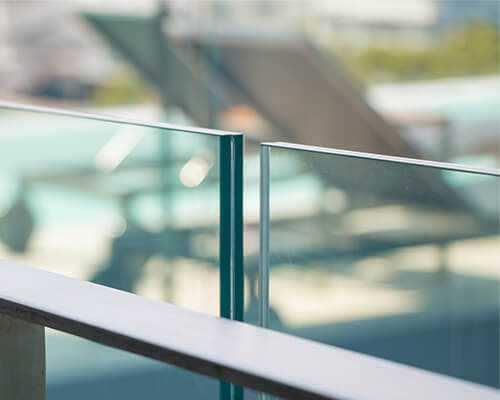
- Balustrades and stair railings
Acrylic Applications
- Display cases and signage
- Light fixtures and covers
- Protective barriers in aquariums or laboratories
- Temporary or lightweight structures
Environmental Impact and Recycling
Laminated Glass
Laminated glass is recyclable, but the process involves separating layers and cleaning. Recycling facilities are capable of repurposing it, reducing waste.
Acrylic
Acrylic can also be recycled, though it is not as widely accepted as glass. Recycling involves reprocessing the plastic into new products, supporting eco-friendly practices.
Summary of Comparison Factors
| Feature | Laminated Glass | Acrylic |
|---|---|---|
| Impact Resistance | High | Moderate |
| Weight | Heavy | Light |
| Cost | Higher | Lower |
| Optical Clarity | Excellent | Very Good |
| UV Resistance | Excellent | Good with coatings |
| Safety in Breakage | Stays in one piece | Cracks or breaks into large pieces |
Choosing between laminated glass and acrylic depends on the specific needs of your project. For high-impact safety and security, laminated glass is often the best choice. For lightweight, cost-effective, and easy-to-shape applications, acrylic can be more suitable and versatile.
This detailed comparison provides a clear picture of the strengths and limitations of each material. Whether safety, cost, or visual clarity is your priority, understanding these differences helps in making an informed decision.
A Comparison of Acrylic (Plexiglass) vs Polycarbonate (Lexan) Glass

Similar Posts