Laminated Glass Vs Insulated Glass: Key Differences For Your Home
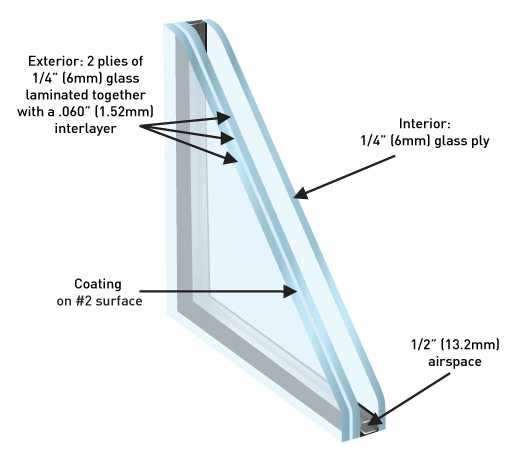
Laminated glass and insulated glass both offer unique benefits, but which one is right for your needs? If you’re looking for enhanced security, soundproofing, or durability, laminated glass might be the better choice. On the other hand, if energy efficiency and insulation are your priority, insulated glass could be more suitable. Both types have their strengths, so understanding their differences can help you make an informed decision for your home or office.
In short, laminated glass is excellent for safety and security, offering shatter resistance and soundproofing, while insulated glass is designed mainly for energy efficiency and temperature regulation. Your choice should depend on your specific needs for safety, comfort, and cost.
Choosing between laminated and insulated glass can feel overwhelming, especially with so many options available. Laminated glass consists of two or more glass layers bonded together with a plastic interlayer, making it strong and highly resistant to impacts, which is perfect for security and noise reduction. Insulated glass, often called double or triple glazing, involves two or more glass panes separated by air or gas-filled spaces, primarily aiming to improve thermal performance. Your decision boils down to what matters most—whether that’s safety, noise reduction, or energy savings. Considering your priorities will help you select the right type of glass for your space, ensuring comfort and security for years to come.

Laminated Glass vs Insulated Glass: Which Is Better for Your Home?
Understanding Laminated Glass and Its Features
Laminated glass is made by bonding two or more sheets of glass with a special plastic layer called polyvinyl butyral. This layer holds the glass together if it breaks, making it safer for homes and buildings. Laminated glass offers excellent security because it is difficult to shatter completely.
Safety and Security Benefits
One of the main advantages of laminated glass is its safety feature. If the glass cracks, the plastic layer holds the pieces in place, preventing sharp shards from falling. This makes laminated glass ideal for windows in homes, cars, and public spaces.
UV Protection and Glare Reduction
Laminated glass also blocks out a significant amount of ultraviolet (UV) rays which can harm furniture and hurt your skin. It reduces glare, making interiors more comfortable without sacrificing natural light. This helps protect your belongings and enhances indoor comfort.
Noise Reduction Capabilities
Laminated glass provides better sound insulation compared to regular glass. The plastic layer dampens noise from outside, creating a quieter indoor environment. This makes laminated glass popular for homes in noisy neighborhoods or near busy streets.
Understanding Insulated Glass and Its Features
Insulated glass, often called double or triple glazing, consists of two or three glass panes separated by a spacer filled with air or gas. This design improves thermal performance and energy efficiency by minimizing heat transfer.
Thermal Insulation Benefits
Insulated glass helps keep indoor temperatures steady by reducing heat exchange with the outside. It prevents warm air from escaping in winter and hot air from entering in summer. This efficiency can lower heating and cooling costs.
Energy Efficiency and Cost Savings
Because insulated glass reduces energy loss, it contributes to lower utility bills. The gas fills between panes, such as argon or krypton, enhance insulation further. It is a popular choice for homeowners aiming to save on energy expenses.
Condensation and Moisture Resistance
Insulated glass’s sealed design prevents moisture from building up between panes, reducing condensation issues on the inside of windows. This helps keep windows clear and prevents mold growth around the frame.
Comparing Safety and Durability
Laminated glass is superior in safety because it stays intact even when broken, while insulated glass can crack but usually doesn’t shatter completely. Laminated glass is also more resistant to impacts, making it suitable for high-security areas.
Breakage and Impact Resistance
While both types are durable, laminated glass offers a higher level of impact resistance. It is often used in environments vulnerable to vandalism or natural disasters. Insulated glass can crack under strong force, but it’s less likely to break into dangerous shards.
Longevity and Maintenance
Both glass types can last many years with proper care. Laminated glass may require less maintenance because it is less prone to shattering. Insulated glass needs occasional cleaning of the seals and can develop issues like seal failure over time.
Energy Efficiency and Climate Suitability
Insulated glass excels in enhancing energy efficiency, especially in extreme climates. The gas-filled space acts as a barrier to heat transfer, helping keep your home warm in winter and cool in summer.
Climate Suitability of Laminated Glass
Laminated glass offers some insulation but is mainly valued for safety, UV protection, and noise reduction. It is suitable for environments where impact resistance and security are priorities.
Choosing the Right Glass for Your Climate
Select insulated glass if energy savings are your main goal, especially in areas with hot or cold weather extremes. Opt for laminated glass if safety, UV filtering, and noise reduction are more important.
Cost Considerations and Budgeting
Laminated glass generally costs more upfront due to its manufacturing process and safety features. Insulated glass tends to be more affordable and offers long-term savings through reduced energy bills.
Initial Investment vs Long-Term Savings
While laminated glass might have higher initial costs, its durability and security benefits can save money over time by reducing damage and theft risks. Insulated glass offers cost savings mainly through lower heating and cooling expenses.
Factors Influencing Price
Price differences depend on the thickness, size, and type of glass, as well as additional features like UV protection or gas fill. Customization options, such as tinted or decorative finishes, can also affect costs.
Installation and Maintenance Tips
Both laminated and insulated glass require professional installation for optimal performance. Regular cleaning with mild solutions helps maintain clarity and appearance. Inspect seals and frames periodically to prevent issues like draft leaks or seal failure.
Best Practices for Care
Use soft cloths and non-abrasive cleaners to prevent scratches. Avoid harsh chemicals that can damage coatings or seals. Address cracks or damage promptly to ensure safety and performance.
Common Challenges and Solutions
Condensation between panes of insulated glass can indicate seal failure. Replacing or repairing the seal is necessary to restore insulation. Laminated glass, being more impact-resistant, usually requires less frequent repairs.
Additional Considerations for Homeowners
Both types of glass add value to your home by improving safety, energy efficiency, and aesthetics. Think about your specific needs, budget, and local climate before choosing the right option.

Similar Posts