What Is Laminated Glass Benefits And Uses
Laminated glass is like a shield that combines safety with style, making it a popular choice for windows and windshields. It’s designed to hold together even when shattered, offering protection and security.
Laminated glass is a type of safety glass made by bonding two or more layers of glass with a clear plastic interlayer, usually polyvinyl butyral (PVB). When broken, it tends to stay intact, preventing shards from flying everywhere, which makes it ideal for preventing injuries and enhancing security. This unique construction not only provides safety but also allows for features like UV protection, noise reduction, and increased durability. Whether used in cars, buildings, or other applications, laminated glass is a smart choice for anyone wanting a combination of safety, security, and aesthetic appeal. It’s more than just glass—it’s peace of mind wrapped in a sleek, modern design.

What is Laminated Glass?
Laminated glass is a special type of safety glass made by bonding two or more layers of glass together with an interlayer. The interlayer is typically made from polyvinyl butyral (PVB), which sticks the glass layers tightly together. This design makes laminated glass much stronger and safer than regular glass.
How Is Laminated Glass Made?
The process begins by placing two sheets of glass with a thin layer of PVB film in between. These layers are then heated in an autoclave or oven under high pressure and temperature. The heat causes the PVB to melt and bond permanently with the glass, creating a single, cohesive piece. Once cooled, the laminated glass becomes difficult to break apart.
Different Types of Laminated Glass
Laminated glass comes in various forms depending on its use. Some common types include:
- Standard Laminated Glass: Used for windows, doors, and windshields for everyday safety.
- Colored Laminated Glass: Incorporates tinted or patterned films for privacy or decoration.
- Insulated Laminated Glass: Features multiple layers for better thermal insulation.
- Soundproof Laminated Glass: Designed to reduce noise pollution.
Key Features and Benefits of Laminated Glass
Laminated glass offers several advantages that make it popular in many applications. Its key features include:
- Enhanced Safety: It holds together even if shattered, preventing dangerous glass shards from falling and causing injuries.
- Improved Security: Difficult to break through, deterring intruders and protecting property.
- UV Protection: Blocks harmful ultraviolet rays, protecting interiors and reducing fading of furniture.
- Sound Insulation: Minimizes noise from outside, creating a quieter indoor environment.
- Weather Resistance: Resists damage from wind, hail, and other weather conditions.
- Aesthetic Versatility: Available in various colors, textures, and decorative patterns.
Common Applications of Laminated Glass
Laminated glass finds its way into many different areas thanks to its safety features. Some common uses include:
Automotive Industry
Many vehicle windshields are made from laminated glass to ensure driver and passenger safety. It prevents shards from flying in case of an accident, providing added protection.
Building and Architecture
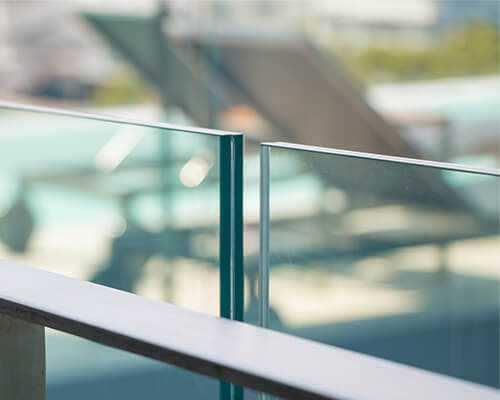
Laminated glass is used in windows, skylights, glass facades, and balustrades. It is especially important in buildings requiring safety, security, or soundproofing.
Interior Design
In homes or offices, laminated glass can be used for decorative partitions, glass stairs, or even artistic installations. Its versatility allows for creative designs.
Security and Safety
Banks, jewelry stores, and other high-security locations often use laminated glass to protect valuable items and prevent break-ins.
Advantages Over Other Types of Glass
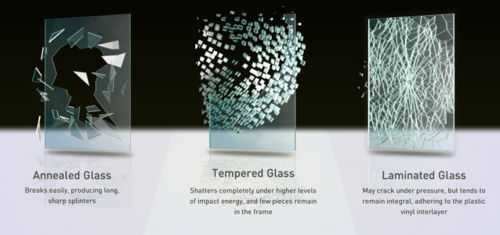
Compared to tempered or regular glass, laminated glass offers ongoing benefits:
- Safety
- Even if it breaks, the glass remains in place due to the PVB interlayer, reducing injury risk.
- Security
- The strength and bonding make it harder to break through, offering better protection against forced entry.
- UV and Noise Filtering
- Provides additional layers of UV protection and sound blocking, not typically found in standard glass.
- Durability
- Resists weathering, UV radiation, and physical impacts, extending its lifespan.
Limitations and Considerations
While laminated glass provides numerous benefits, it also has some limitations:
- Cost: Generally more expensive than regular glass due to manufacturing complexity and materials used.
- Weight: Heavier, which requires stronger framing and installation methods.
- Scratches: The surface can be scratched, affecting appearance over time.
- Repair: While broken, it often needs replacement rather than repair, which can be costly.
Maintenance and Care Tips
Maintaining laminated glass ensures its longevity and appearance:
- Clean with mild soap and water, avoiding abrasive cleaners that can scratch the surface.
- Inspect regularly for cracks or damage, and replace if necessary.
- Ensure proper installation to prevent stress or damage over time.
Environmental Impact and Recycling
Laminated glass is recyclable, helping reduce waste. The PVB interlayer can be separated from the glass during recycling. Recycling helps conserve resources and lowers environmental impact.
Related Topics
For those interested in laminated glass, exploring related topics can be helpful:
- Tempered Glass: Stronger than regular glass but breaks into small, blunt pieces.
- Insulating Glass Units: Layers of glass separated by air or gas-filled spaces to improve insulation.
- Glass Security Films: Films applied to existing glass to improve strength and safety.
- Smart Glass: Glass that can change transparency or color with electric signals.
Laminated glass offers a combination of safety, security, and versatility that makes it ideal for many environments. Its ability to resist shattering and reduce noise, UV rays, and weather effects has made it a preferred choice across various industries. When choosing laminated glass, consider the specific needs of your project and the types best suited for your application. Proper installation and maintenance will ensure you enjoy its benefits for many years to come.
Did you know that laminated glass is a top choice????
Frequently Asked Questions
What are the main components of laminated glass?
Laminated glass consists of two or more glass layers bonded together with a plastic interlayer, usually made of polyvinyl butyral (PVB). This interlayer holds the glass pieces together if they break, providing added safety and security. The combination results in a durable and flexible panel that maintains its integrity even when damaged.
How does laminated glass improve safety compared to regular glass?
Laminated glass enhances safety by preventing shards from scattering when it breaks. The plastic interlayer holds the shattered glass pieces in place, reducing the risk of injuries. This feature makes laminated glass a preferred choice for areas where safety is a priority, such as car windshields, skylights, and building facades.
In what ways does laminated glass contribute to energy efficiency?
Laminated glass offers better insulation than standard glass by reducing heat transfer through its layers. The interlayer can be treated with coatings or films that block UV rays and infrared light, helping to maintain interior temperatures effectively. This results in lower energy bills and enhanced comfort inside buildings.
Final Thoughts
Laminated glass consists of two or more glass layers bonded together with a plastic interlayer. This design enhances safety by preventing shards from flying in case of breakage. It also offers increased UV protection and noise reduction.
Laminated glass finds applications in vehicles, buildings, and security features. Its durability and safety benefits make it a popular choice in modern construction.
In conclusion, what is laminated glass? It is a layered glass system that improves safety, security, and comfort efficiently.

Similar Posts