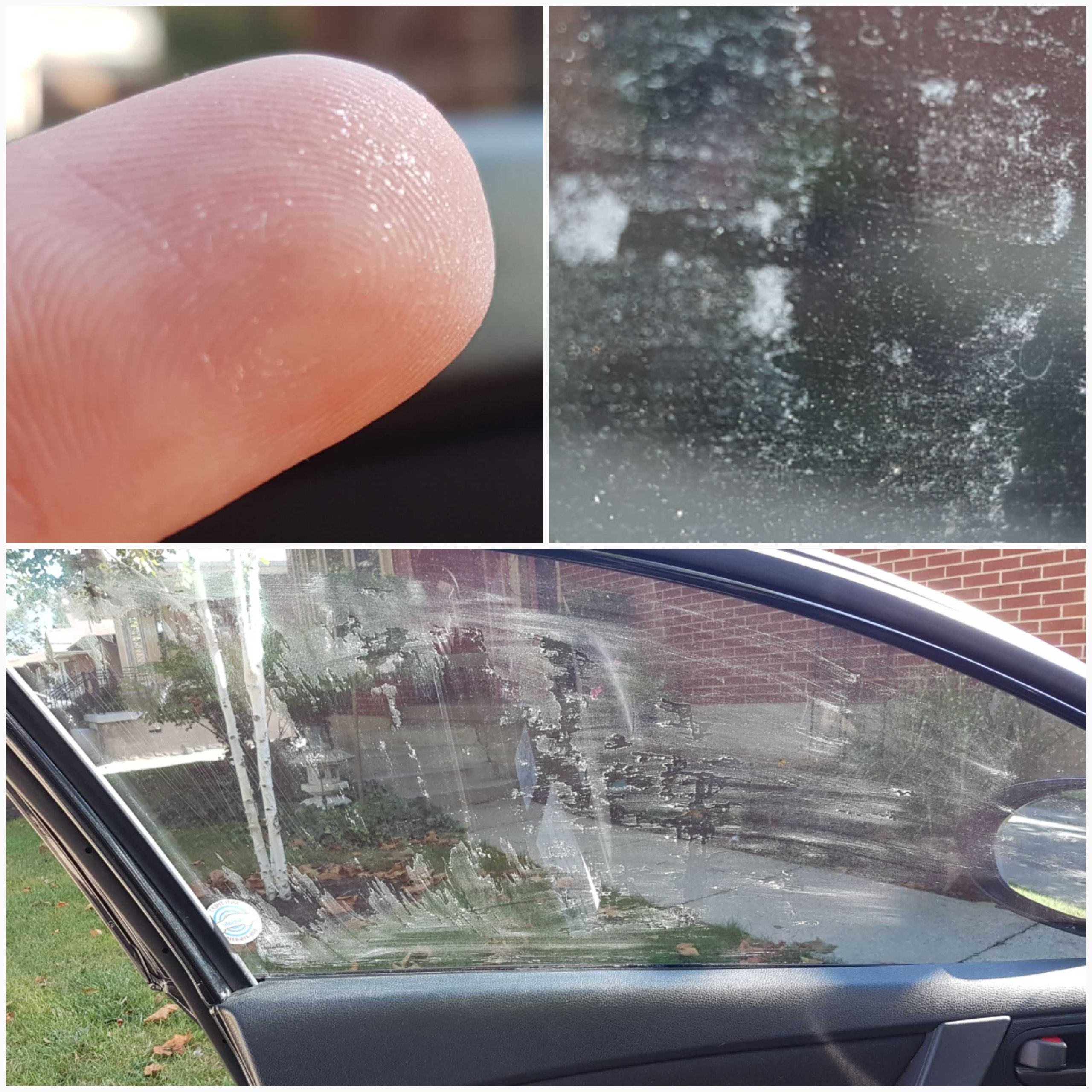
Yes, you can put car wax on windows, but it’s not recommended for regular use. While wax can provide a temporary shine and some water resistance, it’s not designed for glass surfaces and might cause smudges or reduced visibility.
Applying car wax on windows is generally not advisable because it can create a film that makes it harder to see clearly, especially when driving in rain or low light conditions. However, a small amount of wax used carefully might help in restoring some gloss or repelling water briefly. For proper maintenance, using dedicated glass cleaners and treatments is far more effective and safer. This article will explore whether waxing windows is a good idea, what products to avoid, and the best alternatives to keep your windows clean, clear, and safe.

Can You Put Car Wax on Windows? Exploring the Truth
Understanding Car Wax and Its Purpose
Car wax is designed mainly to protect a car’s paintwork from dirt, UV rays, and minor scratches. It creates a smooth, shiny layer that helps water slide off easily. However, many car owners wonder if this protective layer can be applied to windows for added benefits.
Why Do People Consider Waxing Windows?
Some believe that waxing windows might make them clearer or easier to clean. Others think it could add a protective layer to prevent dirt buildup or water spots. Before applying wax to windows, it’s essential to understand whether it’s suitable or not.
Can Car Wax Be Applied to Windows?
In general, most experts recommend against applying traditional car wax on windows. Car wax formulas are primarily designed for painted surfaces, not glass. Applying wax to windows can lead to more harm than good if done improperly.
What Happens If You Put Car Wax on Windows?
Applying wax to windows can cause a cloudy or streaky film on the glass. This film can impair visibility, especially during rain or at night. In addition, wax residues may harden over time, making cleaning more difficult and potentially damaging the glass surface.
Potential Risks of Waxing Windows
Applying wax to glass surfaces carries certain risks, including:
- Reduced visibility: Wax can create a film that makes it harder to see clearly through the glass. This is especially dangerous while driving in poor weather conditions.
- Hard-to-remove residues: Wax can become sticky or cloudy over time, requiring special cleaners to remove.
- Possible damage to window coatings: Some modern windows have special coatings, and wax might interfere or cause degradation.
What Types of Waxes Are Not Suitable for Windows?
Most traditional car waxes contain oils and fillers meant for paint, not glass. For example:
- Car paste waxes: Designed for painted surfaces, these can leave residues on glass.
- Liquid waxes: Often contain oils that can leave streaks or smudges on windows.
- Polymer or synthetic waxes: While sometimes more durable on paint, they might still be unsuitable for glass.
Are There Exceptions or Special Waxes for Windows?
Some products are explicitly made for glass, often labeled as “glass sealants” or “glass protectants.” These are formulated to provide a protective barrier without impairing visibility. These products are a better choice if you want to enhance your windows’ durability.
Differences Between Glass Sealants and Car Waxes
| Feature | Car Wax | Glass Sealant |
|———|———|————–|
| Purpose | Protects paint | Protects glass surfaces |
| Composition | Oils and fillers | Silicones or special polymers |
| Application | On painted surfaces | On glass surfaces |
| Effectiveness | Enhances shine and paint protection | Improves water runoff and reduces spotting |
The Proper Way to Maintain Car Windows
Instead of waxing, focus on cleaning and protecting windows through appropriate methods:
- Use a dedicated glass cleaner for regular cleaning.
- Apply a glass-specific protectant or sealant for added water resistance.
- Wipe windows with a microfiber cloth to prevent streaks.
- Avoid abrasive materials that can scratch or damage the glass surface.
How to Properly Apply Glass Protectants
Applying glass protectants is simple and effective:
- Clean the windows thoroughly with a glass cleaner and a lint-free cloth.
- Apply the protectant evenly using a clean microfiber cloth or applicator pad.
- Allow the product to cure as per manufacturer instructions.
- Buff the surface with a clean cloth for a clear, streak-free finish.
Benefits of Using Proper Glass Sealants
By choosing the right products, you can enjoy:
- Enhanced water runoff, leading to fewer water spots.
- Improved visibility during rain or snow.
- Less need for frequent cleaning.
- Protection against dirt, grime, and road salts.
Common Misconceptions About Waxing Windows
Many believe that waxing windows is a quick fix for clarity. Others think it provides long-term protection. In reality, improper application can impair vision and may require extensive cleaning to remove residues.
Summary: Should You Wax Your Car Windows?
While it might seem beneficial, applying traditional wax to windows is generally not advised. Instead, opt for products specifically designed for glass surfaces. Regular cleaning and using dedicated glass protectants will keep your windows clear and protected without risking visibility or safety.
Additional Tips for Maintaining Clear Windows
Consider these tips for consistently clean and clear windows:
- Wash windows frequently with quality glass cleaner.
- Use a microfiber cloth to prevent streaks and scratches.
- Apply a glass sealant annually for water resistance.
- Remove stubborn stains with gentle, non-abrasive tools.
Related Topics
Explore other ways to enhance your vehicle’s appearance and safety:
- Best practices for car paint protection
- Choosing the right tire dressing and protectants
- How to clean and maintain your car’s headlights
- Interior car cleaning tips for a fresh look
Applying wax directly to your car windows isn’t the best choice. Opt for glass-specific products and proper cleaning techniques to keep your visibility clear and safe. Remember, protecting your windows with the right products ensures a safer and more enjoyable driving experience.
Solving The Biggest Problems With Windows
Frequently Asked Questions
Is applying car wax on windows safe for the glass surface?
Applying car wax on windows can be safe if you choose a product designed for glass surfaces and apply it carefully. Use a wax formulated specifically for glass to avoid damage or streaks. Ensure the wax does not contain abrasive ingredients that could scratch the glass. Always follow the manufacturer’s instructions and test a small area first to see how the wax interacts with your windows.
Will waxing windows improve visibility while driving?
While waxing windows may provide a temporary protective layer and potentially reduce water and dirt buildup, it is not a substitute for proper glass cleaning. If the wax creates a haze or smears, it can hinder visibility. For best results, use a glass-specific cleaner and avoid applying wax directly on the entire window surface, especially on areas critical for clear vision such as the windshield and side windows.
Can wax on windows cause damage during rain or cleaning?
Wax on windows can cause streaks or smudges during rain or when cleaned if not applied properly. It may also trap dirt and debris, leading to scratches during cleaning. To prevent damage, apply a thin, even layer of wax, and ensure it is fully cured before exposing the window to water or cleaning agents. Regular cleaning with suitable glass cleaner helps maintain clarity.
Are there specific types of wax that work better on glass surfaces?
Yes, some waxes are formulated explicitly for glass surfaces and offer better protection and a smoother finish. Look for products labeled as glass wax or glass sealant. These typically contain ingredients that bond well with glass, creating a resistant layer that repels water and dirt without leaving residues or streaks. Always check the product label to confirm compatibility with automotive glass.
What is the best way to apply wax on car windows if I choose to do so?
Start by thoroughly cleaning the windows to remove any dirt or residue. Apply a small amount of the glass-specific wax to a soft cloth or applicator pad. Use gentle, circular motions to spread the wax evenly across the glass surface. Let it cure according to the product instructions, then buff the window with a clean, dry microfiber cloth to remove any excess wax and achieve a clear finish. Avoid applying wax on rainy days or in direct sunlight for optimal results.
Final Thoughts
Can you put car wax on windows? While it might seem like a good idea to protect your windows with wax, it’s generally not recommended. Wax can create a streaky surface that reduces visibility and hampers wiper performance.
Instead, use products formulated specifically for glass to keep your windows clear and safe. Proper cleaning and regular maintenance ensure optimal visibility and safety while driving. Ultimately, sticking to appropriate glass cleaners is the best choice to keep your windows clean and clear.

- What Size Windshield Crack Can Be Repaired? - August 4, 2026
- How Long Glass Coatings Last, and Why Yours Stopped - August 4, 2026
- Windshield Repair vs. Replacement: When You Can Fix It and When You Can’t - July 12, 2026