What To Do When Car Windows Foggy: Effective Solutions
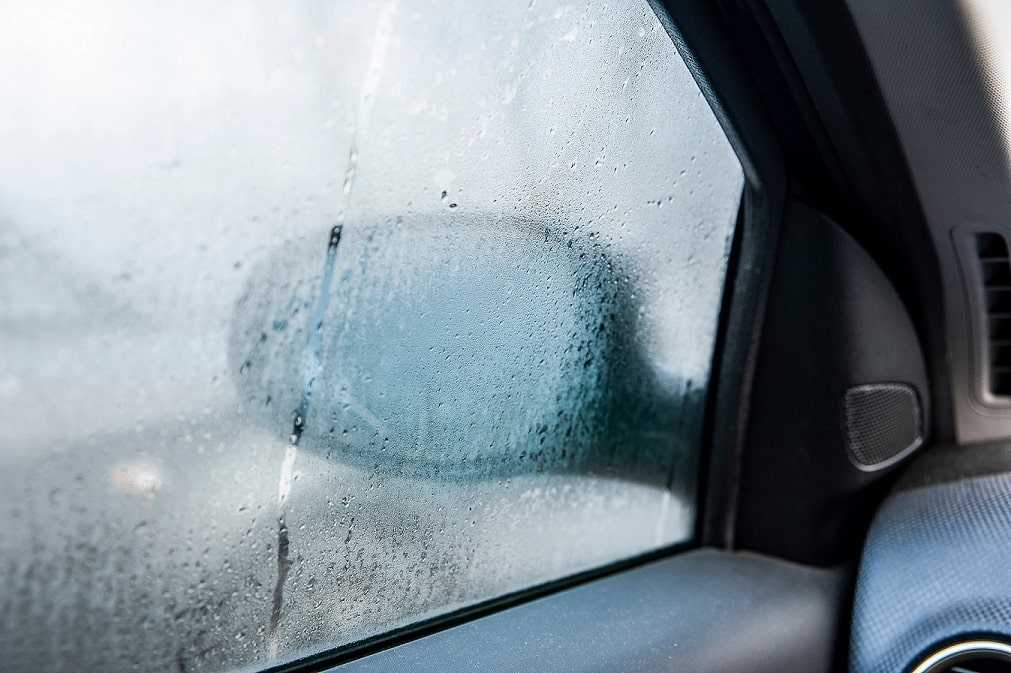
To clear foggy car windows quickly, activate the defrost setting, turn on the air conditioning, and increase the airflow to the windshield. Using a clean cloth to wipe the fog and ensuring your car’s ventilation system is working properly can also help prevent future fogging. These simple steps will restore clear visibility and keep your drive safe.
When your car windows get foggy, it can feel like a nightmare, especially when you need to see clearly in bad weather or early mornings. Foggy windows happen when moisture inside the car condenses on the glass, reducing visibility and creating a safety hazard. Luckily, there are straightforward methods to clear your windows fast and prevent this from happening again. From adjusting your vehicle’s climate controls to using quick manual tricks, knowing the right steps can make all the difference. In this guide, we’ll explore effective tips and practical solutions to keep your car windows clear, ensuring a safer, more comfortable drive every time.

What to Do When Car Windows Foggy
Driving with foggy windows can be frustrating and dangerous. When your windows are covered in condensation, visibility drops, making it harder to see the road clearly. Luckily, there are simple steps you can take to clear your windows quickly and prevent this problem from happening again. This guide will walk you through the most effective methods to deal with foggy car windows, ensuring a safer and more comfortable drive.
Understanding Why Car Windows Fog Up
Before diving into solutions, it’s helpful to understand why windows fog. Foggy windows occur because of moisture. When warm, humid air hits the cooler glass surface, moisture condenses into tiny water droplets. This process is especially common in winter or rainy weather or when the inside of your car is humid due to breathing or wet clothes.
Factors That Contribute to Foggy Windows
- High humidity inside the vehicle: Activities like breathing, sweating, or wet items increase moisture levels.
- Temperature differences: Cold outside air cools the glass, making condensation more likely.
- Poor ventilation: Lack of airflow prevents moisture from escaping and allows fog to build up.
Understanding these causes helps you choose the right methods to clear fog efficiently.
Immediate Steps to Clear Foggy Windows
When your windows are foggy while driving, quick action is essential. Here are some immediate steps you can take to quickly improve visibility.
Use Your Car’s Defrost Setting
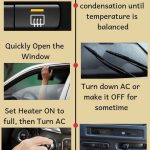
Switch your climate control to the defrost mode. This directs warm air toward the windshield and side windows, helping to evaporate moisture. Adjust the fan speed to high for faster results, but be careful not to blow cold air if the engine isn’t warmed up.
Increase Air Circulation
Turn on the air conditioner or fan to promote airflow. Fresh outside air helps remove humid air from inside the vehicle. If possible, open a window slightly for additional ventilation, especially if the air inside feels overly humid.
Adjust Temperature Settings
Set the temperature to a warmer setting, which raises the glass temperature. Warmer glass reduces the chance of condensation forming. Combine this with the defrost setting for optimal results.
Use the Air Conditioning System
Although it might seem counterintuitive, turning on the air conditioning helps dehumidify the air inside your car. This removes excess moisture, preventing fog from returning quickly.
Wipe the Windows Gently
If visibility is severely reduced, use a clean cloth or special anti-fog wipe to gently clear the glass. Avoid pressing too hard to prevent scratching the surface.
Preventative Measures to Avoid Foggy Windows
Prevention is better than cure. Implement these tips to stop fog from forming or reappearing during your drive.
Use Anti-Fog Products
Apply a commercial anti-fog solution on your windows. These products create a thin, transparent film that prevents moisture from condensing on the glass. Reapply periodically for ongoing protection.
Maintain Proper Ventilation
Regularly vent your vehicle to allow moist air to escape. Use the fresh air intake setting rather than recirculation mode, which traps humidity inside.
Control Humidity Inside the Car
Keep windows and doors closed when possible. Remove wet clothes, umbrellas, or other moisture sources before driving. Using moisture-absorbing products like silica gel packs can also help reduce humidity.
Keep Windows and Glass Clean
Dirty or oily glass surfaces can worsen fogging. Regularly clean your windows with a glass cleaner to ensure optimal transparency.
Additional Tips for Fog-Free Driving
Besides immediate actions and prevention, consider integrating these habits into your routine.
Check Your Car’s HVAC System
Ensure your heater, air conditioner, and defrost functions work properly. Regular maintenance can improve their efficiency in controlling interior humidity and temperature.
Use a Dehumidifier or Moisture Absorbers
Products like silica gel or specially designed moisture absorbers can be placed inside the vehicle to keep humidity levels low, especially if you frequently park in humid environments.
Ensure Proper Cabin Air Filter Functionality
A clogged filter reduces airflow and effectiveness of your HVAC system. Replacing it as recommended can improve ventilation and reduce condensation issues.
Common Mistakes to Avoid When Dealing with Foggy Windows
Be aware of certain habits that can worsen fogging or delay clearing the windows.
Overusing Recirculation Mode
Relying solely on recirculation prevents fresh air from entering, increasing inside humidity. Always switch to fresh air mode when fog appears.
Using High Heat Without Ventilation
Applying excessive heat without sufficient airflow can cause uneven warming and exacerbate fogging. Balance heat and ventilation for best results.
Ignoring Regular Maintenance
Neglecting to clean the HVAC system or replace filters can diminish their efficiency in controlling moisture and temperature.

Similar Posts