Are Car Windows Tinted On The Inside Or Outside
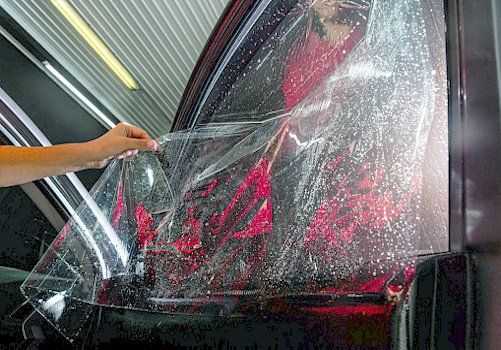
Car windows are typically tinted from the inside, making it easier to customize and maintain the appearance. This method involves applying a film directly onto the interior surface of the glass, offering better protection from the elements and easier repair options. Outside tinting is less common and often used for specialized purposes, such as temporary or aftermarket coatings.
Most car windows are tinted on the inside because it provides a cleaner, more durable finish that resists weather and UV damage. This approach also makes it easier to remove or replace the tint if needed, without affecting the outer glass. Whether you’re looking for privacy, UV protection, or a sleek look, interior tinting remains the most practical and popular choice for vehicles.
Thinking about tinting your car windows? Here’s the lowdown: the standard practice is to apply the tint on the inside of the glass. This not only helps protect the film from scratching and weather but also ensures a seamless, polished look. So, if you’re curious whether car windows are tinted on the inside or outside, the answer is generally on the inside, making your vehicle more stylish and functional.

Are Car Windows Tinted on the Inside or Outside?
Understanding the Basics of Car Window Tinting
Car window tinting involves applying a thin film to the glass to reduce heat, glare, and UV rays. Many car owners wonder whether these films are placed on the inside or the outside of the windows. Knowing this helps with maintenance, repair, and choosing the right tinting method.
Generally, Tints Are Applied Inside the Car Windows
Most professional window tints are installed on the inner side of the window glass. This approach is preferred for several reasons. The film adheres better to the interior surface, offering a smooth and durable finish.
Why Are Tints Usually on the Inside?
Applying tint inside protects the film from weather conditions like rain, snow, and wind, which can cause damage. The inside surface is less exposed to physical impacts like scratches or debris that could damage the tint. Therefore, interior application extends the lifespan of the tint.
Advantage of Interior Tinting
- Protection from weather elements
- Better adhesion and durability
- Less exposure to physical damage
- A cleaner, more seamless appearance
Are There Exceptions to the General Rule?
Yes, some specialized types of films or specific situations may involve exterior application. These cases are less common and usually involve specific purposes like temporary tinting or certain visual effects.
Temporary Tint Films
Temporary or removable tint films can be applied to the outside of the window for events or short-term use. These are often used for promotional purposes or vehicle wraps. They are easy to remove and do not require professional installation.
Specialized Vehicle Wrapping Films
In some instances, vehicle wraps or decorative films are applied on the outside. While these are not traditional tints, they are designed to alter the appearance of the vehicle and are temporarily adhered to the exterior surface.
How Are Tints Applied on the Inside?
Interior tinting involves several steps for proper installation. First, a professional cleans the glass thoroughly. Then, the film is carefully cut to match the window’s size and shape.
Installation Process
The installer sprays the inside glass with a cleaning solution to remove dust and fingerprints. Next, the film is aligned and applied to ensure no bubbles or creases. Finally, the film is smoothed out, and edges are trimmed for a perfect fit.
Tools and Materials Used
The process involves:
- Clean, high-quality tint film
- Squeegees for removing air bubbles
- Spray solutions for ease of application
- Heat guns for setting the film
Can You Tint the Outside of Car Windows?
While most tints are applied inside, some companies offer exterior tinting options, but these are not common or recommended. Exterior tinting can suffer faster wear and tear from environmental exposure.
Pros and Cons of Exterior Tinting
| Advantages | Disadvantages |
|---|---|
| Temporary application | Less durable and prone to peeling |
| Easy to remove or replace | Can damage the glass surface if not applied properly |
| Suitable for short-term needs | More vulnerable to weather and scratches |
Materials Used in Car Window Tints
There are different types of tint films, each with specific properties and installation needs.
Dyed Window Tint Films
These are the most economical and are applied on the inside. They absorb heat and reduce glare but may fade over time.
Metalized Films
These contain tiny metallic particles that reflect heat and light, offering better longevity. They are typically installed on the inside for optimal durability.
Carbon Films
Known for excellent heat rejection and color stability, these films are also applied on the interior surface.
Ceramic Tint Films
Made with advanced ceramic particles, these offer the highest UV protection and heat rejection and are applied inside.
Maintenance and Care for Tinted Windows
Proper care extends the life of window tints. Avoid rolling down the windows for a few days after installation to allow the film to set properly.
Cleaning Guidelines
Use a soft cloth and a mild cleaning solution. Do not use abrasive materials or ammonia-based cleaners, as they can damage the tint.
Common Mistakes to Avoid
- Scrubbing or using harsh chemicals
- Applying stickers or adhesives on the tint
- Ignoring professional installation for complex windows
Legal Regulations and Tinting Laws
Different regions have regulations about how dark or reflective window tints can be. These laws often specify the permissible tint shades on the front side windows.
Why Laws Matter
Adhering to local laws helps avoid fines and ensures safety, as law enforcement can see inside the vehicle during patrols.
Checking Your Local Laws
Always verify your regional tinting laws before installing or modifying your vehicle’s tint. Many state websites or local authorities publish this information.
Summary of Key Points
- Most window tints are applied on the inside of the glass for durability and protection.
- Exterior tinting is less common and usually temporary or decorative.
- Proper installation and maintenance are crucial for long-lasting results.
- Choose the right type of film based on your needs, budget, and legal restrictions.
Related Topics to Explore
- Best window tint shades for different climates
- How to select the right tinting film
- Professional vs. DIY window tinting
- Impact of window tinting on vehicle resale value
- Legal considerations for window tinting in your area
This thorough overview should help you understand whether car windows are tinted on the inside or outside, along with related matters. The consistent application of tint inside protects the film from environmental damage and ensures a sleek, long-lasting finish, making it the standard choice for most vehicle owners.

Similar Posts