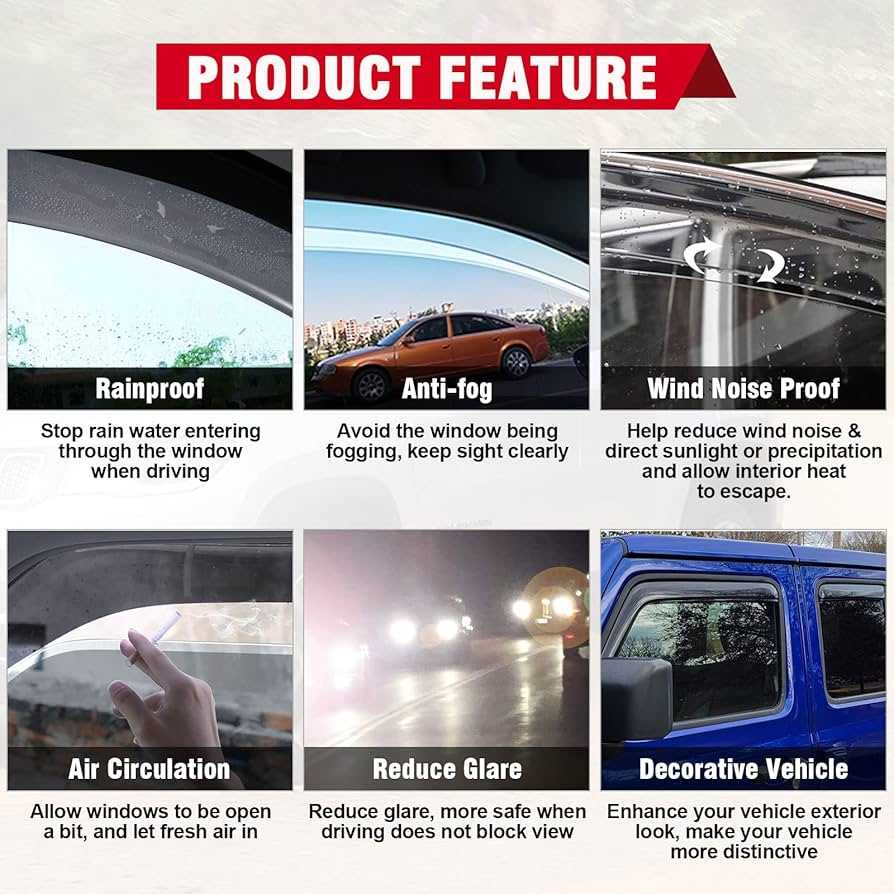
Yes, car window tint can help reduce noise inside your vehicle, making your driving experience more peaceful. While its primary purpose is to block UV rays and heat, many types of tint also act as a sound barrier, dampening external noise. However, the extent of noise reduction varies depending on the tint quality and installation.
In short, window tint can contribute to quieter rides by minimizing ambient sounds from outside the car. While it’s not a complete soundproof solution, it can make your cabin feel more insulated from road noise and traffic sounds. If you’re seeking a more serene driving environment, choosing thicker or specialized soundproof window tints might be a worthwhile investment.
Driving can be full of distractions and noise pollution, especially in busy city environments. Car window tinting isn’t just about privacy or style; it can also enhance your comfort by reducing external noise. When considering tinting options, look for products designed with soundproofing qualities to get the most benefit. Proper installation is key to maximizing noise reduction, so always choose professional services for the best results. Overall, while not a substitute for dedicated soundproofing, window tinting can be a helpful addition to improve your driving serenity.

Does Car Window Tint Reduce Noise?
Understanding How Car Window Tint Works
Car window tint involves applying a thin film to the glass surface. This film can be made from various materials, such as dyed plastic, metalized coatings, or ceramic compounds. The main goal of tinting is to block sunlight and reduce glare, but it can also influence noise levels inside the vehicle.
How Noise Enters a Car
Noise inside a vehicle mainly comes from external sounds like traffic, honking, and weather. These sounds pass through the glass and other parts of the car, making rides less comfortable. The materials and design of windows play a big role in how much noise enters the cabin.
Can Window Tint Reduce External Noise?
Many drivers ask if tinting windows can make their ride quieter. The short answer is yes, but the effect varies depending on the type and quality of the tint. High-quality window films can help block some of the sound vibrations traveling through the glass.
Why Certain Tints Help Reduce Noise
- Thicker Films: Thicker tints can absorb more sound waves, reducing noise transmission.
- Materials Used: Metalized or ceramic films contain materials that better block sound vibrations than basic dyed films.
- Improved Glass Insulation: Tints can add an extra layer that dampens noise, similar to double-glazing in windows.
Differences Between Types of Window Tints and Their Noise Reduction Capabilities
| Type of Tint | Material | Noise Reduction Effectiveness | Pros | Cons |
|---|---|---|---|---|
| Dyed Films | Dyed plastic | Moderate | Affordable, reduces glare | Less effective at blocking sound |
| Metalized Films | Metal particles | Good | Better sound dampening, high durability | Can interfere with electronic signals |
| Ceramic Films | Ceramic particles | Excellent | Superior noise reduction, no signal interference | More expensive |
Additional Benefits of Tinted Windows in Noise Control
Besides blocking sunlight, tinting can help create a quieter environment. It reduces the volume of external noises, making conversations easier and reducing driver fatigue. This is especially helpful in urban areas or on busy highways.
How Window Tinting Compares to Other Noise Reduction Methods
- Double Glazing: Offers significant noise insulation but is more costly and less flexible for existing cars.
- Adding Soundproofing Materials: Can be effective but usually requires professional installation and higher costs.
- Sealing and Weatherstripping: Helps reduce other noise paths but won’t impact glass vibrations as much.
Limitations of Window Tint in Reducing Noise
While tinting can help, it’s not a full solution for noise reduction. The glass still transmits some sound, especially at higher frequencies. Tinting works best when combined with other soundproofing techniques.
Choosing the Right Tint for Noise Reduction
When selecting a tint for noise reduction, consider the thickness and material. Ceramic films are generally best for those seeking improved soundproofing. Additionally, professional installation ensures the film adheres properly, maximizing effectiveness.
Additional Tips for Reducing Internal Noise
- Upgrade to Acoustic Glass: Specially designed for sound insulation.
- Use Soundproof Curtains or Mats: For additional noise dampening inside the vehicle.
- Maintain Your Vehicle: Keeping doors and windows sealed properly reduces noise leaks.
Real-Life Experiences and Studies
Various tests show that high-quality ceramic window tints can reduce noise by up to 3 decibels. While this may seem small, it makes a noticeable difference in terms of comfort. Drivers report feeling less fatigued and more relaxed during long drives with tinted windows.
Cost Considerations and ROI of Tinted Windows
High-quality ceramic films cost more but offer better noise reduction and durability. The investment can be worthwhile for frequent drivers or those seeking a quieter ride. Plus, tinting also provides privacy and UV protection, adding to its appeal.
In summary, car window tint can contribute to reducing external noise, especially when using thicker, quality films like ceramic options. While it isn’t a complete noise barrier, it works well as part of a broader soundproofing approach. For those looking to enjoy quieter rides, choosing the right tint and combining it with other methods can make a meaningful difference.
CARBON VS CERAMIC TINTS EXPLAINED!
Frequently Asked Questions
Can car window tinting help reduce external noise levels during driving?
Yes, certain types of car window tinting, especially those with thicker or specialized materials, can help diminish external sounds. The tint layers can absorb or reflect some noise, making your driving experience quieter. However, the extent of noise reduction varies depending on the quality and thickness of the tint applied.
Does the application of window film affect the resonance of sound within the vehicle?
Applying window film can reduce the resonance of sound waves inside the vehicle by creating a barrier that dampens vibrations. This results in less echoing and a more subdued interior noise level, especially at higher speeds. Films with multiple layers tend to provide better acoustic insulation.
Are there window tint options designed specifically for noise insulation?
Some advanced window tints incorporate materials aimed at improving soundproofing, such as acoustic films. These options are designed to enhance comfort by minimizing outside noise disturbances. If reducing noise is a priority, look for tint films labeled as soundproof or acoustic-grade when choosing your product.
Can window tinting interfere with the vehicle’s soundproofing materials?
Generally, window tinting does not interfere with the vehicle’s existing soundproofing materials. Instead, it complements them by providing an additional layer of sound absorption. Proper installation ensures that the tint works alongside the vehicle’s insulation to enhance overall noise reduction.
Final Thoughts
Car window tint can reduce noise by dampening external sounds, making your driving experience more comfortable. It acts as a barrier that absorbs some sound vibrations, especially useful in noisy environments. Although it doesn’t eliminate all noise, it offers noticeable improvement.
Overall, does car window tint reduce noise? Yes, it can significantly lessen the amount of outside noise that enters your vehicle, creating a quieter interior.

- What Size Windshield Crack Can Be Repaired? - August 4, 2026
- How Long Glass Coatings Last, and Why Yours Stopped - August 4, 2026
- Windshield Repair vs. Replacement: When You Can Fix It and When You Can’t - July 12, 2026