How To Maintain Laminated Car Windshield For Better Clarity

To keep your laminated car windshield pristine and long-lasting, regularly clean it with gentle products, avoid harsh scrubbing, and protect it from extreme weather conditions. Using quality windshield cleaners and applying a protective coating can also help preserve its clarity and durability.
Maintaining your laminated car windshield isn’t complicated if you follow some simple steps. Regular cleaning to remove dirt and debris, combined with gentle handling and protective measures, can significantly extend its lifespan and keep your view clear. Avoiding abrasive materials and harsh chemicals is key to preventing scratches and damage. Additionally, parking in shaded areas or using a windshield cover can shield it from UV rays and extreme weather, reducing wear over time. With a bit of routine care, your laminated windshield will stay pristine and reliable, ensuring safe and comfortable driving for years to come.
Your laminated car windshield is a critical part of your vehicle’s safety system, offering both visibility and impact resistance. Proper maintenance is essential not only for appearance but also for your safety on the road. In this guide, we’ll explore simple yet effective ways to keep your laminated windshield in top shape, so you can enjoy clear vision and peace of mind every time you get behind the wheel.

How to Maintain Laminated Car Windshield
Maintaining a laminated car windshield is crucial for safety and clarity. Proper care helps prevent damage, keeps your view clear, and extends the life of the windshield. In this guide, we’ll explore detailed tips and techniques to help you keep your laminated windshield in top condition.
Understanding the Composition of a Laminated Windshield
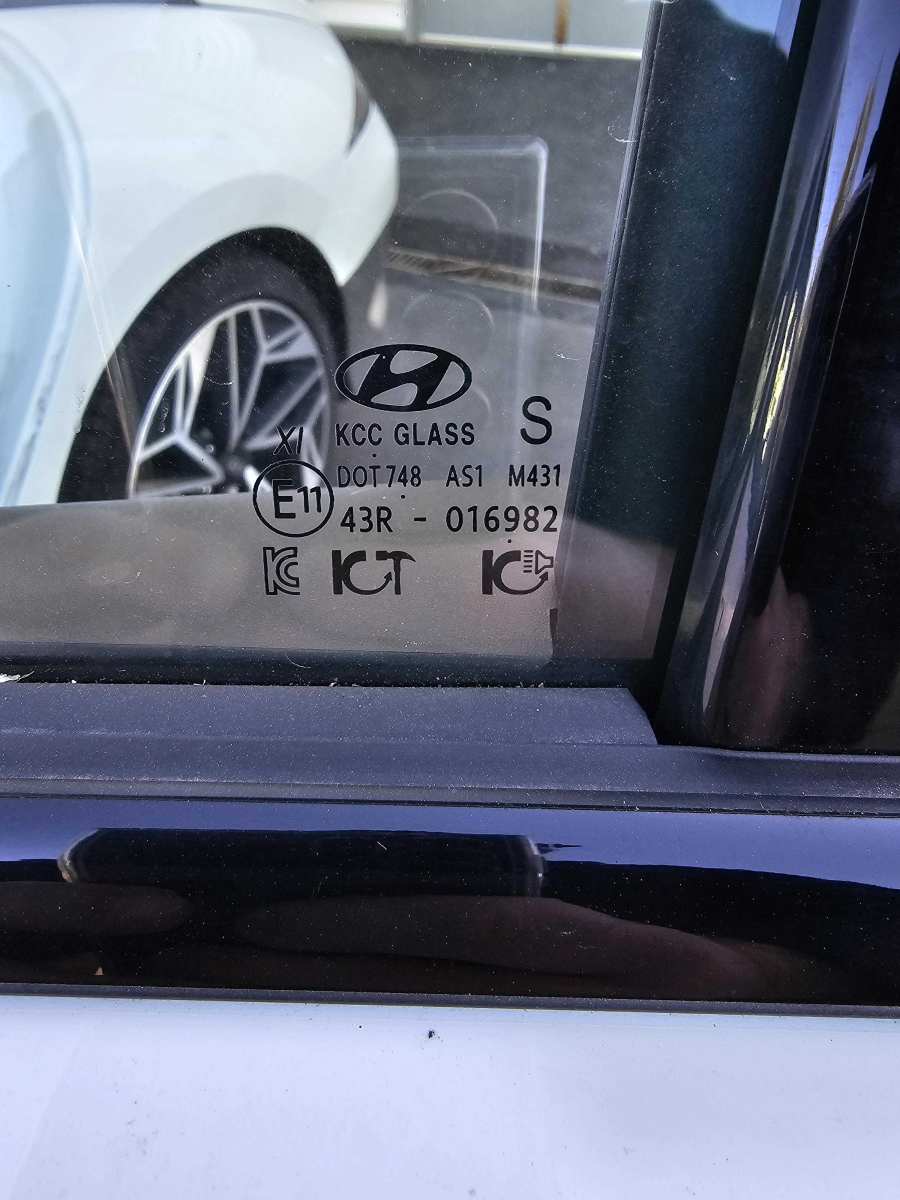
A laminated windshield is made of two glass layers bonded together with a layer of polyvinyl butyral (PVB). This design provides safety as it holds the glass together if shattered. Recognizing its structure helps you understand what types of damage and wear to look out for.
Regular Inspection and Visual Checks
Frequent inspections are essential to spotting small issues early. Look for cracks, chips, or scratches on the surface. Check for any cloudiness or haziness, which may indicate a problem with the lamination layer.
Checking for Cracks and Chips
Cracks can spread quickly if not addressed. Use natural light to examine your windshield closely. Small chips, especially in the driver’s line of sight, should be repaired promptly to prevent spreading.
Detecting Cloudiness or Discoloration
If the windshield appears cloudy or faded, it might be due to UV damage or delamination. Addressing these early helps maintain visibility and safety.
Cleaning Your Laminated Windshield Properly
Cleaning the windshield correctly enhances visibility and prevents scratches. Use gentle cleaning agents and soft materials to avoid damaging the lamination layer.
Choosing the Right Cleaning Products
Use a mild, non-abrasive glass cleaner or a mixture of water with a few drops of dish soap. Avoid ammonia-based cleaners as they can damage the laminated surface over time.
Using Proper Cleaning Tools
Opt for microfiber cloths or soft sponges for wiping. Avoid rough materials like paper towels or abrasive scrub brushes that might scratch the glass or damage the lamination.
Cleaning Technique
Spray cleaner evenly over the surface. Gently wipe in a circular motion, applying light pressure. For stubborn dirt, allow the cleaner to sit for a few seconds before gently wiping away.
Protecting the Windshield from Damage
Prevention is better than repair. Taking steps to shield your windshield reduces the risk of damage from external elements.
Installing a Windshield Cover
Using a windshield cover during winter or when parked for long periods prevents snow, ice, or debris from scratching or cracking the glass.
Parking Strategies
Whenever possible, park in shaded areas or garages to shield your windshield from harsh sunlight and temperature fluctuations, which can weaken the lamination over time.
Avoiding Sudden Temperature Changes
Sudden exposure to extreme heat or cold can cause the glass to expand or contract rapidly, potentially leading to cracks or delamination. Gradually warming or cooling the windshield helps prevent this.
Addressing Minor Damage Promptly
Small cracks or chips should be repaired quickly to avoid worsening. Immediate attention minimizes costs and preserves the integrity of your laminated windshield.
Types of Repairs
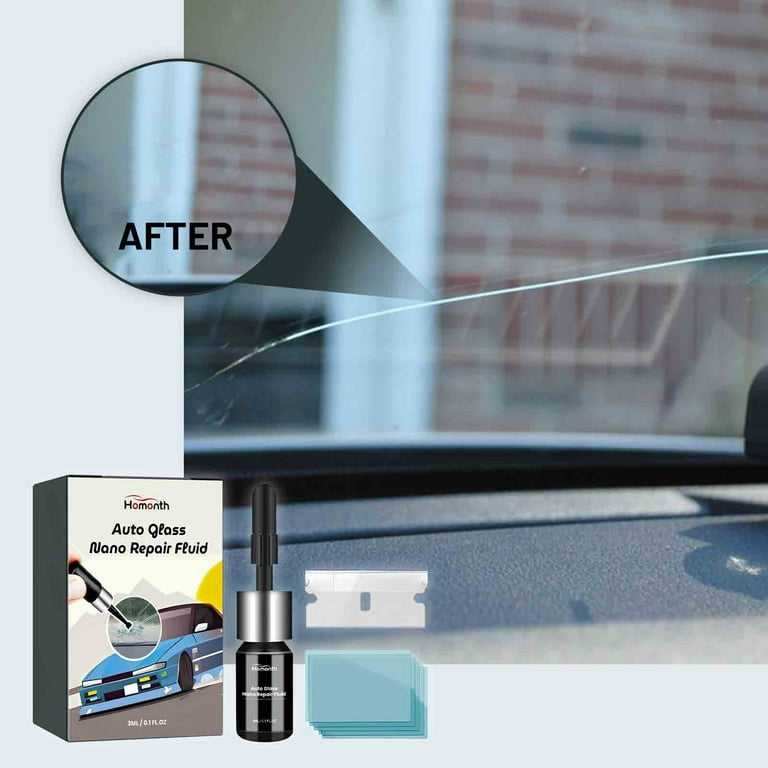
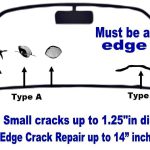
Most minor chips can be fixed with DIY repair kits. For larger or more complex damage, consult a professional. Repairing on time prevents the crack from spreading.
DIY Repair Process
Clean the area thoroughly before applying the resin from the repair kit. Follow the manufacturer’s instructions carefully. Once cured, the resin restores strength and clarity.
Using Proper Products for Maintenance
Select cleaning and repair products specifically designed for laminated windshields. These products are formulated to avoid damaging the lamination layer.
Choosing Quality Sealants and Repair Kits
Invest in high-quality sealants for repairs. Cheap or incompatible products can cause more harm and reduce the safety of your windshield.
Avoiding Harsh Chemicals
Stay away from solvents, strong acids, or alkalis that can degrade the PVB layer or cause discoloration. Stick to mild, approved cleaners and repair compounds.
Professional Maintenance and Replacement
Sometimes, DIY fixes are not enough. Regular professional check-ups ensure your windshield remains in good condition and is replaced when necessary.
Scheduled Inspections
Have your windshield inspected annually by a professional, especially after any damage or large impacts. Experts can identify issues invisible to the naked eye.

Similar Posts