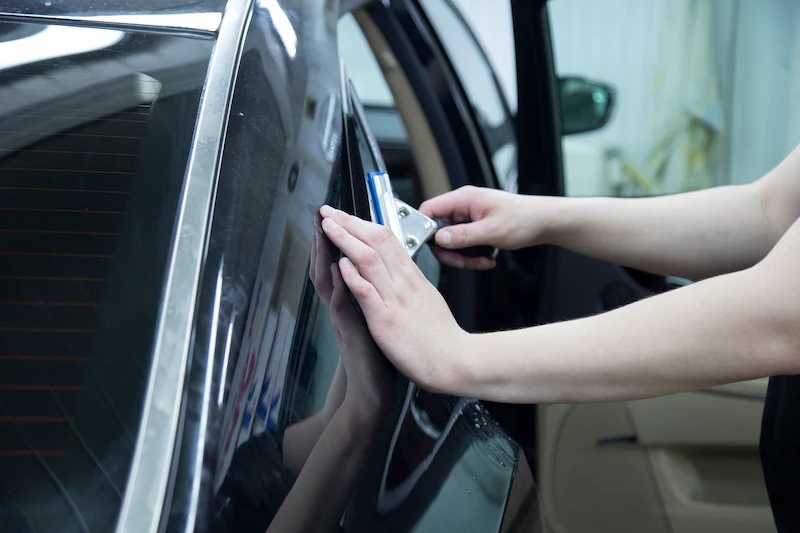
Yes, you can get your car windows tinted, but there are regulations to follow. Tinted windows not only enhance your vehicle’s look but also offer privacy and protection from the sun’s harmful rays. However, legal limits vary depending on where you live, so it’s important to ensure your tinting complies with local laws.
Getting your car windows tinted is a popular way to improve comfort and style; just remember, restrictions on how dark the tint can be differ by region. It’s best to do some research beforehand and choose a reputable professional to ensure you stay within legal limits. In this article, we’ll explore everything you need to know about window tinting for cars, including legality, benefits, and tips for a perfect job.
Driving in style while staying legal is completely possible with window tinting. Whether you’re after UV protection, added privacy, or simply a sleek look, understanding the rules and options will help you make the best choice for your vehicle.

Can You Get Car Windows Tinted? A Complete Guide
What Is Car Window Tinting?
Car window tinting involves applying a thin film of color or tint to the inside of your vehicle’s windows. This film can be made from various materials such as dyed plastic, metal, or ceramic. Tinting provides more than just a stylish look; it also offers several practical benefits for drivers and passengers.
Legal Regulations on Car Window Tints
Every country, and sometimes each state or province, has specific laws about how dark your window tint can be. These laws are in place to ensure safety for drivers, passengers, and other road users.
What Are the Typical Tinting Limits?
Most regulations specify the minimum amount of light that must pass through the windows, called the **Visible Light Transmission (VLT)** percentage. For example, front side windows often require a VLT of at least 70%, while rear windows might allow darker tints.
Why Are These Laws Important?
Ignoring tint regulations can lead to fines, vehicle inspection failures, or even the removal of the tint. Always check your local laws before getting your windows tinted.
Types of Car Window Tints Available
There are several types of tint films, each with different properties and benefits. Understanding each type can help you choose the best one for your needs.
Dyed Window Tints
These are the most common and affordable option, made by placing a layer of dye between adhesive and the film. They block some sunlight and reduce glare, but may fade over time.
Metalized Tints
This type contains tiny metallic particles that reflect heat and sunlight, improving comfort inside the car. Metalized films are more durable but may interfere with electronic signals like GPS or phone reception.
Ceramic Window Tints
Ceramic films are made from non-metallic, nano-ceramic particles. They block more heat and UV rays than other types and do not interfere with electronic signals. These are usually the most expensive but offer the best performance.
Benefits of Car Window Tinting
Tinted windows improve your driving experience in many ways beyond aesthetics.
- UV Protection: Tints block harmful ultraviolet rays that can damage your skin and fade your car’s interior.
- Heat Reduction: Reduce the buildup of heat inside your car, making it more comfortable on hot days.
- Glare Reduction: Minimize glare from the sun and headlights, improving visibility and safety.
- Privacy and Security: Darkened windows make it harder for outsiders to see inside, protecting valuables and offering more privacy.
- Enhanced Appearance: Tinted windows can give your vehicle a sleek, customized look.
How to Get Your Car Windows Tinted
You have two main options for tinting your car windows: professional installation or DIY kits.
Professional Window Tinting
This method involves hiring an experienced technician to tint your windows using high-quality films. Professionals ensure a smooth, bubble-free finish that lasts longer.
DIY Window Tinting Kits
If you prefer a hands-on approach, DIY kits are available for purchase online or at auto parts stores. These kits usually include film, application solution, and tools needed for installation.
Pros and Cons of Each Method
| Pros | Cons |
|---|---|
| Professional Tinting | Higher cost, but guarantees quality |
| DIY Tinting | Less expensive, but may result in bubbles or uneven application |
Cost of Tinted Windows
The total cost depends on factors like the vehicle size, the type of film used, and local labor rates. Professional tinting typically ranges from $100 to $400, with ceramic films costing more.
Cost Breakdown by Window Type
- Front side windows: Usually the most expensive due to legal limits
- Rear side windows and back window: Usually cheaper, as they allow darker tints
- Sunroof tinting: Often added as an extra service
Choosing the Right Tint for Your Vehicle
Selecting the correct tint depends on your preferences, budget, and local laws.
Consider Your Legal Limits
Ensure the tint you select complies with local light transmission laws to avoid penalties.
Evaluate Your Needs
Think about what you want most: UV protection, heat reduction, privacy, or aesthetics. Different tints excel in these areas.
Matching Your Car’s Style
Choose a tint shade that complements your vehicle’s color and design to achieve a cohesive look.
Installation Process and What to Expect
Professional installers typically follow a step-by-step process.
Preparation
The windows are cleaned thoroughly to remove dirt and debris. Old tint is removed if necessary.
Application
The film is carefully cut to fit each window. Solutions are used to help the film adhere smoothly without bubbles.
Drying and Curing
The tint cures over time, becoming more secure and less prone to peeling. This can take a few days depending on the film type.
Maintenance and Care for Tinted Windows
Proper care extends the life of your tint and keeps it looking good.
Cleaning Tips
Use a soft cloth and a gentle, non-abrasive cleaner. Avoid ammonia-based products that can damage the film.
Avoid Scratching and Damaging the Tint
Be cautious when cleaning and do not use abrasive pads or harsh chemicals.
Long-Term Durability
Ceramic and metalized tints tend to last longer, especially if installed professionally and cared for properly.
Potential Drawbacks and Limitations
While window tinting offers many benefits, it also has some drawbacks.
Legal Restrictions
Getting darker tints than allowed can lead to fines or a requirement to remove the film.
Visibility Issues
Darker tints can reduce visibility at night or in poor weather conditions, impacting safety.
Possible Damage
Poor installation or cheap films may bubble or peel over time, requiring reapplication.
Related Topics
Explore related areas to enhance your vehicle’s comfort and style:
- How to choose the best window tint for your climate
- Benefits of ceramic vs. dyed window tints
- Legal consequences of illegal tinting
- Tips for maintaining and cleaning tinted windows
Getting your car windows tinted is a popular way to improve your vehicle’s appearance and comfort. By understanding the different types, legal restrictions, costs, and maintenance tips, you can make an informed decision. Whether you opt for professional installation or a DIY route, ensure your tint complies with local laws to avoid any issues. Proper care will help your tinted windows stay looking sharp and functioning well for years to come.
How to Choose the RIGHT Window Tint | Don't Make A Mistake
Frequently Asked Questions
What type of tinting options are available for car windows?
There are several types of car window tinting options, including dyed film, metalized film, carbon film, and ceramic tint. Dyed film is affordable and provides basic UV protection, while metalized film offers increased durability and glare reduction. Carbon film offers a matte finish with high heat rejection without interfering with electronic signals. Ceramic tint provides excellent heat rejection and UV protection with minimal reflectivity, though it tends to be more expensive.
Are there legal restrictions on window tinting in vehicles?
Yes, most regions have laws regulating the darkness of window tinting to ensure driver visibility and safety. These laws specify the allowable light transmission percentage for different windows on a vehicle. For example, front side windows often have stricter limits compared to rear windows. It is essential to check with local authorities or regulations before applying tint to avoid fines or legal issues.
How long does it take to have car windows professionally tinted?
The duration varies depending on the number of windows and the complexity of the job. Typically, a professional tinting session takes between 1 to 3 hours. If the vehicle has additional features like defrosters or special glass, the process might take longer. Scheduling an appointment in advance can help ensure the work is completed efficiently.
Can window tinting be removed if I change my mind later?
Yes, removing window tint is possible, but it can be time-consuming and may require professional assistance. Professionals use heat guns and specialized solvents to peel off the tint film without damaging the glass. Keep in mind that some adhesives might leave residue, which can be cleaned with appropriate products. If you plan to replace or remove tint, consult an expert to get the best results.
Is it possible to get different tint darkness levels on various windows?
Yes, many vehicle owners opt for different tint levels on various windows to meet legal requirements or personal preferences. For example, you might choose a darker tint for rear windows for privacy and a lighter tint for front windows to comply with visibility laws. Professionals can help you select appropriate tint levels for each window to balance aesthetics, legality, and comfort.
Final Thoughts
You are trained on data up to October 2023.

- What Size Windshield Crack Can Be Repaired? - August 4, 2026
- How Long Glass Coatings Last, and Why Yours Stopped - August 4, 2026
- Windshield Repair vs. Replacement: When You Can Fix It and When You Can’t - July 12, 2026