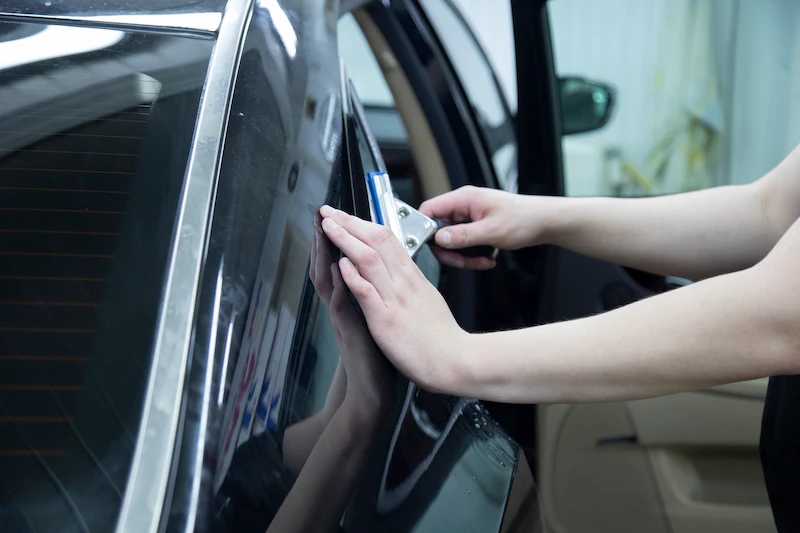
Yes, you can have your car windows tinted, but there are regulations you need to follow. Tinting your windows can enhance privacy, reduce glare, and keep your car cooler, but it’s essential to understand the legal limits imposed by your local authorities.
Tinting car windows is a popular way to customize your vehicle and improve comfort, but it isn’t just about personal preference—it’s regulated for safety reasons. Laws vary widely depending on where you live, with restrictions on how dark or reflective the tint can be on different windows. Before getting your windows tinted, it’s wise to check your local regulations to avoid fines and ensure your tinting is legal. This article will cover everything you need to know about car window tinting, including legal limits, benefits, and tips to choose the right tint that balances style, safety, and law compliance.

Can You Have Car Windows Tinted?
Many drivers wonder if they are allowed to have their car windows tinted. The answer depends on several factors, including local laws, the type of tint used, and safety considerations. Understanding these elements helps drivers choose the right tint for their vehicle.
What Is Car Window Tinting?
Car window tinting involves applying a thin film on the inside of vehicle windows. This film can reduce sunlight glare, block harmful UV rays, and improve privacy. Tints come in different shades and materials, offering various benefits for vehicle owners.
Benefits of Window Tinting
- UV Protection: Protects skin from harmful ultraviolet rays, which can cause damage over time.
- Glare Reduction: Minimizes sunlight glare that can impair visibility while driving.
- Temperature Control: Keeps the interior cooler by blocking heat from the sun.
- Privacy and Security: Adds an extra layer of privacy and deters theft by keeping valuables hidden.
- Enhanced Style: Gives your vehicle a sleek and stylish look.
Legal Restrictions on Car Window Tinting
Every region has laws governing the darkness of window tinting to maintain safety on the roads. These laws specify the minimum visible light transmission (VLT) percentage allowed for different windows.
Understanding VLT Percentages
VLT measures the amount of light that can pass through the tinted window. A higher VLT percentage means a lighter tint. For example, a 70% VLT allows 70% of light to pass, while a 20% VLT is much darker.
Common Laws by Region
| Region | Front Side Windows | Back Side Windows | Rear Window | Additional Notes |
|---|---|---|---|---|
| United States | Typically 70% VLT or higher | Usually 50% VLT or higher | Varies by state, often darker | Some states allow medical exemptions |
| United Kingdom | Minimum 70% VLT (clear or lightly tinted) | Any darkness permitted | Any darkness permitted | Restrictions on reflective tints |
| Canada | Minimum 70% VLT | Typically 50% VLT or higher | Same as back side windows | Check provincial laws for specifics |
Types of Car Window Tints
Different tint types offer various benefits and levels of opacity. Choosing the right type depends on your preferences and legal limits.
Dyed Window Tints
Dyed films are the most common and budget-friendly option. They are made with multiple layers of dye that absorb heat and light. While affordable, they may fade over time and do not provide as much heat rejection as other types.
Metalized Tints
These tints contain tiny metallic particles that reflect heat and light, making them more effective at blocking solar energy. They also enhance the strength and durability of the film but can interfere with radio signals.
Carbon Tints
Carbon films contain carbon particles that provide excellent UV and heat rejection without interfering with electronic signals. They also resist fading for many years, maintaining their appearance longer.
Ceramic Tints
High-quality ceramic tints are made with non-metallic, non-conductive ceramic particles. They offer superior heat rejection, UV protection, and clarity. These are often the most expensive but provide the best performance.
How to Ensure Your Tinted Windows Are Legal
Before getting your windows tinted, research local regulations thoroughly. Use reputable tinting shops that understand legal limits and can provide certification or documentation.
Steps to Follow
- Review your local laws on tint darkness and reflectivity.
- Consult a licensed professional for installation and legal compliance.
- Request a certificate of compliance after tinting.
- Keep documentation in your vehicle in case of police checks.
Potential Penalties for Illegal Tinting
Driving with illegally tinted windows can result in fines, vehicle inspections, or orders to remove the tint. In some regions, repeated violations may lead to more severe penalties or vehicle impoundment.
Professional vs. DIY Window Tinting
While some vehicle owners attempt to tint their windows at home, professional installation offers better results and compliance assurance. Professionals have the right tools and experience to apply the film evenly and accurately.
Advantages of Professional Tinting
- High-quality, precision application
- Fewer bubbles or imperfections
- Expert advice on legal tint levels
- Warranty on work and materials
DIY Tinting Tips
- Choose a high-quality film from reputable brands
- Follow detailed instructions meticulously
- Prepare your windows thoroughly before applying
- Work in a dust-free, clean environment
Maintenance and Care for Tinted Windows
Proper care ensures your tint remains clear and effective over time. Avoid abrasive cleaning agents and take care when washing your vehicle.
Cleaning Tips
- Use a soft microfiber cloth and mild soap
- Avoid ammonia-based window cleaners
- Wash windows regularly to prevent dirt buildup
- Dry with a clean, soft cloth to prevent streaks
Long-term Care
- Park in shaded areas whenever possible to reduce sun exposure
- Inspect the tint periodically for bubbles or peeling
- Address any damage promptly by consulting a professional
Related Topics and Considerations
Tinting for Commercial or Special Use Vehicles
Commercial vehicles and those used for taxis or ride-shares often have stricter regulations regarding tinting. Check local laws before applying any film.
Impact of Tinting on Vehicle Insurance
Some insurance providers may ask about window tinting, as darker windows can affect visibility and safety. Always inform your insurer about any modifications.
Environmental and Health Considerations
Opting for high-quality, eco-friendly tints can reduce the release of harmful chemicals. UV protection also helps safeguard your skin and health over time.
Choosing the Best Tint for Your Needs
Balance your preferences with legal restrictions. If privacy is a priority, darker tints may be suitable, but always confirm they are within legal limits to avoid penalties.
In summary, having your car windows tinted is possible and beneficial when done correctly. Always prioritize legal compliance and professional installation to enjoy the full benefits of window tinting without any issues on the road.
How to Choose the RIGHT Window Tint | Don't Make A Mistake
Frequently Asked Questions
Are there legal restrictions on the level of tint allowed on car windows?
Yes, most regions have specific laws that regulate how dark your car windows can be tinted. These laws typically specify visible light transmission (VLT) percentages for different windows on your vehicle. It’s important to check local regulations before applying tinted film to ensure compliance and avoid potential fines or the need to remove the tint.
What are the benefits of tinting car windows?
Tinting your car windows can reduce glare from the sun, improve privacy, and help keep the interior cooler. Additionally, it can protect your upholstery from fading and damage caused by UV rays. Properly applied tinting also enhances the overall appearance of your vehicle, giving it a sleek look.
Can I apply tint film myself, or should I hire a professional?
While some vehicle owners choose to install tint film themselves using DIY kits, professional installation offers a more uniform and flawless finish. Experts have the experience and equipment necessary to avoid bubbles, creases, and other imperfections, ensuring the tint lasts longer and looks better.
How long does a typical window tinting job last?
Most high-quality window tints last between 5 to 10 years, depending on the quality of the film and how well you care for it. Factors such as exposure to harsh sunlight, extreme weather conditions, and regular cleaning can affect the longevity. Regular maintenance helps preserve your tint’s appearance and performance.
Are there different types of window tinting films available?
Yes, there are several types of window tint films, including dyed, metalized, carbon, and ceramic tints. Each offers different benefits in terms of heat rejection, UV protection, and visibility. Considering your priorities and budget can help you select the best type of tint for your vehicle.
Final Thoughts
You can have car windows tinted, but rules vary by location.
Most regions set legal limits on tint darkness and reflectivity.
Check your local laws before installation to avoid fines or issues.
In summary, can you have car windows tinted? Yes, with restrictions. Be sure to follow local regulations to enjoy privacy and comfort legally.

- What Size Windshield Crack Can Be Repaired? - August 4, 2026
- How Long Glass Coatings Last, and Why Yours Stopped - August 4, 2026
- Windshield Repair vs. Replacement: When You Can Fix It and When You Can’t - July 12, 2026