Does Laminated Glass Increase Car Safety Benefits Explained
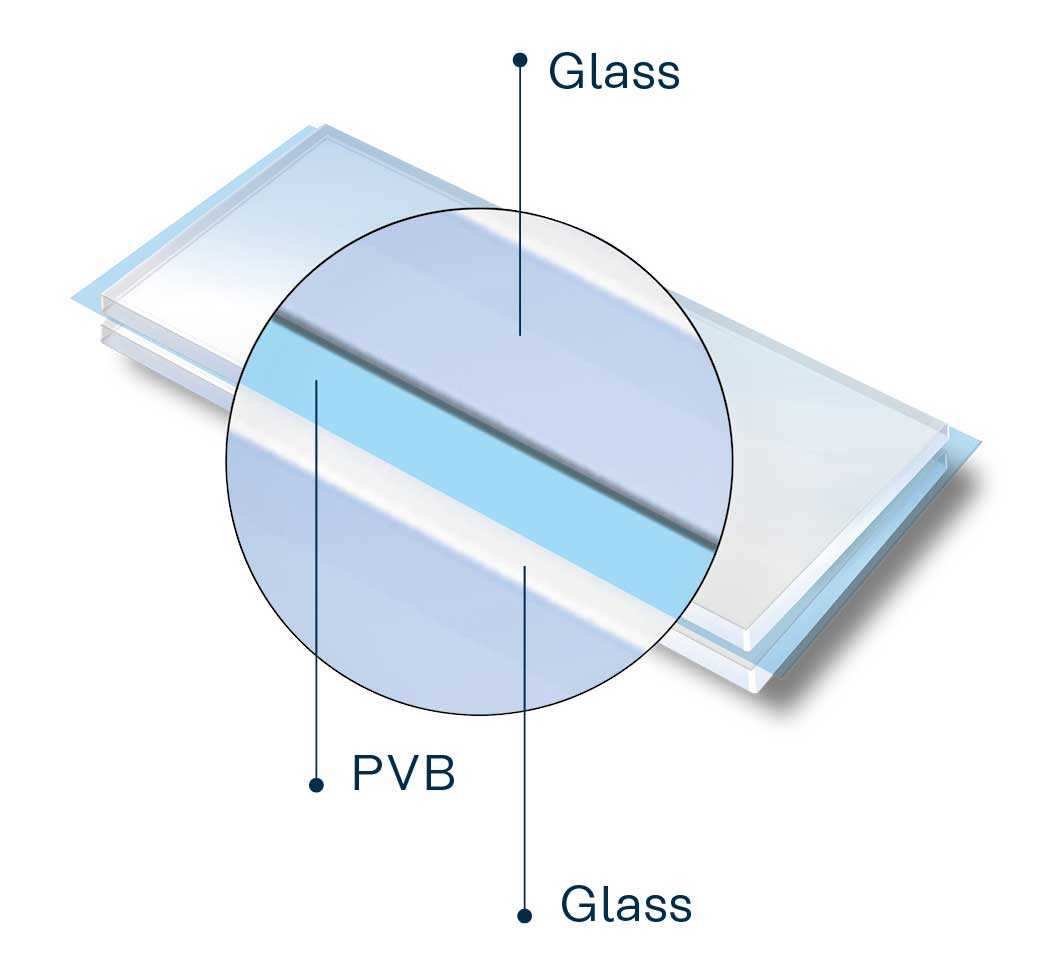
Yes, laminated glass significantly boosts car safety by holding shattered pieces together and reducing injury risks. It also acts as a barrier against projectiles and can improve UV protection. Installing laminated glass is a smart way to protect yourself and your passengers on the road.
Laminated glass is a game-changer for vehicle safety, offering more than just clear visibility. This type of glass is made by bonding two layers of glass with a plastic layer in between, which keeps the glass intact even when broken. Whether it’s from a collision, a flying object, or debris, laminated glass prevents shards from flying into the cabin, reducing the chance of injuries. It also enhances security, making it harder for intruders to break into your vehicle. If you’re thinking about upgrading your car’s safety features or just curious about how certain materials help keep you safe, understanding the benefits of laminated glass is a great place to start.

Does Laminated Glass Increase Car Safety?
What Is Laminated Glass?
Laminated glass is made by bonding two or more layers of glass with a strong plastic layer called polyvinyl butyral (PVB). This construction creates a safer, more durable type of glass commonly used in car windshields. Unlike regular glass, laminated glass holds together when broken, reducing the risk of injury.
How Does Laminated Glass Improve Safety?
One major safety feature of laminated glass is its ability to prevent glass shards from flying into the passenger area during a crash. When struck, it tends to crack but remains largely intact because the plastic layer holds the fragments together. This reduces the chances of cuts or other injuries caused by flying glass pieces.
The Role of Laminated Glass in Crash Protection
Laminated glass can absorb impact better than standard glass, distributing the energy throughout its layers. This means it can slow down or lessen the force of a collision, protecting passengers from injury. It also maintains the structural integrity of the window, which can help in situations like rollovers or crashes.
Enhanced Security Features
Laminated glass makes it more difficult for thieves to break into a vehicle. Its durability and resistance to shattering mean intruders can’t easily gain entry by smashing the glass. This added security helps protect valuables inside the car and can prevent theft.
Benefits of Laminated Glass for Pedestrian Safety
Laminated glass can also reduce injuries to pedestrians. Its ability to stay together after breaking means less glass debris can cause cuts or other injuries if someone hits the windshield. It also can help prevent the glass from shattering into tiny pieces that pose a danger.
Comparison Between Laminated and Tempered Glass
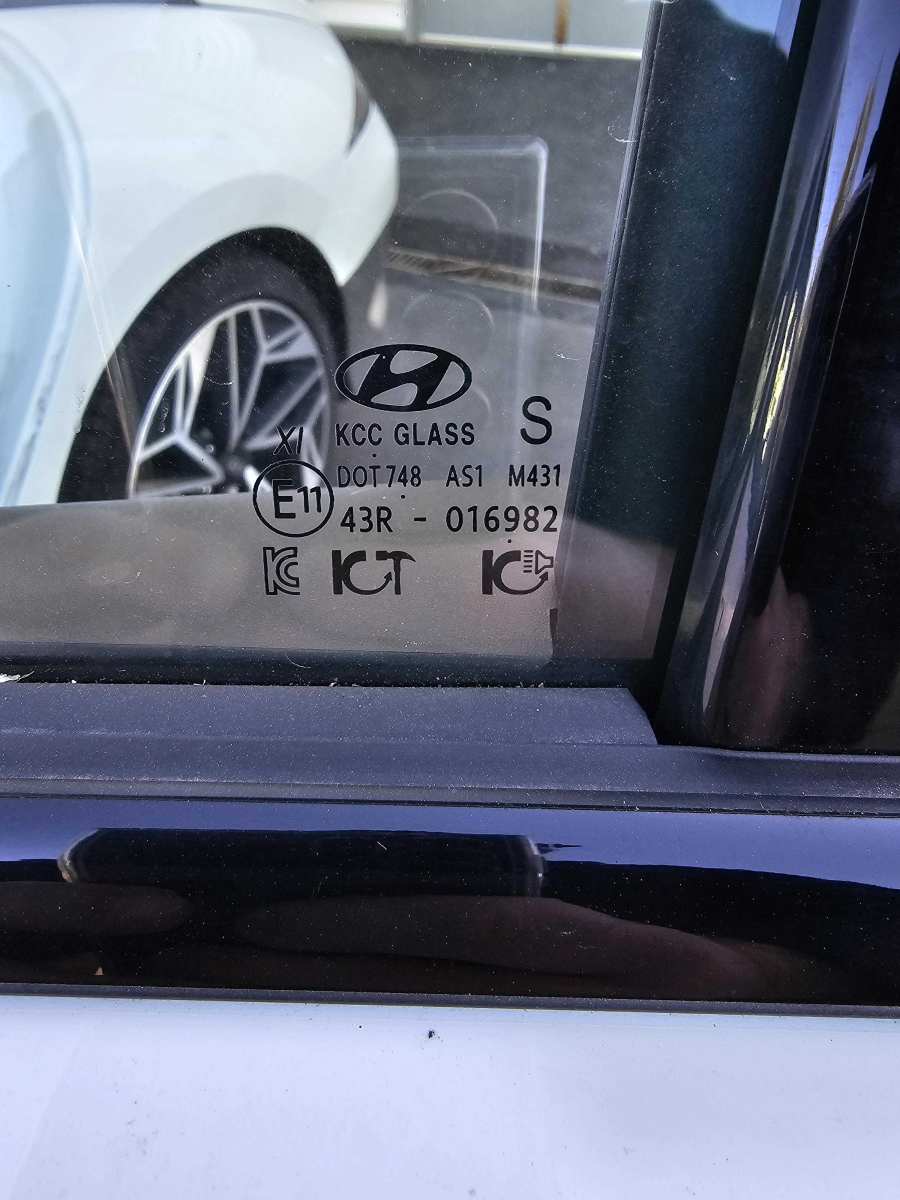
While both laminated and tempered glass are used in vehicles, they serve different safety purposes. Tempered glass, used in side and rear windows, shatters into small, blunt pieces to reduce injury. Laminated glass, mainly used in windshields, stays intact and prevents dangerous shards from flying around during crashes.
Table: Key Differences Between Laminated and Tempered Glass
| Feature | Laminated Glass | Tempered Glass |
|---|---|---|
| Construction | Layer of glass + plastic layer | |
| Breakage Pattern | Cracks but stays in place | |
| Usage | Windshields | |
| Safety Benefits | Prevents shards from flying | |
| Additional Security | Offers more protection from burglars |
Impact Resistance and Durability
Laminated glass is resistant to impacts, which means it can withstand minor collisions without breaking. This resilience enhances overall vehicle safety by maintaining window integrity in various driving conditions. Its durability also makes it longer-lasting compared to regular glass.
UV Protection and Climate Benefits
Besides safety, laminated glass offers extra advantages, such as blocking harmful ultraviolet (UV) rays. This protection helps prevent interior fading and reduces heat buildup inside the car, making driving more comfortable. Lower cabin temperatures also reduce the load on air conditioning systems.
Radars and Sensor Compatibility
Modern vehicles come equipped with sensors for safety features like automatic braking or lane assistance. Laminated glass can be tailored to accommodate these systems without interfering with their functions. This compatibility ensures that advanced safety features work seamlessly while maintaining glass safety benefits.
Laminated Glass and Vehicle Resale Value
A vehicle with laminated windshield typically retains higher resale value. Its added safety and security features appeal to buyers concerned about safety standards. Moreover, intact laminated glass indicates proper maintenance and can reduce repair costs after minor incidents.
Limitations and Considerations
While laminated glass enhances safety, it is not entirely shatterproof. In extreme impacts, it can still crack or break. Also, repairs or replacements can be more expensive than standard glass due to its layered construction. Nevertheless, the safety advantages often outweigh these drawbacks.
Innovations in Laminated Glass Technology
Recent technological advances include acoustic laminated glass that reduces noise inside the vehicle. Some variants also incorporate tinting or solar control layers, further improving comfort and safety. These innovations continue to make laminated glass a key safety feature in modern cars.
In summary, laminated glass significantly boosts car safety by preventing shards from causing injuries, resisting impacts, and enhancing security. Its role in protecting passengers and pedestrians underscores its importance in vehicle design. Choosing cars with laminated windshields means prioritizing safety for everyone on the road.
How Does Safety Glass Improve Car Safety? – Moments That Shocked Us
Frequently Asked Questions
How does laminated glass enhance the protection of vehicle occupants during a collision?
Laminated glass holds together upon impact, preventing shards of glass from scattering inside the vehicle. This feature reduces the risk of injuries caused by flying glass fragments and helps maintain the structural integrity of the windshield, thereby providing better protection for passengers in the event of an accident.
In what ways does laminated glass improve the vehicle’s resistance to break-ins?
Laminated glass is more difficult to penetrate compared to regular glass because the inner layer holds the glass together when someone attempts to cut or break it. This added strength acts as a deterrent for theft and vandalism, making it a valuable safety feature for vehicle security.
Can laminated glass help in reducing the severity of injuries from debris or external objects?
Yes, laminated glass minimizes the risk of injury caused by external objects such as stones, road debris, or falling items. Its design prevents large shards from flying into the vehicle, thereby offering a safer environment for occupants when driving on rough or debris-filled roads.
Does the use of laminated glass contribute to better visibility and driving safety?
Laminated glass often comes with coatings that reduce glare and ultraviolet rays, enhancing visibility while driving. Clearer views help drivers react more quickly to road hazards, ultimately improving overall safety on the road.
How does laminated glass impact the vehicle’s ability to withstand environmental obstacles?
Laminated glass withstands environmental challenges such as hail, wind-driven rain, and temperature fluctuations better than regular glass. Its durability helps maintain the vehicle’s structural integrity during harsh weather, contributing to safer driving conditions.
Final Thoughts
Laminated glass significantly enhances car safety by preventing glass shards from causing injuries during accidents. It holds the glass together, reducing the risk of ejected passengers and interior damage.
This type of glass also offers improved resistance to impacts and ballistic threats, adding an extra layer of security.
In conclusion, does laminated glass increase car safety? The answer is yes, it provides crucial protection, making it a valuable feature for vehicle safety.

Similar Posts