Does Laminated Glass Reduce Heat Inside Car Effectively

Yes, laminated glass can help reduce the heat inside your car. It acts as a barrier that blocks a significant amount of solar heat, making your vehicle cooler and more comfortable. By minimizing the amount of heat that enters through the windows, laminated glass can enhance your driving experience, especially during hot summer days.
Laminated glass, often used for car windows, is designed with a special plastic layer that not only holds the glass together upon impact but also provides thermal benefits. Many drivers wonder if this type of glass can make a real difference in keeping the interior temperature lower. The good news is that laminated glass does help reduce heat transmission from the sun, helping to keep the inside of your car cooler and potentially lowering air conditioning costs. If you’re looking for a smart way to beat the heat while on the road, upgrading to laminated glass could be a game-changer.

Does Laminated Glass Reduce Heat Inside Car?
Understanding Laminated Glass and Its Composition
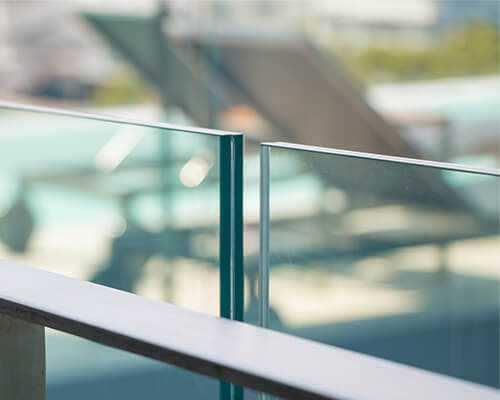
Laminated glass is made of two or more sheets of glass bonded together with a plastic layer, usually polyvinyl butyral (PVB). This plastic layer holds the glass sheets tightly in place, making the entire pane sturdy and shatter-resistant. Unlike standard glass, laminated glass offers added safety and security.
How Laminated Glass Differs From Other Types of Car Windows
Standard car windows are typically made from tempered or annealed glass, which can break into sharp shards. Laminated glass, on the other hand, stays intact even when shattered, preventing injuries. Its unique construction also impacts how much heat passes through the glass, which is our main concern.
Does Laminated Glass Help in Blocking Solar Heat?
Yes, laminated glass can significantly reduce solar heat entering a vehicle. The plastic layer absorbs and reflects a portion of the sun’s infrared rays, which are responsible for heating up the interior. This means that vehicles with laminated glass tend to stay cooler, especially during hot days.
Factors Influencing the Heat-Reducing Capabilities of Laminated Glass
Several factors determine how effective laminated glass is at reducing heat inside a car:
- Type of glass coating: Some laminated glass has special tinted or reflective coatings that enhance heat rejection.
- Thickness of the glass and laminate layers: Thicker layers provide better insulation against heat.
- Color tint: Darker tints block more sunlight but may reduce visibility.
- Infrared filtering: Some laminated glass is designed to block infrared rays more effectively, further reducing heat buildup.
Comparing Laminated Glass with Other Window Films
Vehicle owners often consider window films to decrease heat inside cars. Compared to these films, laminated glass offers permanent heat reduction without the risk of peeling or bubbling over time. However, films can be customized for specific heat rejection properties, sometimes exceeding laminated glass performance.
Advantages of Laminated Glass Over Window Films
- Fewer maintenance requirements
- Built-in shatter resistance
- More effective at blocking UV rays, which contribute to interior heat
- Long-lasting and less likely to degrade over time
The Role of UV and Infrared Rays in Car Heating
Sunlight contains ultraviolet, visible, and infrared rays. While UV rays cause damage to the interior and skin, infrared rays are mainly responsible for heat. Laminated glass can be specifically engineered to block a large percentage of infrared radiation, reducing how much heat gets into your car.
Impact of Tinted Laminated Glass on Heat Reduction
Tinted laminated glass can cut down on heat infiltration even more. Tinting involves adding color to the glass, which reflects sunlight and reduces heat transfer. It is a popular choice for drivers wanting a cooler interior without compromising visibility.
Temperature Differences with and without Laminated Glass
Studies show that cars with laminated glass can be up to 15-20% cooler inside compared to those with standard glass. During peak sunlight hours, this difference can mean the interior temperature remains more comfortable, reducing the need for air conditioning.
How Laminated Glass Affects Air Conditioning Efficiency
By reducing heat gain, laminated glass lessens the workload of your air conditioning system. Cooler interiors mean less energy consumption and potentially better fuel economy. This also leads to less wear on your vehicle’s AC components over time.
Additional Benefits of Using Laminated Glass in Cars
Besides heat reduction, laminated glass offers:
- Enhanced safety and security against break-ins
- Protection from UV rays, which can fade upholstery and harm skin
- Reduction of glare, making driving in bright conditions easier
Cost Considerations and Installation
Laminated glass is generally more expensive than standard glass but offers long-term savings due to reduced cooling costs. Professional installation ensures optimal performance in heat reduction and safety features.
Summary
In sum, laminated glass can effectively reduce heat inside a car by blocking infrared rays, UV radiation, and solar energy. Its construction provides a natural insulation barrier, keeping the interior cooler and more comfortable. When combined with tinted or coated options, laminated glass becomes an even more powerful tool for controlling vehicle temperature and enhancing driving comfort.
Why do race cars use polycarbonate instead of laminated glass? #automobile #car #safetytips
Frequently Asked Questions
How does laminated glass affect the interior temperature of a vehicle?
Laminated glass helps lower the interior temperature of a vehicle by blocking a significant portion of infrared and ultraviolet rays from entering. This reduction minimizes heat buildup inside, making the cabin cooler and more comfortable, especially during hot weather.
Does laminated glass improve the efficiency of air conditioning systems in cars?
Yes, laminated glass can improve air conditioning efficiency by reducing the heat that enters the vehicle. With less heat to counteract, the air conditioning system doesn’t need to work as hard, which can save fuel and decrease energy consumption.
Can laminated glass be beneficial for driving comfort during summer months?
Absolutely. Laminated glass diminishes solar heat gain, leading to a cooler environment inside the car. This makes driving more comfortable, especially in intense sunlight, and can help prevent the vehicle’s interior from becoming excessively hot.
How does the composition of laminated glass contribute to heat reduction?
The multiple layers in laminated glass, including a polyvinyl butyral (PVB) layer, absorb and reflect a portion of the solar radiation. This composition effectively reduces the amount of heat that penetrates through the glass into the vehicle’s interior.
Are there differences in heat reduction between laminated and tinted windows?
While tinted windows primarily decrease heat by absorbing or reflecting sunlight, laminated glass combines this with additional heat blocking properties through its layered construction. As a result, laminated glass often provides better overall heat reduction compared to tinted windows alone.
Final Thoughts
Laminated glass can help reduce heat inside a car by blocking some of the sun’s solar radiation. This type of glass reflects and absorbs heat, keeping the interior cooler.
While it doesn’t eliminate heat completely, laminated glass improves comfort during hot days. Its ability to minimize heat transfer makes driving more pleasant.
In conclusion, does laminated glass reduce heat inside car? Yes, it effectively decreases interior temperatures and enhances overall comfort.

Similar Posts