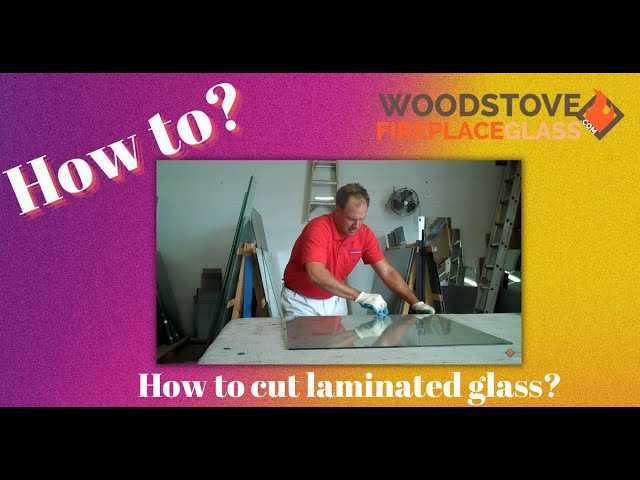
To cut laminated glass safely, use a specialized glass cutter with a tungsten carbide wheel, wear proper protective gear, and work on a stable, smooth surface. Applying even pressure and scoring multiple times ensures a clean cut without shattering the glass. Always handle the glass with care, and consider using a wet saw for larger pieces to minimize risk.
In short, cutting laminated glass safely involves using the right tools, protective equipment, and proper techniques to prevent accidents. Preparing your workspace and handling the glass carefully are crucial steps to ensure a smooth, safe process. Whether you’re a DIY enthusiast or a professional, knowing how to approach cutting laminated glass correctly can save you from injuries and costly mistakes.
Cutting laminated glass may seem intimidating due to its layered structure and potential for breakage, but with the right approach, it becomes manageable. Laminated glass, known for its durability and safety features, is often used in windows and doors. When cutting it, you need precision and safety precautions to avoid shattering the glass or harming yourself. This guide will walk you through the essential steps and tips to cut laminated glass safely, ensuring your project progresses smoothly without unnecessary risks. From choosing the right tools to applying the proper technique, you’ll learn everything needed to handle laminated glass confidently and securely.

How to Cut Laminated Glass Safely: A Complete Guide
Cutting laminated glass requires careful preparation and the right tools to ensure safety and precision. Laminated glass has a durable plastic layer between two glass sheets, making it stronger but also more challenging to cut. Understanding the proper techniques can help you avoid accidents and achieve clean cuts.
Understanding Laminated Glass and Its Properties
Laminated glass is made by bonding two or more layers of glass with a plastic interlayer, usually made of polyvinyl butyral (PVB). This construction increases safety because the glass holds together if broken. It is used in windows, doors, and security glass applications.
Its layered structure makes cutting more complex compared to regular glass, as the plastic layer can cause the glass to crack or shatter unpredictably if not handled correctly. Knowing these properties helps you plan your cut effectively.
Gathering the Essential Tools and Equipment
Before starting, assemble all necessary tools to ensure a smooth and safe cutting process. Proper tools minimize risks and improve the quality of your cut.
- Safety goggles to protect your eyes from glass shards
- Heavy-duty gloves to prevent cuts
- Measuring tape and marker for accurate measurements
- Glass cutter with a sharp wheel specifically designed for laminated glass
- Cutting mat or a sturdy work surface
- Masking tape to mark the cut line
- Clamps to secure the glass during cutting
- Optional: a wet sponge or spray bottle with water for lubrication
Preparing Your Workspace for Safe Cutting
Create a clean, flat, and stable workspace free from clutter. Use a sturdy table or workbench that can support the weight of the glass comfortably.
Lay down a soft cloth or foam padding underneath the glass to prevent accidental shattering or scratching. Ensure good lighting so you can clearly see your markings and cutting lines.
Measuring and Marking the Cut Line
Accurate measurements are key to a successful cut. Use a tape measure to find the exact dimensions needed for your project.
Mark your cut line with a fine-tip marker or wax pencil, ensuring the line is visible but not permanent. To prevent the marker from smudging, you can tape along the line with masking tape for extra precision.
Applying Masking Tape as a Guide
Lay strips of masking tape along the marked line. This helps keep the glass cutter wheel in contact with the glass and prevents slipping.
The tape also acts as a barrier to help produce cleaner cuts and reduce chipping along the edges. Recheck your measurements after taping to ensure accuracy.
Securing the Laminated Glass Before Cutting
Use clamps or a secure frame to hold the glass firmly in place. Moving or vibrating glass during cutting can lead to uneven edges or dangerous shattering.
Ensure the glass is supported evenly to avoid stress points that could cause breakage. Never attempt to cut glass while it is loose or unstable.
Choosing and Using the Correct Glass Cutter
A specialized glass cutter with a sharp tungsten carbide wheel is best for laminated glass. Regular cutters may not provide a clean cut and could damage the plastic layer.
Before starting, check that the cutter wheel is sharp and well-maintained. Dull wheels require more pressure and can cause uneven scoring.
Proper Technique for Scoring Laminated Glass
Place the cutter wheel on the start point of your marked line. Apply consistent, gentle pressure and move the cutter steadily along the line in one smooth motion.
Avoid pressing too hard, which can cause cracks or shattering. Maintain a steady speed to ensure a clean score line without jagged edges.
Using Water or Lubrication to Improve Safety and Quality
Lightly spray water along the cut line during scoring. This reduces heat and friction, decreasing the risk of cracking or damaging the plastic layer.
Water also helps achieve a smoother score and makes the cutting process more controlled. Always keep a spray bottle nearby during cutting.
Breaking the Laminated Glass Along the Score Line
Once scored, support the glass on both sides of the cut line. Place the glass on a flat surface with the score line aligned with the edge.
Apply gentle, even pressure on both sides of the scored line until the glass breaks cleanly in two. Use gloves to protect your hands during this step.
Handling and Finishing the Cut Edges
Inspect the edges of your cut for roughness or sharpness. Use a diamond file or sandpaper to smooth any jagged or uneven areas.
Cleaning the cut edges with a damp cloth removes dust and debris, leaving a safe and clean finish.
Tips for Cutting Laminated Glass in Different Situations
Cutting Large Laminated Glass Sheets
For larger sheets, move slowly and carefully to prevent stress buildup. Consider using additional clamps for extra stability.
Work with a partner if possible to support the sheet during scoring and breaking.
Cutting Curved or Irregular Shapes
Use a flexible ruler or template to trace curves accurately. Score along the curved lines in multiple passes if necessary.
Smooth curves require patience; avoid forcing the glass to bend during cutting.
Handling Broken or Cracked Laminated Glass
If the glass cracks unintentionally, carefully remove shards and dispose of broken pieces safely. Use a broom and dustpan for cleanup to avoid injuries.
Always wear protective gear when handling broken glass to prevent cuts or eye injuries.
Safety Precautions Throughout the Process
Never rush or apply excessive force during any stage of cutting. Remember, laminated glass can break unpredictably if mishandled.
Wear eye protection, gloves, and long sleeves to safeguard against flying shards. Keep a first aid kit nearby in case of minor injuries.
Work in a well-ventilated area to prevent inhaling dust or glass particles. Dispose of scraps responsibly and away from children and pets.
Additional Resources for Cutting Laminated Glass
Consult manufacturer guidelines for specific types of laminated glass. Some products require special tools or techniques.
Consider taking professional training or watching instructional videos for more complex cuts. Always prioritize safety and proper technique.
By following these detailed steps and tips, you can cut laminated glass safely and efficiently, whether for a home project or professional work. Proper preparation, tools, and safety measures make all the difference in achieving quality results without risking injury.
How To: Cut Laminated Glass
Frequently Asked Questions
What safety equipment should I wear when cutting laminated glass?
Always wear safety goggles to protect your eyes from shards, heavy-duty gloves to prevent cuts, and a dust mask to avoid inhaling glass particles. Using a long-sleeved shirt and sturdy pants offers additional protection against potential splinters and fragments during the cutting process.
How can I ensure the laminated glass stays stable during cutting?
Secure the glass firmly on a flat, non-slip surface using clamps or a specialized glass holding frame. This stability prevents unwanted movement, which can cause cracks or uneven cuts, ensuring a safer and cleaner process.
What is the best way to minimize glass shattering while cutting laminated glass?
Score the glass lightly with a wet diamond-tipped cutter along the desired line before applying gentle, even pressure. Keep the glass cool by spraying water during cutting to reduce stress and prevent shattering. Making multiple shallow passes is safer than forcing a deep cut in one go.
How should I handle and dispose of broken laminated glass safely?
Use thick gloves and a dustpan to carefully pick up large shards, then place fragments into a sturdy, puncture-proof container. Wrap larger broken pieces with thick paper or cloth before disposal to prevent injury for those handling trash. Always wash your hands thoroughly after handling broken glass.
Why is it important to avoid rushing the cutting process on laminated glass?
Final Thoughts
In conclusion, knowing how to cut laminated glass safely protects you and ensures a precise cut. Always wear appropriate protective gear and handle tools carefully. Use a sharp utility knife and proper support to avoid cracks or injuries. Following these steps makes working with laminated glass safer and more efficient.

- What Size Windshield Crack Can Be Repaired? - August 4, 2026
- How Long Glass Coatings Last, and Why Yours Stopped - August 4, 2026
- Windshield Repair vs. Replacement: When You Can Fix It and When You Can’t - July 12, 2026