Why Laminated Glass Is Safer For Your Home And Office

Laminated glass is fundamentally safer because it holds shattered glass together, preventing dangerous shards from flying around and causing injuries. This unique property makes it an excellent choice for windows and doors in homes and cars alike.
In brief, laminated glass is safer because it stays intact when broken, reducing the risk of cuts and injuries. It also offers better security and sound insulation, making it a popular choice for safety-conscious consumers.
Imagine a weather event or an accidental impact—ordinary glass might shatter into dangerous pieces, but laminated glass remains largely in place, acting like a barrier that keeps you protected. Its layered structure, with a durable plastic interlayer, absorbs impact energy, preventing glass from breaking into sharp, scattered fragments. This not only minimizes injury risk but also enhances the durability and security of your windows, making laminated glass a smart investment for safety and peace of mind.

Why Laminated Glass Is Safer
Understanding Laminated Glass
Laminated glass is a special type of safety glass made by bonding two or more layers of glass together with a plastic interlayer, usually polyvinyl butyral (PVB). This construction creates a strong, flexible sheet that can withstand impacts better than regular glass. When the glass is broken, the plastic layer holds the shards together, preventing dangerous sharp pieces from falling freely.
Enhanced Impact Resistance
One of the main reasons laminated glass is safer is its ability to resist impacts. It can absorb a lot of force without shattering completely. This makes it ideal for areas prone to accidents or vandalism, like storefronts, car windshields, and skylights. Its impact-resistant properties help protect people from injuries caused by flying glass shards.
Prevents Shattering and Reduces Injury Risk
Unlike regular glass, which breaks into sharp, dangerous pieces, laminated glass remains mostly intact after impact. The plastic layer keeps glass shards stuck in place, significantly lowering the risk of cuts or injuries. This feature makes laminated glass a popular choice for environments where safety is a priority, such as homes, schools, and hospitals.
Supports Security and Crime Prevention
Laminated glass acts as a barrier against break-ins or forced entries. Its strength makes it difficult for intruders to shatter the glass quickly. Additionally, even if the glass is hit forcefully, the plastic layer helps prevent the glass from breaking apart completely, delaying or deterring criminal activity.
Barrier Against Falling Objects
Laminated glass is excellent for protecting against falling objects, especially in areas like balconies or overhead windows. Its durability helps withstand impacts from debris, hail, or other falling items. This extra layer of safety can prevent accidents and damage during severe weather or construction activities.
Resistance to Weather and Environmental Damage
Laminated glass offers superior resistance to environmental factors such as wind, rain, and UV rays. Its durability means it can withstand harsh conditions without compromising safety. This makes it a reliable choice for outdoor installations where exposure to the elements is high.
Additional Safety Features of Laminated Glass
Laminated glass can be manufactured with UV filters, soundproofing layers, or reflective coatings to improve safety and comfort. Its ability to block UV rays helps protect interior furnishings from fading, while soundproofing reduces noise pollution. These features add to the overall safety and comfort of a space.
Comparison with Other Types of Safety Glass
Laminated glass is often compared with tempered glass, another safety option. Tempered glass breaks into small, blunt pieces, reducing injury risk. However, laminated glass provides superior impact resistance and prevents shards from falling, offering heightened safety in more demanding environments.
Applications of Laminated Glass in Safety
Laminated glass is used across various sectors to improve safety. Common applications include:
- Car windshields, to protect drivers and passengers during accidents
- Building facades, to prevent injuries from falling glass shards
- Bank windows and secure entry points, for burglary prevention
- Skylights and large windows, to withstand impacts from hail or debris
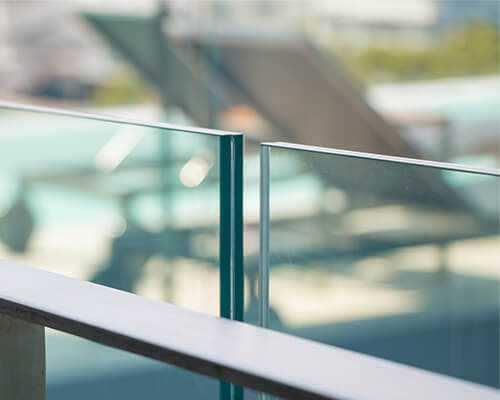
- Balustrades and balcony enclosures, to provide fall protection
Testing and Certification Standards
Laminated glass undergoes strict testing to ensure its safety features. Tests like impact resistance, penetration, and shatterability assess its performance. Certified laminated glass meets international standards, such as the American National Standards Institute (ANSI) Z97.1 and the European EN 14449, indicating it is up to safety requirements.
Benefits of Installing Laminated Glass for Safety
Choosing laminated glass offers many benefits beyond safety. It improves energy efficiency by reducing heat transfer, enhances security, and adds aesthetic appeal to buildings. Its durability means lower maintenance costs over time, making it a cost-effective safety choice.
Laminated glass provides a reliable safety barrier against impacts, breakage, and environmental hazards. Its unique construction ensures that even when shattered, it stays intact, reducing risks of injury and intrusion. For homes, commercial spaces, and vehicles, laminated glass offers peace of mind by enhancing safety and security in everyday life.
Laminated Glass vs. Tempered Glass
Frequently Asked Questions
How does laminated glass prevent injuries during breakage?
Laminated glass holds together when it breaks, thanks to its interlayer that binds the shards. This reduces the risk of sharp fragments flying into the environment, significantly lowering the chance of cuts and injuries for people nearby.
In what ways does laminated glass enhance security against forced entry?
Laminated glass is more difficult to break through compared to regular glass. Its durable layers resist shattering, making it a reliable barrier that deters intruders and provides added security for homes and businesses.
Why is laminated glass more effective at sound insulation?
The multiple layers in laminated glass absorb and dampen sound waves, creating a barrier that blocks out external noise. This results in quieter indoor spaces and a more peaceful environment.
How does laminated glass contribute to protection from UV rays?
Laminated glass’s interlayer filters out a significant portion of harmful ultraviolet rays, shielding interior furnishings and occupants from potential damage and reducing fading of fabrics and artwork inside the building.
Can laminated glass withstand extreme weather conditions better than regular glass?
Yes, laminated glass is designed to endure harsh environmental forces such as wind, hail, and impact from debris. Its layered structure helps it maintain integrity during severe weather events, offering reliable protection.
Final Thoughts
Laminated glass offers enhanced safety because it holds shattered pieces together, reducing injury risk. Its design prevents dangerous shards from scattering, making it ideal for homes and vehicles. The inner layer absorbs impact, providing extra strength and durability.
Choosing laminated glass ensures better protection during accidents or break-ins. Its ability to stay intact under stress makes it a reliable safety feature.
In conclusion, why laminated glass is safer lies in its resilience and ability to contain fragments, safeguarding occupants and passersby effectively.

Similar Posts