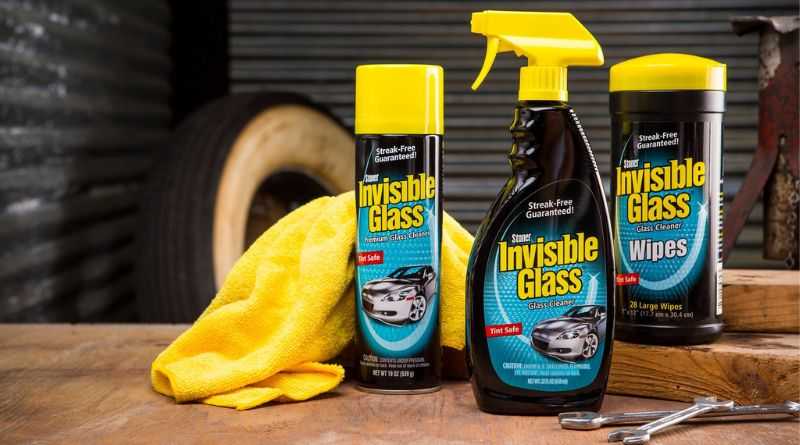
To restore the clarity of old auto glass, start by thoroughly cleaning the surface, then use a suitable glass polish and a soft cloth or buffer to gently buff out scratches and cloudiness. For stubborn marks, applying a specialized polishing compound and gradually working through finer polishing steps will give your windshield a fresh, shiny look. Regular maintenance with proper cleaning and polishing can significantly extend the life of your auto glass, improving visibility and safety on the road.
If your auto glass has become cloudy or scratched over time, polishing it can bring back its clarity. First, clean the glass to remove dirt and debris. Then, use a glass polishing compound combined with a buffer or a soft cloth to gently buff away imperfections. Finishing with a glass sealant can help protect the surface from future damage. This simple process can make a big difference in restoring the appearance and visibility of your vehicle’s windows.
Driving with old, scratched, or cloudy auto glass not only diminishes the look of your vehicle but also jeopardizes your safety by reducing visibility. Over time, dirt, mineral deposits, and scratches accumulate, making the glass dull and difficult to see through. Fortunately, polishing your auto glass is an easy and cost-effective way to rejuvenate its clarity. With just a few tools and some patience, you can restore your windows to a smooth, transparent state, enhancing both your vehicle’s appearance and your safety on the road.

How to Polish Old Auto Glass
Polishing old auto glass can greatly improve your vehicle’s appearance and safety. Over time, auto glass can become scratched, cloudy, or stained, making it hard to see clearly while driving. Fortunately, with the right tools and techniques, you can restore your car’s windows and make them look like new.
Understanding Why Auto Glass Becomes Dull and Scratched
Auto glass faces daily exposure to elements like sunlight, rain, and dirt. These factors can cause the surface to develop scratches and become hazy. Small particles and debris often settle on the glass, creating micro-scratches that cloud the visibility. Recognizing these issues helps you choose the right polish and method for restoration.
Gathering the Necessary Supplies
Before starting, gather all the tools and materials needed for effective polishing. Here’s a list of essentials:
- Glass polish or abrasive compound: Specially formulated for auto glass or clear plastics.
- Polishing pads or pads: Foam or microfiber pads work well for even application.
- Electric drill or rotary tool: Provides consistent agitation during polishing.
- Sandpaper: Fine grit (around 800 to 1500 grit) for initial leveling.
- Clean cloths or microfiber towels: For wiping and buffing glass surfaces.
- Water and spray bottles: To keep the surface moist and aid in polishing.
- Masking tape: To cover areas you don’t want to polish.
Preparing the Auto Glass for Polishing
Proper preparation ensures the polishing process runs smoothly. Begin by cleaning the glass thoroughly with soap and water to remove dirt and grime. Use a clean cloth to wipe off all debris.
Next, mask off areas around the glass with masking tape to prevent accidental damage to adjacent paint or trim. This step helps you focus solely on the glass surface and keeps the surrounding areas protected.
Initial Cleaning and Deep Inspection
After cleaning, inspect the glass closely to identify scratches, etching, or cloudiness. Use a flashlight to check for deeper scratches or stubborn stains. Deep scratches may require alternative repair methods, but shallow ones can often be polished out.
Step-by-Step Guide to Polishing Old Auto Glass
Step 1: Sanding for Severe Scratches
If your glass has deep scratches or rough patches, start with light sanding. Use fine grit sandpaper (around 800 grit) and spray water on the surface to lubricate. Gently sand the scratched area in a circular motion.
Keep the surface wet during sanding to avoid creating further scratches. Sand until the scratches appear less pronounced and the surface feels smooth. Remember, patience is key—don’t rush this initial step.
Step 2: Applying the Polishing Compound
Apply a small amount of glass polish or abrasive compound to a polishing pad or microfiber cloth. Use an electric drill or rotary tool on low to medium speed. Work the compound into the glass surface using circular motions.
Press lightly and maintain even pressure across the entire area. Keep the surface moist by spraying water occasionally. This prevents overheating and ensures smooth polishing.
Step 3: Buffing and Removing Residue
After polishing, use a clean microfiber towel to wipe away any residue. Check the clarity of the glass and decide if additional polishing is necessary. For more stubborn areas, repeat the polishing process.
Buff the surface until the glass appears clear and free of streaks. This step often requires patience and multiple rounds for the best results.
Advanced Techniques for Restoring Old Glass
Using a Glass Polishing Kit
Consider investing in a glass polishing kit, which includes specialized pads, compounds, and sometimes a polishing machine. These kits provide a professional-grade finish and can handle more severe restorations.
Addressing Etching and Minor Damage
Glass etching caused by mineral deposits or acid rain can be polished out using specific compounds designed for that purpose. Follow the manufacturer’s instructions carefully for best results.
Dealing with Persistent Cloudiness or Stains
If cloudiness remains after polishing, it may be due to underlying damage or contamination. Use a cleaner specifically formulated for auto glass to remove residues. For persistent issues, replacing the glass might be the best option.
Tips for Achieving a High-Quality Finish
- Work in a shaded area: Direct sunlight can cause the polish to dry too quickly, decreasing effectiveness.
- Maintain even pressure: Avoid pressing too hard, which can create additional scratches.
- Use appropriate pads and compounds: Different surfaces may require different abrasives; consult product instructions.
- Regularly clean tools: Keep polishing pads and cloths free of debris to avoid scratching the glass further.
Safety Precautions When Polishing Auto Glass
Always wear safety glasses and gloves to protect your eyes and skin from dust and chemicals. Work in a well-ventilated space to avoid inhaling fine particles or fumes from polishing compounds. Keep children and pets away from the work area for safety reasons.
Final Tips for Long-Lasting Results
After polishing, consider applying a protective coating or sealant designed for auto glass. This creates a barrier against future dirt and mineral deposits. Regular cleaning with gentle glass cleaners will prolong the shine and clarity.
Remember, patience and careful work lead to the best restoration results. Polishing old auto glass not only improves appearance but also enhances visibility for safer driving.
Polishing vintage glass the easy way, removes stains and paint quick
Frequently Asked Questions
What steps should I take to remove scratches from old auto glass?
To remove scratches, start by cleaning the glass thoroughly to eliminate dirt and debris. Use a glass polishing compound designed for auto glass, applying it with a microfiber cloth in circular motions. For deeper scratches, lightly sand the area with a fine-grit abrasive pad before polishing. Continue polishing until the scratches diminish, then clean the surface with a clean cloth. Repeat the process if necessary to achieve a clearer view.
Which materials are most effective for polishing aged auto glass?
Use a high-quality auto glass polish formulated to handle oxidation and surface imperfections. A fine abrasive paste or polishing compound with cerium oxide works well for restoring clarity. Soft microfiber cloths or polishing pads ensure even application and prevent additional scratches. In some cases, a glass polishing kit that includes different abrasives and pads can make the process more efficient.
How can I prevent further damage to old auto glass during polishing?
To avoid causing additional damage, always clean the glass thoroughly to remove dirt and loose particles before polishing. Use gentle, circular motions and avoid applying excessive pressure. Select appropriate polishing products designed for older glass surfaces and follow the manufacturer’s instructions carefully. Test a small, inconspicuous area first to ensure the product doesn’t cause unwanted haze or damage.
Are there tips for maintaining auto glass after polishing it?
Regularly clean your auto glass with a quality glass cleaner to prevent dirt buildup. Apply a protective glass sealant after polishing to create a barrier against future oxidation and dirt. Avoid using harsh chemicals or abrasive cleaning tools that could scratch or deteriorate the surface again. Park in shaded areas when possible to reduce exposure to UV rays that can accelerate aging.
Final Thoughts
To polish old auto glass, start by cleaning the surface thoroughly with a glass cleaner to remove dirt and grime. Next, apply a glass polish or a mixture of baking soda and water to gently buff out scratches and oxidation. Use a soft cloth or buffing pad to work in circular motions, ensuring even coverage.
Finish by rinsing the glass with clean water and drying with a microfiber cloth for a clear, polished finish. Understanding how to polish old auto glass helps improve visibility and extends the life of your vehicle’s windows.

- What Size Windshield Crack Can Be Repaired? - August 4, 2026
- How Long Glass Coatings Last, and Why Yours Stopped - August 4, 2026
- Windshield Repair vs. Replacement: When You Can Fix It and When You Can’t - July 12, 2026