How To Polish Old Car Glass For A Clear Finish

Quick answer: Use a glass polish or a paste made of baking soda and water, then buff with a microfiber cloth to restore clarity and shine. For stubborn scratches, consider a glass polishing kit or professional help.
If you’re tired of looking through foggy, dull old car glass, don’t worry—you can bring back its sparkle with a few simple steps. Polishing your car’s glass not only improves visibility but also enhances the overall appearance of your vehicle. Whether the glass is just cloudy from everyday grime or has minor scratches, there are effective methods to make it look almost new again. The process is straightforward, affordable, and can be done at home with the right supplies. So, grab some polish, a soft cloth, and a bit of patience, and let’s get that old glass gleaming like it’s fresh from the showroom.

How to Polish Old Car Glass: A Complete Guide
Understanding Why Old Car Glass Becomes Dull and Scratched
Old car glass can lose its shine over time due to exposure to environmental elements. Sunlight, dirt, and debris cause the surface to become cloudy or develop scratches. Recognizing the causes helps in choosing the right polishing method to restore clarity. Usually, scratches are minor surface damage, while cloudiness can be from mineral deposits or oxidation.
Gathering the Right Tools and Supplies
Before starting, make sure you have all necessary items. These include a glass polish or a polishing compound specifically made for car glass. You will also need a microfiber cloth, a soft sponge, a drill with a polishing pad (optional), and protective gloves. Having the correct tools ensures a safe and effective polishing process.
Preparing the Car Glass for Polishing
Start by cleaning the glass thoroughly. Use a mixture of water and mild soap to remove dirt and grime. Wipe the surface with a clean microfiber cloth to prevent scratching during polishing. Dry the glass completely before proceeding to avoid water spots.
Choosing the Right Polishing Products
Select a polishing compound suited for old or scratched glass. Some products are designed to remove scratches and restore transparency. Read labels carefully to ensure compatibility with automotive glass. For minor scratches, a less abrasive polish will suffice, while deeper scratches may require a stronger compound.
Step-by-Step Process for Polishing Old Car Glass
1. Apply the Polishing Compound
Put a small amount of polish on a clean microfiber cloth or polishing pad. Spread evenly over the area to be polished. Work in small sections to ensure consistent coverage.
2. Use Gentle, Circular Motions
Rub the polish into the glass using light pressure in circular motions. This helps lift dirt and scratches from the surface. Continue until the polish starts to dry or the scratches become less noticeable.
3. Buff the Surface
Use a clean microfiber cloth to buff the glass. This removes excess polish and brings out clarity. Make sure to wipe in a circular motion and apply light pressure.
4. Repeat if Necessary
For heavily scratched or cloudy glass, repeat the process multiple times. Allow the polish to sit for a few minutes between applications to maximize results. Avoid over-polishing, which can damage the glass.
Special Techniques for Deep Scratches
Deep scratches might require specific techniques. For instance, using a fine abrasive pad can help reduce the appearance of deep marks. Always test on a small area first to prevent further damage. If scratches are severe, consider professional repair.
Protecting the Glass After Polishing
Once the glass looks clear and shiny, apply a glass sealant or wax to protect against future damage. These products create a barrier against dirt, UV rays, and water spots. Regular cleaning and sealing help maintain the clarity longer.
Additional Tips for Maintaining Old Car Glass
- Clean your glass regularly to prevent dirt buildup.
- Avoid using abrasive cleaners that can scratch the surface.
- Park in shaded areas whenever possible to reduce oxidation from sunlight.
- Inspect your glass periodically for new scratches or cloudiness.
Common Mistakes to Avoid
- Using harsh chemicals not designed for automotive glass.
- Applying too much pressure during polishing, which can cause more scratches.
- Failing to clean the glass thoroughly before polishing.
- Ignoring safety precautions such as wearing gloves and eye protection.
Tips for Achieving the Best Results
– Work in a shaded area to prevent the polish from drying too quickly.
– Use a clean, soft cloth to avoid introducing new scratches.
– Take your time to work in small sections for even results.
– Consider professional help for severe scratches or significant cloudiness.
Additional Methods for Restoring Old Car Glass
Aside from polishing, other methods include applying a glass restorative solution or seeking professional glass repair services. These options are suitable for extensive damage that cannot be fixed with standard polishing. Combining methods can achieve optimal clarity.
Maintenance After Polishing
After restoring your glass, maintain its clarity by cleaning it regularly with automotive glass cleaner. Avoid using rough scrubbers or household cleaners that can scratch the surface. Regular care prolongs the lifespan of your polished old glass.
Benefits of Properly Polished Car Glass
Polished glass improves visibility, which enhances driving safety. It also gives your vehicle a cleaner, well-maintained appearance. Additionally, well-maintained glass resists future scratches and deterioration better.
Summary of Key Points
- Proper cleaning before polishing is essential for good results.
- Select the right polishing product for your glass condition.
- Work carefully with gentle motions to prevent additional damage.
- Repeat the process if necessary, but avoid over-polishing.
- Protect the glass with sealants or wax after polishing.
- Regular maintenance prevents future cloudiness and scratches.
Additional Resources and Tips
Consider watching tutorial videos to see the polishing process in action. Many auto parts stores offer polishing kits designed specifically for car glass, which simplify the process. Always follow product instructions and safety guidelines for best results.
This detailed approach ensures your old car glass regains clarity and remains in good condition for many miles ahead. Proper care and patience make all the difference when restoring aged glass, creating safer and more attractive vehicles.
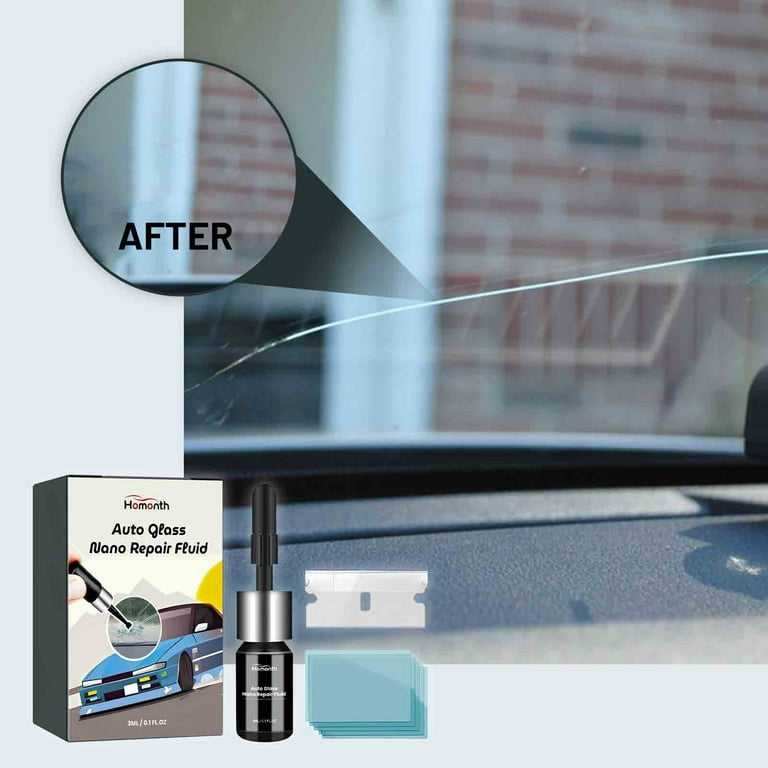
Deep Cleaning and Polishing to Restore an Old Windshield
Frequently Asked Questions
What are the best methods to remove scratches from old car glass?
To remove scratches from old car glass, start by cleaning the surface thoroughly to eliminate dirt and debris. Use a glass polishing compound designed for automotive use and apply it with a microfiber cloth, rubbing gently in circular motions. For deeper scratches, consider using a fine abrasive polish or consult a professional for specialized repair services. Regular polishing can minimize the appearance of scratches and restore clarity over time.
How can I improve the clarity of foggy or stained car windows?
To enhance foggy or stained windows, clean the glass with a mixture of water and vinegar or a specialized glass cleaner. For stubborn stains or mineral deposits, use a razor blade or a glass scraper carefully to remove buildup, ensuring not to scratch the surface. Following cleaning, apply a glass polishing compound to restore transparency and add a protective coating to prevent future fogging or staining.
What supplies do I need to polish old car glass effectively?
Gather essential items such as a high-quality glass cleaner, polishing compounds suitable for automotive glass, microfiber cloths, a soft sponge, and optionally, a glass polishing pad or buffer. For more stubborn blemishes, you might also need fine abrasive pads or a professional-grade glass repair kit. Proper preparation and use of the right tools help achieve a clearer and smoother finish.
Are there particular techniques that ensure safe polishing of car glass without causing damage?
Yes, applying gentle pressure and using circular motions help prevent damage during polishing. Always start with a clean, dry surface and test the polish on a small, inconspicuous area first. Avoid using harsh abrasives or excessive force, which can scratch or weaken the glass. Additionally, using a soft cloth or polishing pad minimizes the risk of scratching and ensures an even finish.
How often should I polish my car’s glass to maintain its clarity?
Regular maintenance, such as cleaning the glass weekly with a quality cleaner and inspecting for scratches or stains, helps maintain clarity. Light polishing can be done every few months, especially if the vehicle is exposed to harsh weather conditions or frequent pollution. More intensive polishing should generally be reserved for when signs of cloudiness or scratches become noticeable, preventing long-term damage.

Similar Posts