How To Test Laminated Glass Strength Effectively
To test laminated glass strength effectively, perform a combination of non-destructive methods such as visual inspections, ultrasonic testing, and mechanical load tests to assess its integrity. Starting with simple visual checks, then using ultrasonic devices to detect internal flaws, and finally applying controlled stress tests will give a comprehensive understanding of its durability.
In short, testing laminated glass involves inspecting its surface for visible damage, using ultrasonic equipment to identify internal weaknesses, and conducting load tests to see how well it withstands pressure. These steps ensure the glass meets safety standards and performs reliably in real-world conditions.
When it comes to ensuring the safety and durability of laminated glass, thorough testing is essential. Laminated glass is widely used in windows, facades, and skylights because of its safety features, but its strength can vary based on manufacturing processes, materials used, and environmental conditions. To determine if laminated glass is up to standard, a series of tests can be performed. These include visual inspections to spot surface damage, ultrasonic testing to detect hidden flaws, and mechanical tests that simulate real-world stressors. Conducting these assessments helps identify potential weaknesses early, preventing accidents and ensuring longevity. Whether you’re a manufacturer, installer, or building owner, understanding how to evaluate laminated glass strength is key to maintaining safety and compliance standards.

How to Test Laminated Glass Strength
Understanding Laminated Glass and Its Significance
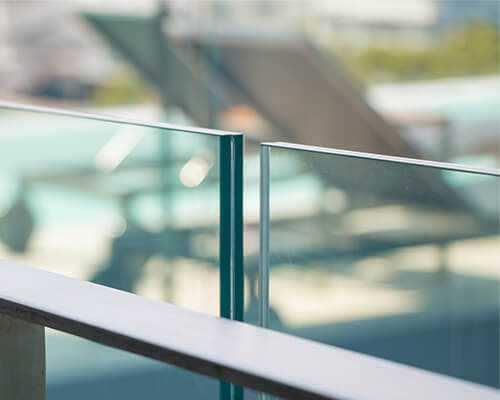
Laminated glass is made by bonding two or more layers of glass with a special plastic interlayer, usually polyvinyl butyral (PVB). This design enhances safety since the glass holds together even when shattered. Testing its strength ensures safety, durability, and compliance with building standards.
The Importance of Testing Laminated Glass
Testing laminated glass helps confirm its ability to withstand various forces like impact, stress, and environmental conditions. Facilities such as construction sites, automotive industries, and glass manufacturers rely on these tests to verify product quality. Proper testing reduces the risk of failure, preventing accidents and costly repairs.
Common Methods to Test Laminated Glass Strength
There are several testing methods used to evaluate laminated glass strength, each suited for different applications. The most prevalent include static load testing, impact testing, and durability assessments. Understanding each approach helps select the right method based on specific needs.
Static Load Testing
Static load testing involves applying a slow, controlled force on the glass until it fails or reaches a predetermined threshold. This test measures the maximum load the laminated glass can endure without breaking. It’s particularly useful for assessing structural applications like windows or facades.
Procedure for Static Load Testing
- Prepare a sample cut to standard size and conditioning as per relevant standards.
- Place the glass on a support frame that evenly distributes the load.
- Gradually apply force using a hydraulic press or mechanical testing machine.
- Monitor pressure levels and observe the point of failure or maximum load capacity.
- Record the results, including load at breakage and deflection levels.
Key Factors in Static Load Testing
- Load distribution should be uniform to avoid stress concentrations.
- Test speed must be consistent, following industry standards.
- Environmental conditions like temperature should be controlled for accurate results.
Impact Testing for Laminated Glass
Impact testing simulates real-world scenarios where glass might be struck by objects such as balls, hail, or debris. It evaluates how well the laminated glass resists sudden force and if it maintains integrity after impact.
Types of Impact Tests
- Swinging Pendulum Test – uses a weighted pendulum to strike the glass at specified points.
- Free-Falling Object Test – drops a steel ball or similar object onto the glass surface from a set height.
Conducting an Impact Test
- Secure the sample in a test frame to prevent movement during impact.
- Choose the appropriate impactor weight and dropping height based on standards.
- Perform multiple impacts at different points to assess overall resilience.
- Observe and record any cracks, breaks, or loss of adhesion.
- Determine if the glass meets safety criteria based on damage or retention of fragments.
Durability and Environmental Testing
Laminated glass must also withstand environmental factors such as UV radiation, temperature fluctuations, and moisture. Durability tests verify long-term performance and resistance.
UV Resistance Testing
This involves exposing samples to ultraviolet light for a specified period and evaluating any discoloration or loss of adhesion. UV resistance ensures that the interlayer and glass remain intact over time.
Temperature Cycling Tests
Samples are subjected to repeated heating and cooling cycles to simulate weather changes. This helps identify potential delamination or stress cracks that could develop over years.
Humidity and Water Resistance Tests
Laminated glass is exposed to high humidity or water spray in controlled environments. The goal is to confirm that the interlayer remains bonded and does not swell or degrade.
Standards and Regulations for Testing Laminated Glass
Different regions and industries follow specific standards to ensure consistent testing. Common standards include the American ASTM, European EN standards, and international ISO guidelines.
Key Standards to Follow
- ASTM C1048 – Glass in Building – Impact and Load Testing
- EN 14449 – Laminated Glass – Impact Resistance and Strength Testing
- ISO 12543 – Glass in Building, for impact and safety testing
Interpreting Test Results and Ensuring Compliance
Data collected from tests must be carefully analyzed to determine if the laminated glass meets safety and quality standards. Factors such as maximum load capacity, impact resistance, and adhesion strength are critical.
Critical Metrics to Evaluate
- Breaking load – the maximum force the glass can handle before failure.
- Impact threshold – the energy level the glass can absorb without breaking.
- Delamination point – the force or environmental condition causing separation of layers.
Adjusting Manufacturing Processes Based on Test Outcomes
If tests reveal weaknesses, manufacturers can modify laminate compositions, thickness, or bonding techniques. Continuous testing ensures the product consistently meets safety standards.
Additional Testing Techniques for Laminated Glass
Beyond the standard methods, advanced testing includes acoustic emission monitoring, thermal stress analysis, and non-destructive evaluation methods.
Acoustic Emission Monitoring
This technique detects stress buildup within the glass by listening to sound waves during loading or environmental changes. It helps predict failure points before actual breakage occurs.
Non-Destructive Evaluation (NDE)
Methods like ultrasonic testing or infrared thermography allow inspection of internal bonds and layer integrity without damaging the sample. NDE is valuable for quality control in manufacturing.
Summary: Best Practices in Testing Laminated Glass Strength
For accurate results, testing should be performed following recognized standards, with proper sample preparation, controlled environmental conditions, and precise data recording. Combining different testing methods offers comprehensive insights into glass performance.
Choosing the Right Testing Method
Consider the application, typical load conditions, and safety requirements when selecting tests. Impact tests are crucial for safety-critical areas, while static load testing suits structural applications.
Ensuring Reliable Results
Repeated tests, proper calibration of equipment, and consistent procedures help achieve dependable data. Regular testing throughout manufacturing ensures ongoing quality and compliance.
Related Topics in Laminated Glass Testing
Additional relevant discussions include the role of polyvinyl butyral layers, advances in testing technology, and innovations in laminated glass materials. Understanding these helps maintain high safety standards and improve product performance.
By thoroughly understanding and implementing these testing techniques, manufacturers and safety professionals can confidently assess the strength of laminated glass. Ensuring the glass meets all safety and durability standards helps protect lives and investments.
Laminated glass Breakage #shorts #glass #laminatedglass

Similar Posts