Is It Dangerous To Drive With A Cracked Windshield
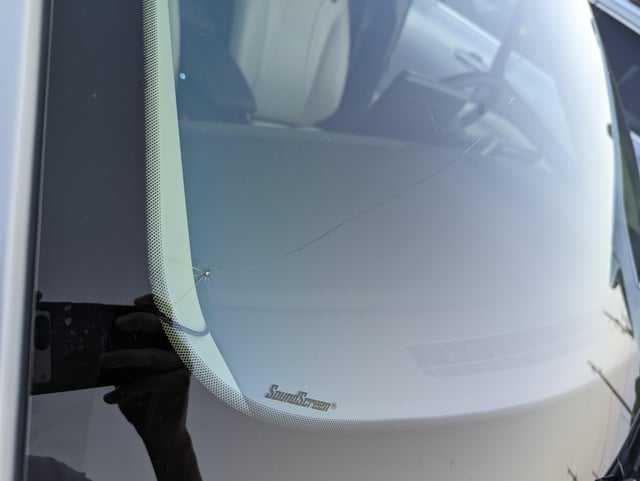
Driving with a cracked windshield is risky and can compromise your safety on the road. A crack can obstruct your view, weaken the structural integrity of your vehicle, and cause the glass to shatter unexpectedly. It’s not just about the look; it’s about preventing accidents and ensuring your safety and that of your passengers.
In short, driving with a cracked windshield is dangerous and should be addressed promptly. Small cracks might seem minor, but they can quickly worsen and affect driving safety. Repairing or replacing the windshield is essential to maintain vehicle strength and visibility. Ignoring a crack can lead to costly damages and dangerous driving conditions, so it’s best to take action as soon as possible.
If you notice a crack in your windshield, don’t delay—knowing its severity and acting quickly can save lives and avoid significant expenses down the line. The windshield plays a crucial role in your vehicle’s safety system, and keeping it intact should always be a priority.

Is It Dangerous to Drive with a Cracked Windshield?
Understanding the Nature of Cracks in Windshields
Cracks in windshields can vary in size, shape, and location. Some cracks are minor, while others can compromise the integrity of the glass. The type of crack impacts how dangerous it is to drive with the damage present. Common crack types include chips, bulls-eyes, stress cracks, and star-shaped fractures. Recognizing the type helps you assess the potential risks involved.
The Risks of Driving with a Cracked Windshield
Driving with a cracked windshield can pose several hazards. Cracks can obstruct your view, making it harder to see clearly on the road. They also weaken the glass, increasing the risk of shattering during a collision or sudden impact. The damage can spread over time, worsening the safety concern with each mile driven.
How Cracks Impact Vehicle Safety
A windshield is a vital safety feature of your car. It provides structural support, especially during rollovers. When cracked, this support diminishes, raising the likelihood of the glass breaking apart upon impact. Cracks may also interfere with the proper deployment of airbags, which rely on a clear windshield to function effectively.
Legal Considerations and Vehicle Regulations
Many regions have laws regarding the condition of windshields. Driving with a crack that obstructs your view or exceeds a certain size can lead to fines or citations. Insurance companies may also refuse coverage for damages if the crack was not repaired promptly. Always check local laws before continuing to drive with damage.
Size and Location of the Crack Matter
The danger level depends heavily on the crack’s size and location. Cracks smaller than a dollar bill are often considered less dangerous but still need attention. Cracks across the driver’s line of sight pose a higher risk since they directly block vision. Similarly, cracks near the edges of the windshield tend to spread faster and can compromise the entire barrier.
Small Chips and Minor Cracks
Small chips are often seen as less dangerous but can grow larger over time. They usually do not impair visibility significantly but remain vulnerable to expansion. Repairing these early can prevent the crack from worsening and keep driving safe.
Large Cracks and Impact Damage
Cracks larger than a dollar bill or spanning across the glass are more dangerous. Such cracks can weaken the entire windshield structure, increasing the chance of failure during an accident. They often require replacement rather than repair for safety reasons.
Environmental Factors and Their Effect on Cracks
Weather plays a significant role in crack progression. Extreme temperatures can cause the glass to expand or contract, making cracks larger. Sun exposure can weaken the glass over time, especially if the crack is exposed to UV rays. Cold weather causes the glass to become brittle, increasing the risk of further cracking.
Driving at Different Speeds with a Crack
Speed influences how safe it is to drive with a cracked windshield. At lower speeds, the risk of further damage and visibility issues is reduced. High speeds can cause vibrations that make cracks expand and spread more quickly. Rapid acceleration or braking also increases stress on compromised glass.
Symptoms That Indicate a Dangerous Crack
Certain signs suggest that a crack has become a safety concern. If the crack begins to grow, or if you notice the glass becoming opaque or distorted, it’s time to act. Cracks that cause distracting reflections or glare are especially problematic during night driving.
When to Replace or Repair Your Windshield
Repair is suitable for small cracks and chips that do not obstruct your view. If the crack is larger than a dollar bill or is in the driver’s line of sight, replacement is safer. Be proactive—delaying repairs can lead to higher costs and increased danger.
How Repair and Replacement Affect Safety
Properly repairing small cracks restores the integrity of the windshield, making it safe for driving. However, poorly done repairs can leave weak spots or cause further damage. Replacement ensures your vehicle’s safety features work correctly, especially in severe damage cases.
Importance of Professional Assessment
Always seek professional advice when unsure about crack severity. Experts can evaluate the damage and recommend repair or replacement. Attempting DIY fixes with unsafe materials can be dangerous and ineffective.
Preventive Measures and Driving Tips
Avoid following large vehicles that kick up debris, which can cause new cracks. Keep a safe distance from obstacles and avoid rough roads. Use sunshades to minimize temperature fluctuations that worsen cracks. Regular inspections can catch damage early before it becomes dangerous.
Benefits of Prompt Repair and Replacement
Timely repairs prevent cracks from spreading and keep your vehicle safe. Repairing cracks preserves the original glass and maintains your vehicle’s value. Replacement guarantees the structural safety of the windshield, especially in severe damage cases.
Related Topics to Consider
- How to choose a reliable windshield repair service
- Comparing windshield repair vs. replacement costs
- Understanding insurance coverage for windshield damage
- Safety features affected by windshield damage
How to Fix a Windshield Crack in Your Car (Do Glass Repair Kits Work?)
Frequently Asked Questions
How can a cracked windshield affect my visibility while driving?
A cracked windshield can distort your view of the road, making it harder to see clearly. Depending on the position and size of the crack, it can create glare or reflections, which can distract you and increase the risk of accidents. Maintaining good visibility is essential for safe driving, so addressing cracks promptly helps ensure safe navigation.
Can a damaged windshield compromise the structural integrity of my vehicle?
Yes, a cracked windshield weakens the overall structure of your vehicle. In the event of a collision or sudden impact, the crack could expand and cause the windshield to shatter unexpectedly. This reduction in structural strength can increase the risk of injury and reduce the effectiveness of safety features like airbags.
Is it legal to drive with a cracked windshield in my area?
Many regions have laws that prohibit driving with significant windshield damage. Authorities often require the windshield to be free of cracks that impair your view or pose safety hazards. Driving with a cracked windshield could lead to fines or citations, so it’s advisable to get repairs or replacements as soon as possible.
What risks do small cracks or chips present over time?
Small cracks or chips might seem minor initially, but they can quickly expand due to temperature changes, vibrations, or further impacts. Over time, these small damages can compromise your windshield’s strength, making it more susceptible to shattering and increasing safety risks during driving or an accident.
Would driving with a cracked windshield affect my insurance coverage?
Driving with a cracked windshield may influence your insurance claims, especially if the damage worsens and causes an accident. Some insurance policies require repairs before they cover further damage. It’s wise to consult your policy details and consider repairing or replacing the windshield promptly to avoid potential coverage issues.
Final Thoughts
Driving with a cracked windshield can compromise safety and visibility. The crack may worsen over time, increasing the risk of glass shattering during an accident.
It’s best to address a crack promptly to prevent further damage.
is it dangerous to drive with a cracked windshield? Yes, it can be dangerous, especially if the crack obstructs your view or spreads. Prioritize safety by repairing or replacing your windshield as soon as possible.

Similar Posts