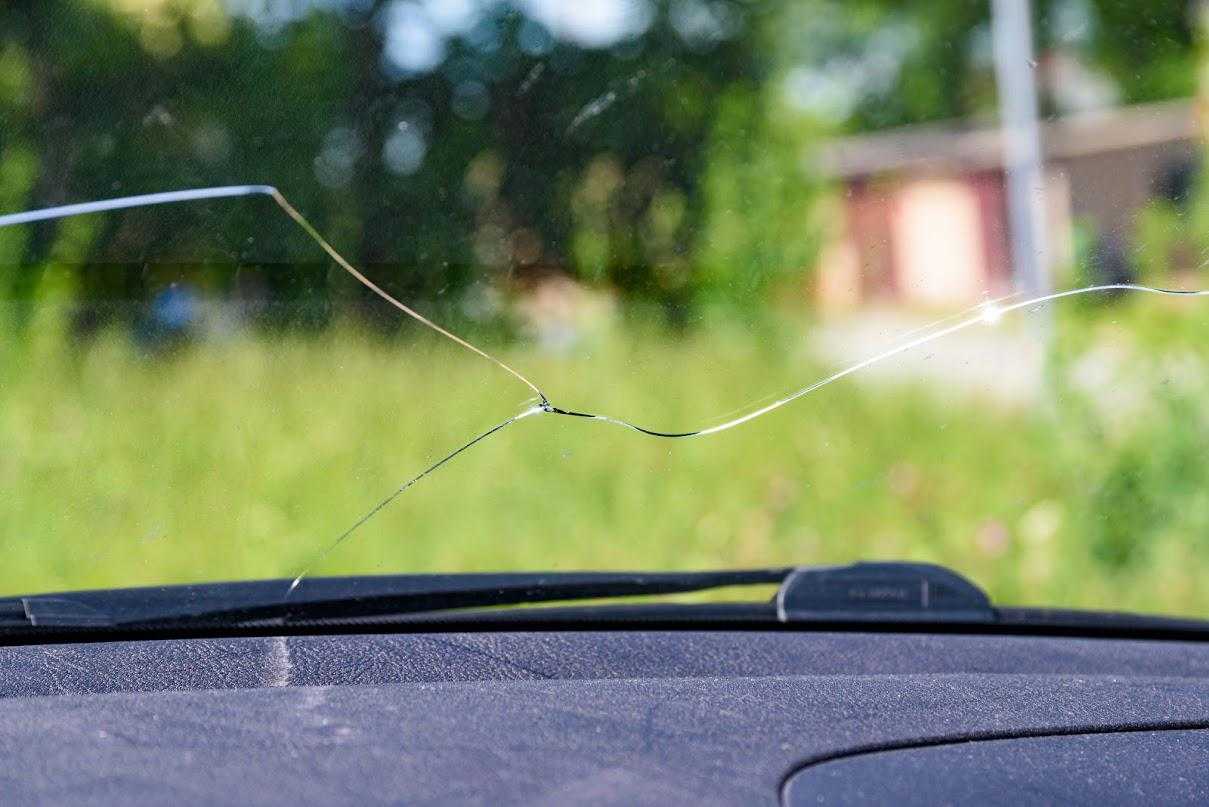
A crack on your windshield can seem harmless at first, but it often grows quickly, turning into a bigger problem. The main reason is that temperature changes, driving conditions, and vibrations cause the crack to spread over time. Moisture and debris can also weaken the glass, making it more prone to expansion.
In short, cracks in your windshield get bigger mainly because of environmental factors like swings in temperature and physical stress from driving. If left unaddressed, this can compromise your safety and lead to costly repairs. Understanding why your crack worsens helps you decide whether to repair or replace your windshield before it’s too late. By acting promptly, you can prevent the crack from spreading further and ensure your vehicle remains safe on the road.

Why Is the Crack on My Windshield Getting Bigger?
Understanding How Windshield Cracks Spread
Cracks in your windshield don’t stay the same size. Over time, they tend to grow larger and can become more dangerous. This happens because the crack acts like a weak spot in the glass. When affected by external factors, the damage can quickly worsen.
Cracks expand because of internal stresses within the glass. When your car experiences sudden temperature changes or vibrations, these stresses cause the crack to grow. The glass tries to adjust, but the crack spreads as a result. Knowing how and why cracks grow can help you prevent further damage.
Factors that Cause Cracks to Grow
Several factors influence the size of a crack. Recognizing these can help you take prompt action. The main ones are temperature fluctuations, driving conditions, and the type of crack.
Temperature Changes
Rapid shifts between hot and cold weather are major contributors. When it’s hot outside, the glass expands. If you park in the shade or at night, the glass cools down quickly and contracts. This constant expansion and contraction cause the crack to widen.
Vibrations and Road Conditions
Bumps, potholes, and rough roads make your car vibrate. These vibrations put stress on the cracked area, making it spread. High-speed driving also increases vibrations, which escalate the crack’s growth rate.
Type of Crack
Different cracks grow at different speeds. For example, star-shaped cracks or cracks with multiple branches tend to expand faster. Large cracks with sharp edges are more vulnerable to spreading than tiny, smooth ones.
How External Factors Accelerate Crack Growth
External factors like weather and car maintenance play a role. Damage from debris or improper repairs can weaken the glass further, leading to faster crack expansion.
Impact and Debris
Hitting debris on the road or stones kicked up by other vehicles can suddenly make the crack bigger. The extra force causes the crack to spread rapidly, especially if the glass is already compromised.
Improper Repairs
Using unprofessional repair methods or delaying repairs can make cracks worse. Poor sealing or filling can create weak points, allowing the crack to grow more easily over time.
Why Temperature Fluctuations Are Key
Temperature plays a significant role in crack growth. Fast changes create stress in the glass, especially at the edges of the crack. The glass expands in heat, but the crack prevents it from shrinking evenly when it cools. This uneven shrinkage causes the crack to stretch further.
Heat and Cold Cycles
Driving from a cold environment into a hot sun or vice versa causes stress. The rapid temperature swing exerts pressure on the crack, making it grow.
Sun Exposure
Constant sun exposure heats the glass unevenly. This uneven heating can cause the crack to enlarge over days or weeks. Parking in shaded areas can slow the growth process.
Impact of Driving Habits on Crack Size
Driving style affects how fast a crack grows. Aggressive driving, frequent bumpy rides, or high speeds put additional stress on the cracked windshield.
High-Speed Driving
Driving fast increases vibrations and pressure on the glass. This pressure encourages the crack to widen and deepen.
Frequent Sudden Stops and Acceleration
Stops and quick starts create jarring motions. These sudden movements put stress on existing cracks, making them expand faster.
Road Conditions and Off-Road Driving
Off-road or poorly maintained roads cause more vibrations. These vibrations accelerate crack growth significantly.
The Role of Moisture and Humidity
Humidity and moisture levels influence crack expansion by affecting the glass’s internal stress. Water can seep into tiny fissures, weakening the structure.
Water Penetration
When moisture enters the crack, it can lead to further weakening of the glass. Over time, this causes cracks to spread more rapidly, especially in rainy or humid environments.
Temperature and Moisture Interaction
High humidity combined with temperature swings can cause the glass to weaken and promote crack growth due to material expansion and contraction.
Impact of Sunlight and Ultraviolet Rays
UV rays from sunlight not only damage your car’s interior but can also affect the windshield. Extended sun exposure makes the glass more brittle and vulnerable to cracks.
UV-Induced Stress
Ultraviolet rays break down the chemical bonds in the glass, making it more susceptible to cracking and expansion over time.
Protection Tips
Parking in shaded spots or using UV-protective film can slow down crack growth caused by sunlight.
Managing and Preventing Crack Growth
Prevention is key to keeping your windshield intact. Regular inspections and timely repairs help slow down or stop cracks from expanding.
Timely Repairs
Consult a professional at the first sign of damage. Small cracks can often be fixed easily before they grow larger.
Using Windshield Protectants
Applying special coatings or films can reduce the impact of temperature changes and UV rays on your windshield.
Safe Driving Practices
Avoid hitting potholes or debris and drive cautiously over rough terrains. Maintain a moderate speed to reduce vibrations and stress on your windshield.
When to Seek Professional Help
If the crack is growing rapidly or reaching a significant size, it’s time to seek expert advice. Cracks larger than a dollar bill or those in the driver’s line of sight require urgent attention.
Signs That Indicate Immediate Action
- The crack is spreading quickly over days.
- Multiple cracks are forming.
- The crack affects your view while driving.
- Pieces of glass are falling or chipping away.
Choosing Repair or Replacement
Professionals can advise whether a simple repair suffices or if the entire windshield needs replacing. Sometimes, small cracks become dangerous, and replacement is the safest choice.
Understanding why the crack on your windshield is getting bigger involves recognizing the roles of temperature, road conditions, external impacts, and driving habits. Regular maintenance and prompt repairs are essential. Taking care of your windshield not only extends its life but also ensures your safety while on the road. By staying vigilant and acting quickly, you can minimize damage and avoid costly replacements in the future.
How to Repair a Windshield Chip or Crack
Frequently Asked Questions
What factors contribute to the expansion of windshield cracks over time?
Several factors cause cracks to grow on a windshield. Temperature fluctuations cause materials to expand and contract, stressing the crack edges. Driving on bumpy or uneven roads applies additional stress, which can widen cracks. Exposure to moisture and debris can weaken the glass, making existing cracks more prone to spreading. Additionally, sudden impacts or minor vibrations can accelerate the crack’s growth.
How does weather influence the progression of a windshield crack?
Weather plays a significant role in crack expansion. Cold temperatures make glass more brittle, increasing the chance of cracks growing when subjected to stress. Conversely, hot weather causes the glass to expand, which can also enlarge the cracks. Rapid temperature changes, such as pouring hot water on a cold windshield, can cause the glass to expand or contract unevenly, leading to crack expansion.
Can the size of debris hitting the windshield affect crack growth?
Yes, debris like stones or gravel can impact the crack area, causing it to widen further. Even small debris that strikes the cracked area with force adds stress to the glass, making the existing crack more susceptible to expansion. Repeated impacts or debris hitting near the crack can significantly accelerate its growth.
Why do some cracks enlarge faster after certain types of impacts?
Impacting the windshield with a hard object transfers force directly to the crack, especially if the force hits near the crack edges. This additional stress causes the crack to propagate more quickly. The angle and speed of impact also influence how rapidly the crack expands, with sharper or more forceful impacts contributing to faster growth.
How does driving style affect the development of windshield cracks?
Aggressive driving, including quick accelerations, sudden stops, or sharp turns, increases vibrations and stress on the windshield. Such movements can cause small existing cracks to spread further, especially when combined with other factors like road conditions or temperature changes. Maintaining smooth driving habits helps reduce unnecessary stress on the glass and slow crack progression.
Final Thoughts
A crack on your windshield can grow larger due to temperature fluctuations, which cause the glass to expand and contract. Driving on rough roads or sudden stops also increases stress on the crack. Moisture and debris can enter the crack, making it expand further over time.
Understanding why is the crack on my windshield getting bigger helps you take prompt action. Addressing small cracks early prevents costly repairs and maintains your safety. Acting quickly ensures your windshield remains intact and clear.

- What Size Windshield Crack Can Be Repaired? - August 4, 2026
- How Long Glass Coatings Last, and Why Yours Stopped - August 4, 2026
- Windshield Repair vs. Replacement: When You Can Fix It and When You Can’t - July 12, 2026