Can Side Glass Cause Wind Noise Tips To Reduce It
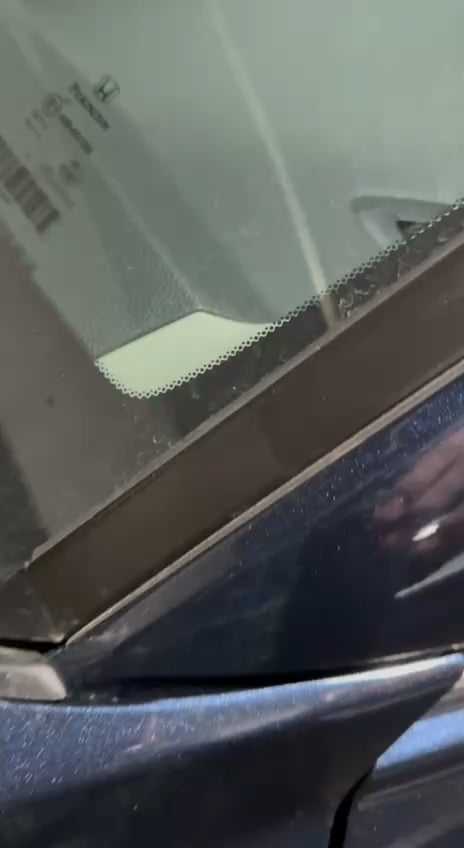
Yes, side glass can cause wind noise if it’s not properly fitted or if there are gaps. When the side windows don’t seal correctly or have damaged weather stripping, they can let in drafts that generate wind noise while driving. Ensuring your side glass is properly installed and sealed can significantly reduce this issue.
Wind noise from side glass can be a common annoyance for drivers, especially at higher speeds. It often occurs when windows are improperly sealed or if there’s damage to the window seals or weather stripping. Such gaps allow air to flow into the vehicle interior, creating that persistent whooshing sound. Sometimes, even minor cracks or misaligned windows can contribute to increased wind noise. Fortunately, identifying the cause and ensuring a tight seal can often resolve the problem, restoring peace and quiet during your drive. If you’re tired of the constant roar of wind against your side windows, it might be time to inspect and possibly replace worn seals or realign your windows.

Can Side Glass Cause Wind Noise? An In-Depth Look
Understanding Wind Noise in Vehicles
Wind noise is a common issue many drivers notice while traveling at higher speeds. It often feels like a constant whistling or whooshing sound that can make driving uncomfortable. Several factors contribute to wind noise, including vehicle design, seal quality, and the condition of the windows and side glass.
What Is Side Glass in a Vehicle?
The side glass refers to the windows on the sides of your car. These windows are made from tempered or laminated glass and are designed to provide visibility and protection. Properly installed and sealed side glass helps improve aerodynamics and reduce noise, but problems can sometimes occur.
Can Side Glass Cause Wind Noise? The Short Answer
Yes, improperly installed or damaged side glass can cause wind noise. If the glass isn’t sealed correctly, it allows air to pass through gaps, creating a whistling or buffeting sound. Even small misalignments or cracks can significantly increase wind noise levels.
How Does Side Glass Contribute to Wind Noise?
There are several ways that side glass can contribute to wind noise, especially when issues arise. These factors include gaps between the window and the seal, improper installation, or damage to the glass or frame.
Gaps and Poor Seals
When the seal around the side glass isn’t tight or has deteriorated over time, air can enter through the gaps. This airflow causes turbulence, which results in wind noise. Weather stripping or sealant deterioration is a common culprit.
Cracks or Damage to the Glass
Cracks or chips in the side glass can affect its ability to fit snugly within the frame. These damages can create small openings that allow air to pass through, contributing to wind noise. Additionally, broken or loose glass panels may rattle during driving.
Misaligned or Loose Glass
Incorrect installation or loosened side glass can lead to misalignment, which increases the chances of gaps forming. When the glass isn’t secured properly, even minor movements can cause wind to enter, creating noise.
Signs That Side Glass Is Causing Wind Noise
Knowing the signs helps you determine if your side glass is the source of wind noise. Some typical indicators include:
- Persistent whistling sounds at higher speeds
- Vibrations or rattling coming from the side windows
- Visible gaps or misalignment when inspecting the windows
- Increased noise during windy conditions or while driving at highway speeds
Impact of Wind Noise on Driving Comfort and Safety
Excess wind noise doesn’t just bother the driver; it can also impact safety. High levels of noise make it harder to hear important sounds like sirens or horns, potentially leading to unsafe situations. Comfort is also affected, making long drives less enjoyable.
How to Prevent Side Glass-Related Wind Noise
Prevention is key to avoiding wind noise caused by side glass. Regular inspection and maintenance can keep your vehicle quiet and comfortable.
Regular Inspection of Seals and Gaskets
Check weather stripping around the side glass periodically for cracks or deterioration. Replace worn seals promptly to maintain a tight fit.
Maintaining Proper Installation
Ensure that the side glass is installed correctly by qualified technicians. Improper installation can happen during repairs or replacements and should be addressed immediately.
Timely Repairs of Damaged Glass
Cracked or chipped glass should be repaired or replaced as soon as possible to prevent further issues and reduce wind noise.
What To Do if Side Glass Causes Wind Noise
If wind noise persists despite regular maintenance, consider professional assessment. An experienced auto technician can identify misalignments, seal problems, or damages and recommend suitable repairs.
Repair or Replace the Glass
Depending on the extent of damage or misalignment, repair or full replacement of the side glass may be necessary. Proper sealing and installation are vital for noise reduction.
Sealing and Weather Stripping Solutions
In some cases, adding or replacing weather stripping around the window frame can significantly reduce wind noise. This is a cost-effective way to improve comfort.
Other Factors That Contribute to Wind Noise
While side glass is a primary factor, other components can also cause wind noise, including:
- Roof racks or external accessories
- Open windows or improperly closed doors
- Aerodynamic features like spoilers or side mirrors
- Damaged or missing weather stripping around doors and windows
Related Topics: How Vehicle Design Affects Wind Noise
Vehicle shape and aerodynamic design play crucial roles in wind noise levels. Cars with streamlined shapes generally produce less noise than boxy or poorly aerodynamically optimized models.
Design Features That Minimize Wind Noise
- Smooth body contours
- Closely fitted windows and door seals
- Aerodynamic mirror and antenna design
Upgrades and Accessories to Reduce Wind Noise
Adding deflectors, noise-reducing window film, or upgraded seals can help minimize wind sounds. Properly installed accessories should be tested for wind noise reduction.
The side glass plays a significant role in the overall noise levels inside a vehicle. Problems like gaps, damage, or poor installation can cause or worsen wind noise, making driving uncomfortable. Regular maintenance, timely repairs, and professional installation are vital in keeping your vehicle quiet. Remember that addressing side glass issues not only boosts comfort but also enhances safety on the road.
How To Reduce Wind Noise In Car Or Truck To Quiet Your Ride DI #shorts Wind Noise Through Truck Door
Frequently Asked Questions
How does damaged side glass contribute to wind noise inside a vehicle?
Damaged side glass can create uneven surfaces or gaps that allow air to pass through more freely. These imperfections increase turbulence around the window, resulting in more wind noise inside the cabin. The compromised integrity of the glass disrupts the smooth airflow, making the noise more noticeable while driving.

Similar Posts