Laminated Glass Vs Tempered Glass: Key Differences And Uses
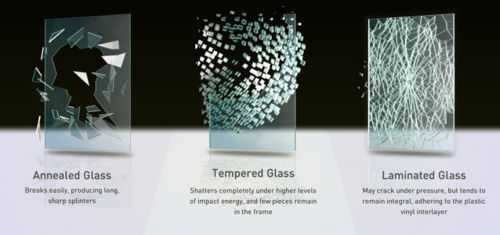
Laminated glass offers superior safety and sound insulation, while tempered glass is known for its strength and quick breakage into small, less dangerous pieces. For the best choice between the two, consider your specific needs—whether safety, durability, or aesthetics are your priorities. In short, laminated glass is ideal for safety and soundproofing, whereas tempered glass excels in durability and shatter resistance.
When deciding between laminated glass and tempered glass, it’s important to understand their unique properties and uses. Laminated glass consists of two or more glass layers bonded with a plastic interlayer, making it highly resistant to impact and preventing dangerous shards from flying when broken. Tempered glass, on the other hand, is heat-treated to increase its strength; when shattered, it breaks into tiny, less harmful pieces. Your choice depends on factors like safety requirements, structural needs, and design preferences. Both types have their advantages, so choosing the right one ensures your project remains both safe and visually appealing.

Laminated Glass vs Tempered Glass: Understanding the Differences
What Is Laminated Glass?
Laminated glass is made of two or more layers of glass bonded together with a special plastic interlayer, usually polyvinyl butyral (PVB). This construction makes the glass stay together even when it breaks, preventing dangerous shards from flying freely. It’s often used in windshields, skylights, and security windows because of its safety features.
How Is Tempered Glass Made?
Tempered glass is created by heating ordinary glass until it becomes soft, then rapidly cooling it with jets of cold air. This process, called tempering, makes the glass four to five times stronger than regular glass. When it breaks, tempered glass shatters into small, dull fragments instead of sharp shards, reducing injury risk.
Strength and Durability: Which Is More Robust?
Impact Resistance
- Laminated glass can withstand collisions without shattering, thanks to its plastic layer that holds the pieces together.
- Tempered glass breaks into small pieces upon impact, reducing injury but not preventing breakage entirely.
Thermal Resistance
Both glasses perform well under temperature changes, but tempered glass withstands sudden temperature shocks better. Laminated glass resists heat but may not tolerate rapid temperature shifts as efficiently.
Safety Features and Breakage Behavior
Safety in Different Settings
- Vehicles: Laminated glass is used for windshields for safety in case of accidents.
- Buildings: Tempered glass is common in bathroom doors and side panels where quick breakage may be desired for safety exits.
Visual Clarity and Appearance
Both types of glass offer excellent clarity, but their appearance can differ slightly. Laminated glass may have a slight tint or appearance of a plastic layer, while tempered glass tends to be very clear, resembling standard glass. The choice depends on aesthetic preference and specific application requirements.
Color Tints and Coatings
Laminated glass can be manufactured with tinted or coated layers for UV protection or glare reduction, offering a range of visual options. Tempered glass is usually clear but can also be tinted or coated if needed.
Applications and Suitability
The choice between laminated and tempered glass depends on where and how it will be used. Understanding the suitability for different applications helps in selecting the right type of glass for safety, aesthetics, and durability.
Common Uses of Laminated Glass
- Windshields in vehicles
- Skylights and glass facades
- Security windows and bulletproof glass
- Soundproof windows
Common Uses of Tempered Glass
- Bathroom doors and shower enclosures
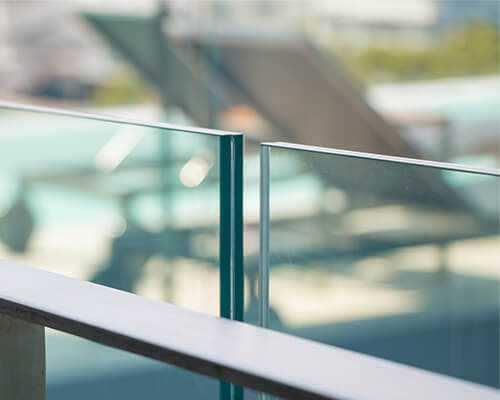
- Balcony railings and glass stairs
- Tabletops and shelving
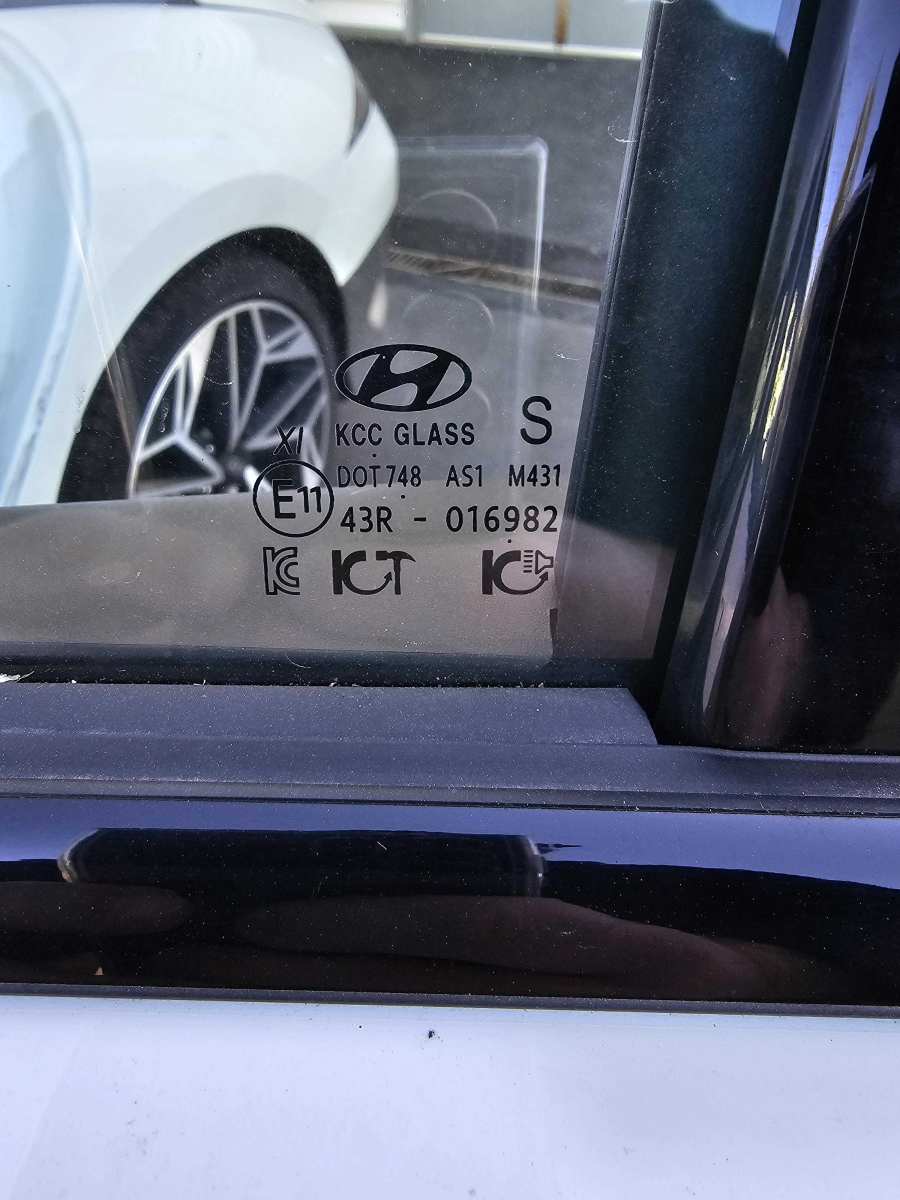
- Side and back windows in vehicles
Installation Considerations
Both types of glass require proper handling and installation for optimal safety and performance. Laminated glass’s weight and fragility mean it needs careful installation, especially in large panes. Tempered glass, being strong and easier to cut, can often be installed more quickly but demands precise measurements to prevent breakage.
Handling and Transportation
Handling laminated glass carefully is critical to avoid damage. Its plastic layer can be easily scratched if mishandled. Tempered glass needs to be transported with padding to prevent thermal shocks or impacts that could cause it to shatter.
Cost Implications
Generally, laminated glass tends to cost more than tempered glass because of its layered construction and safety features. However, the expense is often justified by its added safety benefits and diverse applications.
Environmental and Energy Benefits
Laminated glass can be manufactured with coatings to improve energy efficiency, reduce UV rays, and block heat transfer. Tempered glass also offers energy-saving options if coated with reflective or insulating layers. Both types contribute to building sustainability and comfort.
UV and Solar Control
Laminated glass can block up to 99% of UV rays, protecting interiors and furniture. Tempered glass can be coated for similar UV control, helping reduce cooling costs and protect furnishings.
Choosing Between Laminated and Tempered Glass
Making the right choice depends on safety needs, aesthetic preferences, impact resistance, and budget constraints. Carefully assessing the environment where the glass will be installed helps determine the best option.
Factors to Consider
- Safety requirements and impact resistance
- Design and visual preferences
- Thermal and UV protection needs
- Cost efficiency and budget
- Ease of installation and maintenance
Summary Table
| Feature | Laminated Glass | Tempered Glass |
|---|---|---|
| Impact Resistance | High, resists shattering | Good, shatters into small pieces |
| Breakage Behavior | Remains in one piece with plastic layer | Breaks into small dull fragments |
| Safety | Safer, prevents shards | Less dangerous upon breakage |
| Cost | Usually higher | Typically lower |
| Applications | Windshields, security glass | Showers, balustrades, interior panels |
Knowing the differences between laminated glass and tempered glass allows homeowners and builders to make informed decisions. Laminated glass offers superior safety with its layered design and impact resistance, making it ideal for high-risk areas. Tempered glass provides strength and quick breakage into safer fragments, perfect for applications requiring fast, easy replacement. Choosing the right type involves balancing safety, aesthetic preferences, budget, and the specific needs of each project.
Laminated Glass vs. Tempered Glass
Frequently Asked Questions
How does the safety feature of laminated glass compare to that of tempered glass?
Laminated glass has a plastic layer between two glass sheets, which holds the shards together if it breaks. This prevents dangerous shards from scattering, enhancing safety. Tempered glass, on the other hand, shatters into small, blunt pieces that are less likely to cause injury. While both improve safety, laminated glass offers a more reliable barrier in impact situations, making it well-suited for areas requiring increased security.
In what situations is tempered glass more suitable than laminated glass?
Tempered glass works best in environments where quick breakage and easy removal are necessary, such as in shower doors, car windows, or display cases. Its ability to shatter into small, less dangerous pieces reduces injury risk. Laminated glass tends to be better for applications where sound insulation, UV filtering, or added security are priorities, such as in storefronts or skylights.
How do maintenance and cleaning differ between laminated and tempered glass?
Cleaning laminated glass requires gentle care to avoid damaging the plastic interlayer, especially if dirt or debris get trapped. Using non-abrasive cleaners and soft cloths helps maintain clarity. Tempered glass is easier to clean because it has a smooth surface and does not have an interlayer. Both types should be cleaned regularly to preserve their appearance and functionality.
What are the cost differences between laminated and tempered glass?
Generally, laminated glass costs more due to its layered construction and additional manufacturing processes. Tempered glass tends to be less expensive and quicker to produce. The choice often depends on safety requirements, with laminated glass offering enhanced security features that can justify its higher price for certain projects.
Can laminated and tempered glasses be combined in the same installation?
Yes, combining both types of glass is common in certain applications where specific properties are needed. For example, a laminated glass panel can be used for safety and security, while tempered glass can be used for structural support or impact resistance. Professionals often design layered systems to maximize safety, durability, and functionality based on the project’s needs.
Final Thoughts
Laminated glass and tempered glass each serve unique purposes based on safety and strength. Laminated glass offers superior prevention of shattering, as it holds together when broken, making it ideal for security. Tempered glass, meanwhile, enhances strength while breaking into small, less dangerous pieces, perfect for windows and shower doors.

Similar Posts