How To Stop Laminated Glass Crack From Spreading Effectively
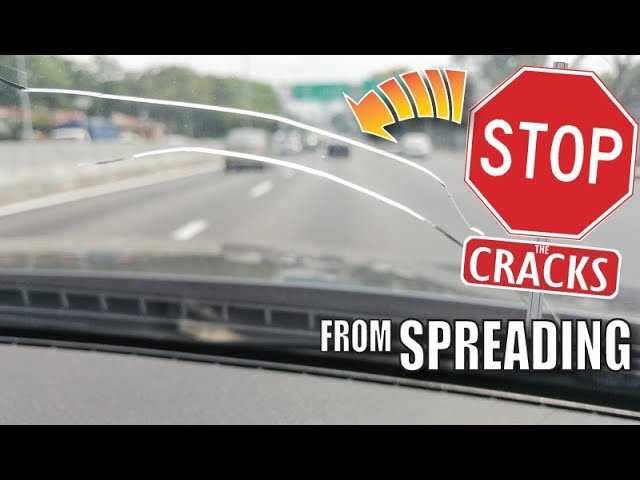
To prevent a crack in laminated glass from spreading, quickly apply clear nail polish or a specialized glass crack sealer along the break, and keep the area stable by avoiding stress or impact. For long-term protection, consider professional reinforcement or replacement to ensure safety and prevent further damage. Acting swiftly can stop the crack from worsening, saving you money and maintaining the integrity of your glass.
A cracked laminated glass can be a nerve-wracking sight, especially when it threatens to worsen over time. The key to halting its spread lies in immediate action—sealing the crack and reducing stress on the glass. Recognizing early signs and acting promptly can help preserve the glass’s strength and prevent costly repairs or replacements. With some simple DIY steps and a bit of caution, you can keep the crack from advancing until professional help can be sought if necessary. Remember, timely intervention is your best defense against a small crack turning into a big problem.

How to Stop Laminated Glass Crack from Spreading
Understanding Laminated Glass and Its Vulnerability to Cracks
Laminated glass is made of two or more layers of glass bonded together with an interlayer, usually made of polyvinyl butyral (PVB). This construction makes the glass safer and more durable compared to regular glass. However, when cracks develop, they can quickly spread if not properly managed. Recognizing how cracks start is key to preventing further damage. Often, impacts or stress cause cracks to form. Once a crack appears, it’s vital to act fast to halt its progression.
Why Cracks Spread in Laminated Glass
Cracks in laminated glass tend to spread due to several factors, including:
- Stress concentration around the crack tip
- Temperature fluctuations causing expansion and contraction
- Vibration or movement of the glass panel
- Additional impacts or minor damages
Understanding these causes helps in choosing the right preventative strategies. The key to stopping a crack from spreading is minimizing these stressors and stabilizing the damage as soon as possible.
Immediate Actions to Take When You Notice a Crack
If you spot a crack on your laminated glass, quick action is essential. First, avoid touching or applying pressure to the crack area, as this can make the damage worse. Then, follow these steps:
- Place a protective tape over the crack to keep debris out and prevent it from spreading
- Avoid opening or closing doors or windows near the cracked area to limit movement stress
- Schedule an appointment with a professional glazier for assessment and repair
This immediate response can help contain the crack and prevent it from worsening. Remember, the longer you delay, the higher the chance of the crack spreading.
How to Reinforce Laminated Glass to Prevent Crack Spreading
Reinforcing the glass involves adding protective layers or stabilizing the existing damage. Here are some effective reinforcement techniques:
Applying Epoxy or Glass Repair Kits
Use specialized epoxy resins designed for glass repairs. These products bond with the glass and the interlayer, helping prevent the crack from expanding. Clean the cracked area thoroughly before applying the epoxy, following manufacturer instructions carefully. This method is effective for small cracks and can be a temporary fix until professional repairs.
Using PVB Film or Laminated Panel Patches
Adding an extra layer of PVB film over the crack can provide additional support. These patches stabilize the cracked area and reduce stress concentrations. For larger cracks, replacing the damaged panel may be necessary, but for minor cracks, this method prolongs the lifespan of the glass.
Installing a Protective Film or Safety Covering
Mobile or permanent protective films can be applied to strengthen the glass surface. These films absorb impact energy and hold the crack in place. They also serve as a barrier against dirt and moisture, preventing further deterioration.
Control Environmental Factors That Accelerate Crack Spread
Environmental conditions play a big role in crack propagation. Managing these factors can significantly extend the life of laminated glass.
Temperature Regulation
Extreme heat or cold causes glass to expand or contract. Keeping the glass within a stable temperature range reduces stress. Use shades, curtains, or climate control systems to minimize temperature fluctuations.
Reducing Vibration and Mechanical Stress
Vibration from nearby machinery, traffic, or building movement can worsen cracks. Installing vibration dampers or isolators can absorb shock and prevent the crack from spreading further.
Limiting Mechanical Impact and Pressure
Avoid applying pressure near the cracked area, especially during cleaning or maintenance. Be cautious when opening or closing windows and doors. Additional weight or pressure from objects leaning could lead to further damage.
Professional Repair Options for Laminated Glass Cracks
When cracks are too large or extensive for DIY fixes, professional repair is necessary. Some options include:
Polishing and Resurfacing
In some cases, skilled technicians can polish the surface to make the crack less visible and prevent it from progressing. This treatment works best on minor cracks.
Replacing the Damaged Panel
For larger cracks or significant structural issues, replacing the entire glass panel is often the safest and most durable solution. Modern laminated glass can be custom-made for specific applications, ensuring a perfect fit.
Using Structural Adhesives and Sealants
Specialized adhesives can bond the crack edges to prevent further spread. Sealants also protect the internal layers from moisture, which can weaken the interlayer and contribute to crack growth.
Preventative Maintenance and Regular Inspections
Prevention is always better than repair. Regular inspections can catch small cracks early before they spread. Look for signs of stress, chips, or minor damage, especially after storms or impacts. Maintain the surrounding environment by controlling temperature and vibration sources. Regular cleaning with gentle tools and avoiding harsh chemicals also helps preserve the integrity of laminated glass.
Related Topics to Consider for Durability
- Choosing the right laminated glass for high-traffic or impact-prone areas
- Proper installation techniques to reduce initial stress on the glass
- Understanding the role of the interlayer in crack prevention
- Impact-resistant laminated glass options for enhanced safety
- Cost considerations between repair and replacement options
Summary of Key Strategies to Halt Crack Spreading
| Method | Best Use | Effectiveness |
|---|---|---|
| Protective tape and sealants | Small cracks, initial discovery | Temporary but effective |
| Epoxy repairs | Minor cracks, DIY repair | Moderate |
| Reinforcement films or patches | Cracks under observation, reinforcement | High |
| Professional replacement | Large or complex cracks | Highest |
| Environmental control | Prevention of crack spread | Long-term benefit |
Managing laminated glass cracks effectively involves a combination of immediate response, reinforcement, environmental management, and professional intervention when necessary. Being proactive and attentive is the best way to keep your laminated glass safe and intact for years to come.
STOP windshield CRACK from Spreading
Frequently Asked Questions
What immediate steps can I take to prevent a laminated glass crack from worsening?
If you notice a crack forming, avoid applying pressure or trying to fix it yourself. Cover the crack with clear tape to prevent dirt and moisture from entering, which can cause further damage. Keep the glass in a stable position and try to minimize any vibrations or impacts until you can arrange for professional repair or replacement.
How does applying resin help stop the crack from spreading in laminated glass?
Applying a specialized resin can help hold the crack together temporarily by filling the fissures. Resin application prevents the crack from expanding further due to external stresses and moisture intrusion. However, it remains a temporary solution, and professional assessment is necessary to determine whether to reinforce or replace the glass.

Similar Posts


















