Laminated Glass Vs Bulletproof Glass: Which Is Better For Security
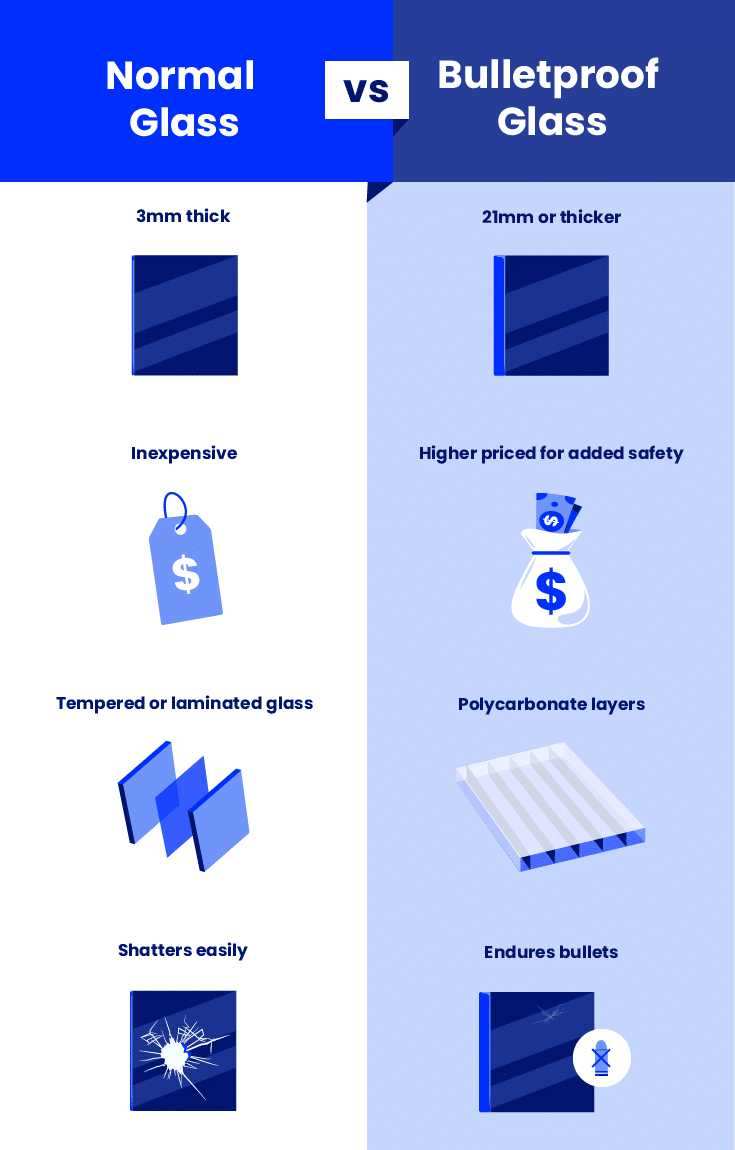
Laminated glass and bulletproof glass serve different security needs, but both aim to keep you safe and protected. If you’re wondering which is better for your specific situation, the quick answer is: laminated glass offers excellent impact resistance and shattering prevention, ideal for windows and car windshields, while bulletproof glass is designed to withstand firearm attacks, making it essential for high-security facilities.
In essence, laminated glass is great for everyday safety and impact protection, whereas bulletproof glass is specialized for defense against gunfire and extreme threats. Choosing between them depends on your level of security concern and specific application.
When considering security solutions, understanding the differences between laminated glass and bulletproof glass is crucial. Laminated glass, made by bonding layers of glass with a plastic interlayer, provides excellent resistance against impacts, such as accidents or vandalism. Bulletproof glass, on the other hand, incorporates multiple layers of laminated glass and polycarbonate or similar materials, designed specifically to stop bullets and other high-velocity projectiles. Both types of glass are vital in their respective contexts but cater to distinct security needs. Whether for protecting storefronts, vehicles, or high-security areas, knowing their differences ensures you choose the right protection for your safety.

Laminated Glass vs Bulletproof Glass: Understanding the Differences and Uses
What Is Laminated Glass?
Laminated glass is made by bonding two or more glass layers with a plastic interlayer, typically polyvinyl butyral (PVB). This design keeps the glass intact even when it cracks, preventing shards from falling and causing injury. It is commonly used in car windshields, skylights, and windows where safety and security are important.
What Is Bulletproof Glass?
Bulletproof glass, also known as ballistic glass, is engineered to resist bullets and explosive blasts. It combines multiple layers of glass and plastic, usually polycarbonate or PVB, to create a strong barrier. Bulletproof glass is often installed in banks, military vehicles, and secure facilities to protect people from extreme threats.
Key Differences Between Laminated and Bulletproof Glass
While both types of glass share some similarities, important differences set them apart. The main distinctions involve their thickness, strength, and intended use.
- Thickness: Bulletproof glass is typically thicker than standard laminated glass, often ranging from 1.25 inches to several inches.
- Protection Level: Laminated glass mainly provides safety against shattering, while bulletproof glass offers protection against firearms and high-impact threats.
- Cost: Bulletproof glass is generally more expensive due to its complex manufacturing process and thicker layers.
How Laminated Glass Works
Laminated glass holds together when broken, thanks to the plastic interlayer that absorbs impact energy. This feature makes it ideal for preventing injuries caused by glass shards during accidents or break-ins. Its ability to block UV rays and reduce noise is an added benefit in many applications.
Applications of Laminated Glass
- Car windshields for safety and UV protection
- Skylights and glass floors to prevent falling injuries
- Architectural windows that require safety features
- Soundproofing in offices and buildings
How Bulletproof Glass Works
Bulletproof glass works by dissipating the energy of bullets through multiple layers. Each layer absorbs part of the impact, preventing the projectile from penetrating completely. Its layered construction allows it to withstand different types of ammunition, depending on its protection level.
Protection Levels of Bulletproof Glass
Bulletproof glass is classified into different levels, often based on standards like the National Institute of Justice (NIJ).
- Level I: Protects against small-caliber handguns.
- Level II and III: Resist medium to high-caliber bullets.
- Level IV: Offers protection against armor-piercing rounds.
Material Composition and Construction
Both laminated and bulletproof glass include layers of glass and plastic, but their compositions differ. Laminated glass mainly uses PVB interlayers, while bulletproof glass often includes polycarbonate layers for added strength.
Layer Structures
- Laminated Glass: Typically features two glass layers bonded with PVB or other interlayers.
- Bulletproof Glass: Contains multiple layers, such as alternating glass and polycarbonate or PVB, to absorb more impact energy.
Advantages and Limitations
Understanding the pros and cons of each type of glass helps in selecting the right material.
Advantages of Laminated Glass
- Provides security against break-ins and accidents
- Offers UV protection and reduces noise pollution
- Less expensive than bulletproof glass
Limitations of Laminated Glass
- Not resistant to gunfire or high-impact threats
- Limited strength under extreme force
Advantages of Bulletproof Glass
- Highly resistant to gunfire and explosions
- Protects people in high-risk environments
- Can be customized for different threat levels
Limitations of Bulletproof Glass
- Very thick and heavy, affecting building design
- More expensive to produce and install
- Limited transparency compared to standard glass
Choosing the Right Glass for Your Needs
Selecting between laminated and bulletproof glass depends on security requirements, budget, and aesthetic preferences.
Factors to Consider
- Level of security needed: Basic safety or high-level ballistic protection?
- Location and application: Residential, commercial, or military use?
- Budget constraints: Cost differences can be significant.
- Design preferences: Thickness and transparency requirements.
Cost Comparison and Installation
While laminated glass is more affordable and easier to install, bulletproof glass requires specialized handling due to its weight and thickness.
Cost Factors
| Type of Glass | Average Cost per Square Foot | Installation Considerations |
|---|---|---|
| Laminated Glass | $40 to $80 | Standard installation, lighter weight |
| Bulletproof Glass | $100 to $600 or more | Requires reinforced structures, specialized installers |
Maintenance and Durability
Both laminated and bulletproof glasses are durable but require different upkeep.
Care Instructions
- Regular cleaning with non-abrasive solutions
- Avoiding impacts that could damage layers
- Periodic inspection for cracks or delamination
Additional Related Topics
Safety Glass and Its Role
Safety glass combines laminated glass with tempered glass for improved strength. It’s ideal in environments needing both safety and impact resistance.
Impact Resistance Standards
Understanding global standards like those set by the NIJ helps in assessing the protection level of bulletproof glass.
Innovations in Glass Technology
New materials and layered designs continue to improve the strength, weight, and transparency of both laminated and bulletproof glasses, broadening their application scope.
Environmental Considerations
Manufacturing and disposal processes impact the environment. Selecting eco-friendly options or recyclable materials can reduce ecological footprints.
Summary: Which Glass Is Better for You?
Choosing the ideal glass depends on balancing safety, cost, and application needs. Laminated glass offers safety and soundproofing at a lower price. Bulletproof glass provides guaranteed protection against firearms but involves higher costs and weight considerations.
Overall, understanding their differences helps make informed decisions to meet specific security and safety goals.
Bulletproof Laminated Polycarbonate Glazing Explained | TSS – Custom Bulletproof Systems
Frequently Asked Questions
How does the structural strength of laminated glass compare to that of bulletproof glass?
Laminated glass provides good resistance to impacts but is primarily designed to prevent shattering and limit penetration. Bulletproof glass, on the other hand, combines multiple layers of laminated glass with polycarbonate or other tough materials to withstand high-velocity projectiles. As a result, bulletproof glass offers significantly higher structural strength against ballistic threats than standard laminated glass.
In what situations should I choose laminated glass over bulletproof glass?
Choose laminated glass when your main concern is protection against accidental impacts, break-ins, or environmental elements like wind and debris. It is suitable for windows, skylights, and storefronts. Bulletproof glass suits high-security environments such as banks, military installations, or armored vehicles where protection from firearm attacks is critical.
What are the cost differences between laminated and bulletproof glass?
Laminated glass generally costs less than bulletproof glass because it involves fewer layers and less complex manufacturing. Bulletproof glass requires multiple layers of laminated materials and additional reinforcement, significantly increasing its cost. You should consider your security needs and budget when choosing between the two options.

Similar Posts


















