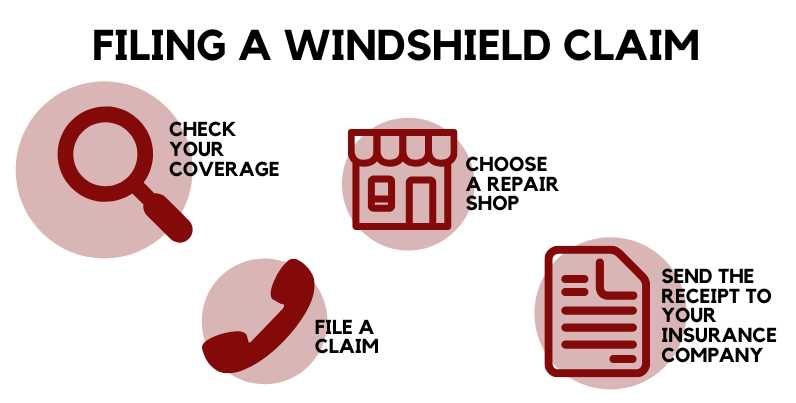
Dealing with insurance claims for windshield replacement can feel overwhelming, but it doesn’t have to be. The key is understanding your policy, documenting the damage, and communicating clearly with your insurer to ensure a smooth process. Acting promptly and providing all necessary information can save you time and money.
In short, start by reviewing your insurance coverage, then contact your provider to report the damage and get instructions. Gather evidence like photos, and work with approved repair shops if required. Following these steps can help you handle your claim efficiently and get back on the road without hassle.
If your windshield gets cracked or shattered, knowing exactly what steps to take can make all the difference. From filing the claim to scheduling repairs, handling the process with confidence ensures your vehicle is repaired quickly and your insurance benefits are maximized. The process may seem complicated, but with a clear plan and some preparation, you’ll be back driving safely in no time.

How to Handle Insurance Claims for Windshield Replacement
Understanding Your Insurance Policy
Knowing what your insurance policy covers is the first step in the process. Many policies include comprehensive coverage that handles windshield repairs or replacements. Review your policy documents carefully to find details about glass coverage, deductibles, and any restrictions.
It’s important to identify whether your policy covers only damage caused by specific events or if it includes all types of windshield issues. Contact your insurance provider if anything is unclear or if you need help interpreting your coverage.
Assessing the Damage
Before filing a claim, examine your windshield to determine the extent of the damage. Small chips and cracks may be fixable without full replacement. Larger cracks or shattered glass typically require full replacement.
Take clear photos of the damage from multiple angles. This visual evidence can support your claim and help insurance adjusters understand the situation better. Keep a record of any recent events, like accidents or debris hitting your windshield, that caused the damage.
Contacting Your Insurance Company
Get in touch with your insurance provider promptly once you notice damage. Call their claims department or use their online portal if available. Be ready to provide details like your policy number, the date of damage, and a description of what happened.
Ask about the process for filing a windshield claim. Find out if they have approved repair shops or if you can choose your own. Keep a record of all communications for future reference.
Choosing a Repair Shop or Replacement Service
Your insurance policy might list preferred repair shops, but you can often select a trusted local provider. Look for certified shops with good reviews and proper licensing.
Compare quotes from different shops to ensure you get a fair price. Confirm that they use high-quality, OEM (Original Equipment Manufacturer) or equivalent approved glass. Remember, some policies require using approved vendors for coverage.
Filing the Claim
Complete any claim forms provided by your insurer accurately. Include all necessary documentation such as photos, repair estimates, and proof of damage. Some companies allow online submission, making the process faster.
Follow up with your insurer if you don’t receive confirmation within a few days. Keep copies of all submitted documents for your records. Always ask about the timeline for claim approval and repair scheduling.
Understanding Deductibles and Coverage Limits
Your deductible is the amount you pay out of pocket before insurance covers the rest. For example, if your deductible is 500 dollars and repairs cost 1000 dollars, you pay 500 and insurance pays the remaining 500.
Check your policy for maximum coverage limits. Some policies cap the amount paid for windshield replacements. Be aware of these limits to avoid surprises during the process.
Inspecting Repairs and Follow-Up
After your windshield has been replaced, inspect the work thoroughly. Ensure it’s installed correctly, with no leaks, cracks, or defects. Test your windshield wipers and check for any unusual noises or vibrations.
Keep receipts and documentation of the repair for future reference. If you notice problems, contact your repair shop and insurance company promptly to address them.
Additional Tips for a Smooth Claims Process
- Act quickly: Filing early can prevent delays and ensure your windshield gets repaired or replaced promptly.
- Maintain records: Keep copies of all correspondence, photos, and receipts related to your claim.
- Stay organized: Create a folder or digital file with all claim-related documents for easy access.
- Be polite and persistent: Insurance claims can sometimes involve multiple steps or delays. Following up regularly can help keep things moving.
- Understand your rights: Know what coverage you’re entitled to and don’t hesitate to ask questions or seek clarification from your insurer.
Dealing with Denied Claims
If your claim gets denied, review the denial letter carefully to understand why. Common reasons include non-covered damage, policy exclusions, or incomplete documentation.
Appeal the decision if you believe it’s unfair. Provide additional evidence or documentation supporting your claim. You can also seek help from a consumer protection agency or consider legal advice if needed.
Leveraging Additional Coverage Options
Some insurance policies offer optional add-ons like glass coverage or zero-deductible policies. These can reduce out-of-pocket costs or eliminate deductibles altogether.
Review these options when renewing your policy to see if they are worth the extra premium. They can make future windshield repairs less stressful financially.
Safety and Preventive Measures
While insurance handles damage claims, preventing windshield damage is always better. Avoid following large trucks closely to reduce the risk of debris hitting your windshield.
Park your vehicle in shaded or garage areas to prevent sun-related stress cracks. Regularly inspect your windshield for small chips or cracks and get timely repairs before they worsen.
Related Topics for Further Reading
- How to prevent windshield damage
- Choosing the right windshield replacement shop
- Understanding different types of windshield glass
- What to do if your insurance claim is denied
- Maintaining your vehicle’s safety features after windshield replacement
Handling insurance claims for windshield replacement involves understanding your policy, assessing damage properly, communicating clearly with your provider, and choosing reputable repair services. Staying organized and proactive can make the process easier and ensure your vehicle is back to safe condition quickly.
Windshield Repair Through Insurance Companies | Step-By-Step
Frequently Asked Questions
What steps should I take immediately after noticing a chipped or cracked windshield?
As soon as you spot damage on your windshield, pull over safely and document the extent of the damage with photos. Contact your insurance provider to report the incident and confirm if repairs or replacement are covered. Schedule an appointment with a trusted auto glass specialist to assess the damage and determine the best course of action. Acting quickly helps prevent the damage from worsening and ensures your claim process stays smooth.
What documentation do I need to submit my insurance claim for windshield replacement?
Gather essential documents such as your insurance policy number, a detailed description of the damage, and photos of the windshield. Obtain a repair estimate or invoice from the auto glass technician. If the damage resulted from an accident, include police reports or incident reports if applicable. Providing comprehensive documentation speeds up the claim review and approval process.
How can I ensure my insurance claim for windshield replacement is processed smoothly?
Communicate clearly and promptly with your insurance company throughout the process. Follow their instructions for submitting documents and scheduling repairs. Keep copies of all correspondence, receipts, and repair estimates. Choosing an authorized or recommended repair shop can also facilitate a quicker claim resolution and ensure your claim aligns with policy requirements.
Final Thoughts
Handling insurance claims for windshield replacement involves understanding your policy and contacting your provider promptly. Gather necessary documents like photos of the damage and a repair estimate to support your claim. Communicate clearly with your insurer and follow their instructions carefully. Being proactive and organized ensures a smoother process and quicker resolution. Summarizing, how to handle insurance claims for windshield replacement requires timely action, proper documentation, and effective communication. Staying informed and prepared helps you navigate the claim process confidently and efficiently.

- What Size Windshield Crack Can Be Repaired? - August 4, 2026
- How Long Glass Coatings Last, and Why Yours Stopped - August 4, 2026
- Windshield Repair vs. Replacement: When You Can Fix It and When You Can’t - July 12, 2026