How To Choose The Right Replacement Windshield For Your Vehicle

To choose the right replacement windshield, prioritize matching the exact size, shape, and features of your original. Always opt for quality glass that meets safety standards and consider professional installation to ensure proper fit and durability. By focusing on these key factors, you’ll ensure your new windshield keeps you safe and compliant on the road.
When it comes to selecting a replacement windshield, it’s essential to pay attention to compatibility, quality, and the installation process. Your windshield isn’t just a barrier against the elements; it’s a critical component of your vehicle’s safety system. Picking the right one involves understanding the specifications of your car, choosing a high-quality, certified glass, and trusting experienced professionals for installation. Taking these steps ensures your new windshield will fit perfectly, provide clear visibility, and uphold safety standards. Don’t rush the process—doing your research now means peace of mind and protection every time you hit the road.

How to choose the right replacement windshield
Selecting the correct replacement windshield is essential for your safety and your vehicle’s performance. It’s not just about fitting a piece of glass; it involves choosing the right type, quality, and features that match your car’s needs. Making an informed decision can save you money and ensure your vehicle remains safe on the road.
Understanding the Different Types of Windshields
Windshields are made with various materials and features that serve specific purposes. Familiarizing yourself with these options helps you choose the best fit for your vehicle.
Original Equipment Manufacturer (OEM) Windshields
OEM windshields are made by the same company that supplied the original glass for your vehicle. They meet strict factory standards, ensuring perfect fit and performance. Choosing OEM means your windshield will look and function just like the one initially installed.
Aftermarket Windshields
These are produced by third-party manufacturers. They are generally less expensive but can vary in quality. When opting for an aftermarket windshield, check for reputable brands that meet industry safety standards.
Laminated Glass
This is the standard material for most windshields. It consists of two layers of glass fused with a plastic layer inside. Laminated glass prevents shattering upon impact, providing safety and protection.
Tempered Glass
Used mostly for side and rear windows, tempered glass is made to shatter into small, blunt pieces instead of sharp shards. For windshields, laminated glass remains the common choice due to its safety features.
Key Factors to Consider When Choosing a Replacement Windshield
There are several important aspects to evaluate before purchasing a new windshield.
Vehicle Compatibility
Ensure the windshield matches your vehicle’s make, model, and year exactly. An incompatible windshield can compromise safety and may not fit properly.
Safety Standards and Certifications
Always look for windshields that meet safety standards such as the Department of Transportation (DOT) certification. Certified windshields guarantee quality and safety.
UV Protection and Tinting Options
Some windshields come with UV protection that filters out harmful rays. Tinted windshields can reduce glare and improve comfort while driving.
Sensor and Camera Compatibility
If your vehicle has safety features like lane departure or rain sensors, ensure the replacement windshield is compatible with these systems. Some windshields are designed with embedded sensors or antennas.
Choosing the Right Material and Quality
The material quality impacts the durability, safety, and clarity of your windshield. Opt for glass that adheres to safety standards and offers longevity.
Assessing Material Thickness
Windshields typically range from 4.5 to 6 millimeters thick. Thicker glass generally offers better durability and safety.
Checking for Quality Indicators
Look for certifications, warranties, and reviews from reputable sources. High-quality windshields will often come with manufacturer warranties, indicating confidence in their durability.
Cost Considerations and Budgeting
Pricing can vary based on material, brand, and features. It’s important to balance cost with quality to ensure safety and longevity.
Estimating the Cost Range
Basic aftermarket windshields may cost between $100 to $300. OEM and features like sensors may raise the price to $500 or more.
Understanding What Terms Affect Price
Features such as rain sensors, embedded antennas, or tinted glass can add to the cost. Always compare what’s included in the price and check for hidden fees.
Installation and Professional Support
Proper installation is crucial for your safety. An improperly installed windshield can lead to leaks, wind noise, or even safety hazards.
Choosing a Certified Installer
Look for technicians certified by organizations like the National Glass Association. Certified installers ensure correct fitting and safety compliance.
Installation Process Overview
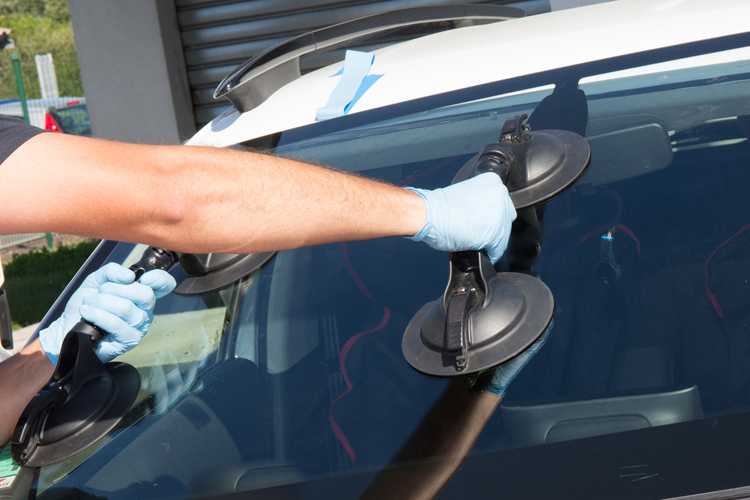
The process involves removal of the old windshield, cleaning the mounting area, applying adhesive, and fitting the new glass. Quality installation takes approximately one to two hours.
Warranty and Post-Installation Support
Choose providers that offer warranties on installation work. This provides peace of mind if issues arise after installation.
Additional Features and Upgrades to Consider
Some windshields have extra features that can enhance safety and comfort.

Similar Posts